

What is membrane push button? Custom membrane switch
What is membrane push button? Custom membrane switch


Membrane push button is a flat, low-profile switch made from multiple flexible layers that activate when pressed, completing an electrical circuit beneath the surface. Unlike traditional mechanical buttons, it offers a sleek design, excellent durability, and easy customization with graphics or LEDs. Common in medical devices, industrial panels, and consumer electronics, it provides a clean, sealed interface that resists dust and moisture while delivering reliable performance and long service life.

What is a membrane button?
Membrane button is a thin, flat switch used in many electronic devices. It works by using pressure to activate a circuit underneath a graphic layer. Unlike mechanical switches that have separate moving parts, a membrane button uses multiple flexible layers. These layers are designed to create a smooth, clean, and durable interface.
You can find these buttons in household appliances, industrial machines, and medical devices. They are common because they are compact, lightweight, and reliable.
How is a membrane push button constructed?
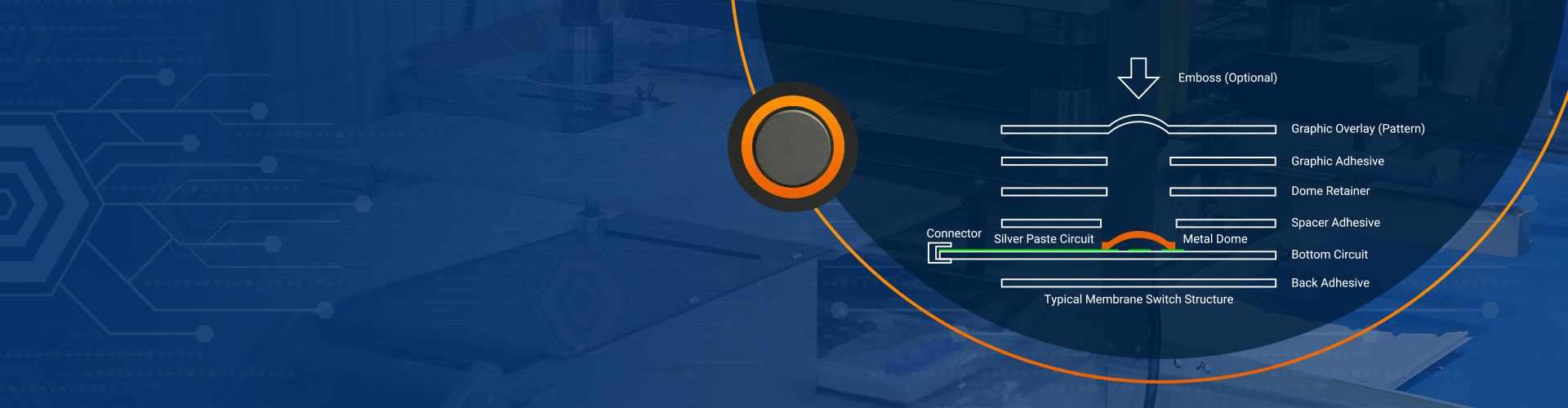
The construction of a membrane push button switch is simple but effective. It usually includes four or more layers:
- Graphic Overlay: This is the top surface that you see and touch. It carries the printed symbols, numbers, or icons. The material is often polyester or polycarbonate for durability.
- Spacer Layer: This layer keeps the graphic overlay separated from the circuit layer. It prevents accidental contact when the button is not pressed.
- Circuit Layer: This layer contains the electrical paths. It can be printed with conductive inks or made using flexible copper traces. When pressed, the top layer pushes down to complete the circuit.
- Adhesive Backing: This layer holds the switch firmly to the device surface.
In some designs, tactile domes are added under the graphic overlay. These domes create a noticeable snap or click when pressed. It gives the user clear feedback that the input was registered.
What is a membrane key switch?
A membrane key switch works like a membrane button but usually comes as part of a keypad. You can see them in devices like remote controls, medical instruments, and industrial control panels. Each key is a small switch built into the same structure. They are often arranged in rows and columns to form a matrix. This makes wiring and connections simpler.
The advantage of this design is that it’s space-saving and easy to seal. It protects the internal components from dirt, dust, and moisture. That’s why membrane key switches are used in demanding environments where reliability and cleanliness are essential.
How do button membranes work?
The working principle is simple. When you press the push button membrane, the top layer moves downward and touches the circuit layer. This action closes the circuit and sends a signal to the device. When you release it, the layers separate again, and the circuit opens.

If the switch includes a tactile dome, you will feel a click when pressing the button. This tactile feedback is useful for confirming the press without looking at the panel.
What are the advantages of a tactile membrane switch?
Tactile membrane switches have many benefits that make them the first choice for many applications:
- Durability: They can last for millions of cycles with no performance loss.
- Space Saving: They are thin and lightweight, ideal for compact designs.
- Sealed Surface: Most designs are sealed against water, dust, and other contaminants.
- Easy Maintenance: Cleaning is simple because the surface is smooth and flat.
- Customizable: You can add logos, colors, icons, and special coatings.
- Feedback: Tactile domes give a satisfying click when pressed.
Because of these features, they are widely used in industrial, medical, and consumer products. They improve user experience while keeping the design sleek and modern.
Can membrane switches be repaired?
In most cases, membrane switches are very reliable. However, if they fail, repair may be possible depending on the problem. If dirt or moisture causes the issue, cleaning can restore function. But if the circuit layer is damaged or the adhesive loses its grip, replacement is usually a better solution.

High-quality custom membrane switches are durable. They are designed to withstand harsh conditions and heavy use without frequent repairs. Proper installation and correct handling also increase their lifespan.
How to install a push button switch?
Installing a push button membrane switch is not complicated. Here is the basic process:
- Prepare the surface: It should be clean, smooth, and dry.
- Peel the adhesive backing: Most membrane switches come with adhesive layers.
- Position the switch: Align it carefully to the correct location.
- Apply pressure: Press down firmly to secure the bond.
For switches that include LEDs or complex circuits, you need to connect the tail to the control board. Make sure the connection is correct and stable. Always follow the manufacturer’s installation guide for best performance.
How do you integrate LEDs into a push button membrane switch?
Adding LEDs to a push button membrane switch makes it more functional and attractive. LEDs provide backlighting or status indicators. Integration usually involves these steps:
- Place LEDs on the circuit board: The LEDs are mounted under the graphic overlay.
- Create light windows: The overlay has clear or translucent spots for light to pass through.
- Connect circuits: Additional traces link the LEDs to the power supply.
LED integration improves visibility in dark environments. It also gives your interface a modern look. Many manufacturers choose this feature for custom membrane switches.
What is the difference between mechanical and membrane buttons?
Mechanical buttons and membrane buttons have different designs and uses:
- Mechanical buttons: They have separate moving parts for each button. They provide strong tactile feedback and are common in traditional keyboards. But they are bulky and harder to seal.
- Membrane buttons: They are thin, lightweight, and easier to protect from water and dust. They work well in environments where cleanliness is important.

If you need a slim design with a sealed surface, membrane buttons are the best choice. They combine reliability with a modern appearance.
Conclusion:
Membrane push button is a reliable, versatile, and cost-effective solution for modern electronics. It offers a clean design, long life, and many customization options. From medical equipment to industrial control panels, these switches meet the needs of many industries.
Do you need high-quality custom membrane switches for your next project? Contact us today at sales@best-membraneswitch.com

How Long Does Keyboard Last? Average Lifespan Guide
Understanding how long does keyboard last is not just about numbers—it’s about how design, usage habits, and environmental conditions come together over time. Whether you’re working with a membrane keyboard, a mechanical unit, or a custom membrane keyboard built for industrial use, lifespan varies widely based on real-world factors. How long do keyboards last? Most ...
Difference between Mechanical Keyboard and Membrane Keyboard
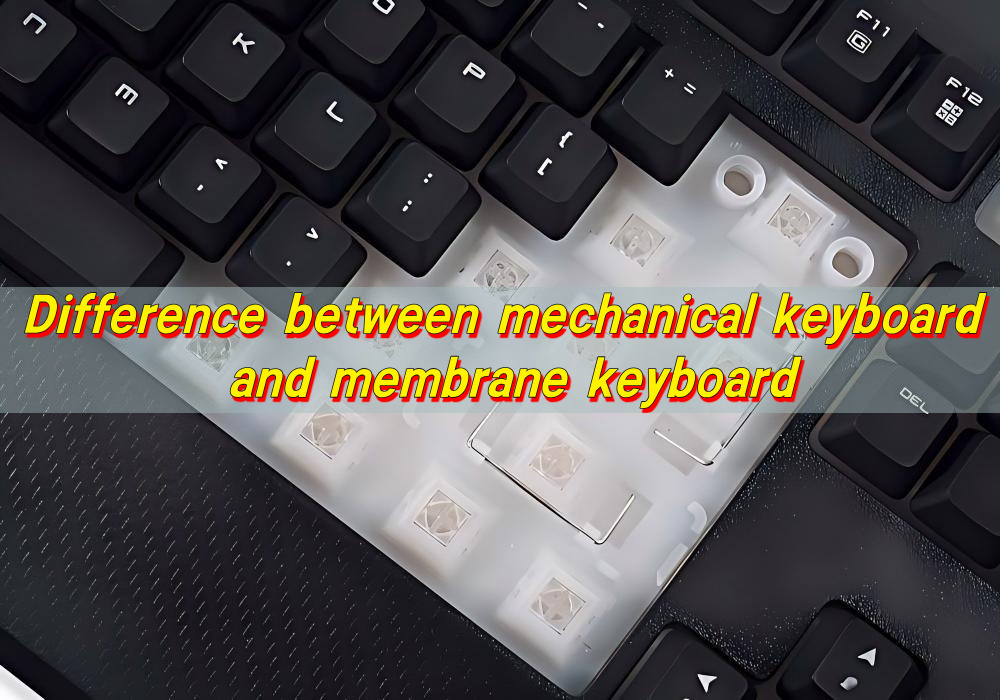
Choosing between different keyboard technologies is no longer a simple matter of preference. As user expectations continue to evolve—especially in gaming, office productivity, and industrial control systems—the underlying structure of a keyboard plays a decisive role in performance, longevity, and overall user satisfaction. Understanding the difference between mechanical keyboard and membrane keyboard allows buyers and ...
Top Advantages of Using an LGF Membrane Switch in Modern Electronics
Electronics have advanced rapidly over the years. The buttons and controls people use every day have also quietly advanced. Today, thin panel-based controls are replacing old, bulky buttons in almost every industry, and for good reason. Even Lighting Across Every Key Older backlit panels always had that annoying problem of bright spots near the light ...

Contact us online


