


How to Install LED Light Switch? Membrane Switch with LED
How to Install LED Light Switch? Membrane Switch with LED


Membrane switches with LED lighting have become a game-changer in modern interface design. They combine tactile responsiveness with vivid illumination, enhancing usability and aesthetics. Whether in industrial control panels, medical devices, or consumer electronics, integrating LED into membrane keypads improves functionality and user experience.
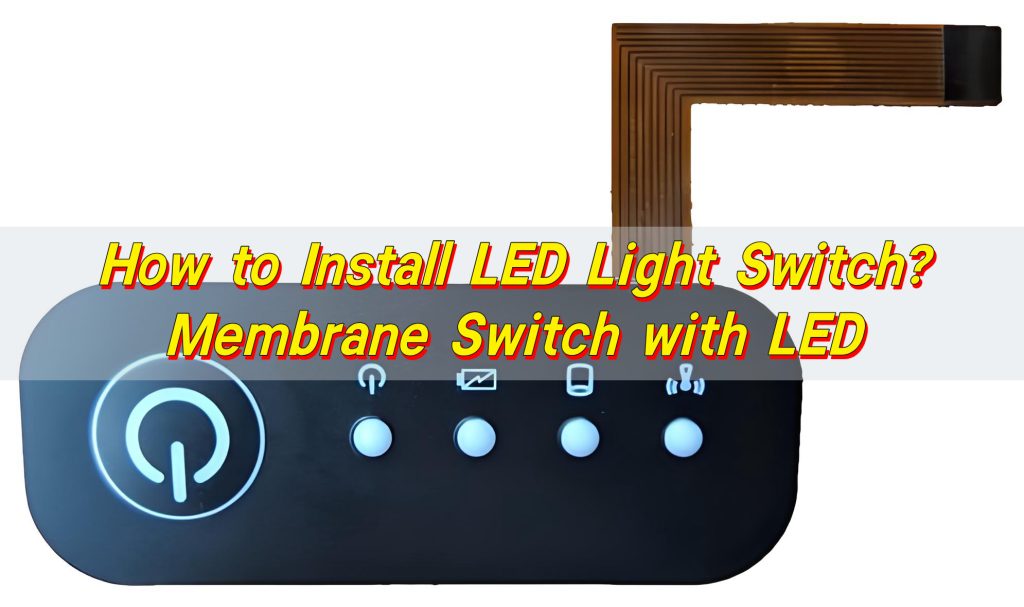
What Is a Membrane Switch with LED?
A membrane switch with LED is a type of interface that merges the classic membrane keypad structure with embedded light sources. At its core, a membrane switch consists of multiple thin layers. These typically include a graphic overlay, spacer, circuit layers, and sometimes, a backer. When pressure is applied, the circuit closes, sending a signal to the device.
Adding an LED enhances visibility and usability. It illuminates symbols, buttons, or even entire panels. In low-light conditions, this illumination is crucial for accuracy and comfort. LEDs can be embedded beneath or around buttons, offering both functional and aesthetic benefits.
Membrane switches are slim, durable, and highly customizable. By incorporating LED lighting, they not only signal function but also contribute to the visual identity of the product. They are widely used in settings ranging from medical equipment to kitchen appliances, ensuring intuitive control.
Why Use LED in Membrane Keypads?
The addition of LED lighting in membrane keypads brings multiple advantages. First, LEDs dramatically improve visibility. Users can identify buttons quickly, reducing errors and enhancing efficiency. In dark environments, illuminated buttons are indispensable.
Second, LED integration boosts product appeal. Custom colors and dynamic lighting patterns create a modern, professional appearance. For brands, this becomes an opportunity to reinforce identity and user engagement.
Third, LEDs signal status. A red LED can indicate a problem, green confirms readiness, and blue signals standby. This visual feedback is immediate and universal, reducing the need for text-heavy instructions. In industrial applications, these indicators enhance safety by communicating real-time information.
Lastly, LED-equipped membrane switches are energy-efficient. They consume minimal power while offering long lifespans, aligning with sustainable design goals. When paired with a robust membrane switch structure, LEDs enhance reliability and longevity.
Which Membrane Switch Connector Works Best for LEDs?
Choosing the right connector is essential for a reliable LED membrane switch. Several options exist, each with distinct advantages. Flexible Flat Cables (FFC) are popular for compact designs. They allow easy routing and high-density connections without bulky wires.
Another choice is the flexible printed circuit (FPC) connector. FPCs integrate seamlessly with LED circuits, maintaining flexibility and thin profiles. They are ideal for custom layouts where space is limited.
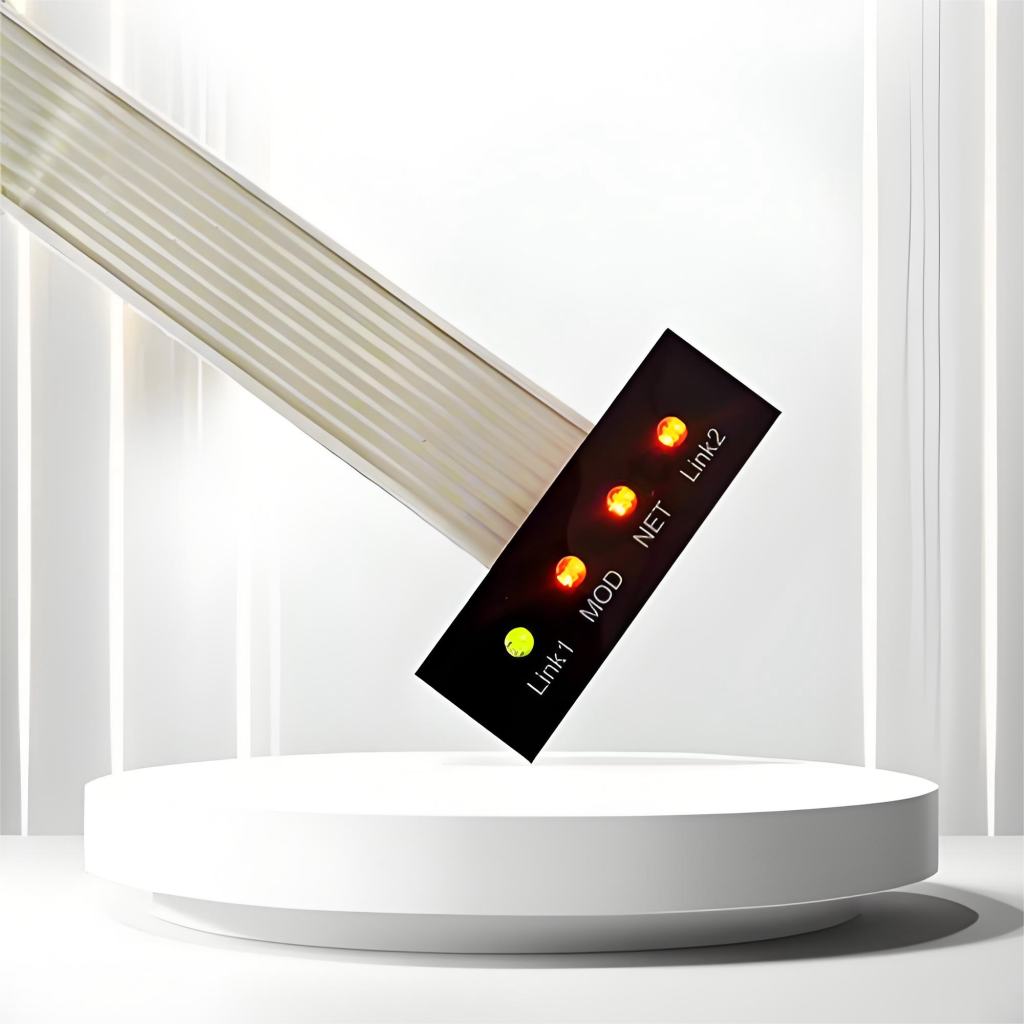
Snap-in or pin connectors are also used. While slightly less flexible, they provide secure attachment and straightforward assembly. For high-current LED applications, robust connectors prevent overheating and voltage drops.
When selecting a connector, consider LED power requirements, mechanical stress, and assembly environment. A reliable connection ensures consistent illumination, reducing maintenance and downtime.
How to Design a Reliable Membrane Switch with LED?
Designing a membrane switch with LED involves a balance of functionality, aesthetics, and durability. Start with the overlay. Use a graphic that ensures symbols remain legible under illumination. Materials should resist fading or scratching while diffusing light evenly.
Next, consider the LED placement. Uniform distribution prevents hotspots and shadows. Edge-lit LEDs can create sleek backlighting, while top-mounted LEDs highlight specific functions.
Circuit design is critical. Separate LED and switch circuits to avoid interference. Proper trace width and spacing prevent voltage drops and ensure consistent brightness. Incorporate resistors to control current, protecting LEDs from burnout.
Thermal management is also important. Even low-power LEDs generate heat. Use thermally conductive backers or heat-dissipating substrates to maintain performance and extend lifespan.
Finally, simulate real-world usage. Test tactile feedback, LED brightness, and visibility in different lighting conditions. A well-designed membrane switch with LED balances tactile response, illumination, and durability.
What Are the Main Membrane Switch Types with LED?
Membrane switches with LED come in several types:
- Direct LED switches: LEDs are mounted directly under each key. This method offers precise illumination for individual buttons.
- Edge-lit switches: LEDs are placed along the panel edges, and light is diffused across the overlay. This creates uniform backlighting, ideal for full-panel illumination.
- Transparent graphic overlays with LED layers: LEDs shine through transparent sections, emphasizing symbols or logos without altering the rest of the design.
- Multicolor LED switches: Incorporate RGB LEDs for dynamic displays, status indication, or branding flexibility.

Each type serves a specific application. Direct LEDs work well for critical function buttons, while edge-lit switches enhance visual appeal for consumer devices. Choosing the right type depends on space, function, and aesthetic goals.
Can You Customize Backlight Color in a Membrane Switch with LED?
Customization is a major advantage of LED membrane switches. Backlight color can be tailored to match brand identity or user preference. Single-color LEDs offer consistent illumination, while RGB options provide dynamic effects.
By layering color-diffusing films or transparent overlays, designers can achieve soft, uniform lighting. Some advanced designs allow users to select colors dynamically via software control. This is particularly useful in modern appliances or control panels that require visual flexibility.
Color choice also serves functional purposes. Red can indicate warnings, green signals readiness, and blue provides calming illumination. Customizable backlighting transforms a standard interface into an interactive, intuitive user experience.
What Factors Affect LED Brightness in Membrane Keypads?
Several factors influence LED brightness in membrane keypads:
- LED quality: Higher-quality LEDs deliver brighter, more uniform light.
- Layer thickness: Thick overlays can diffuse light excessively, reducing brightness.
- Circuit design: Proper voltage and current control prevent dimming or flickering.
- Ambient lighting: LEDs must be bright enough to stand out under various lighting conditions.
- Diffusion material: Films or light guides help distribute light evenly.
Attention to these factors ensures a consistently bright and reliable membrane switch. Designers can experiment with LED placement, overlay transparency, and diffusion layers to achieve the desired effect.
How to Maintain a Long-Lasting Membrane Switch with LED?
Maintenance starts with careful use. Avoid pressing keys with excessive force or sharp objects. Clean the surface regularly using non-abrasive wipes. Avoid harsh chemicals that could damage the overlay or LED.
Check electrical connections periodically. Loose connectors or corroded contacts can reduce LED brightness or cause failure. If the switch shows dimming or inconsistent lighting, inspect circuits and resistors for damage.
Environment also affects lifespan. Excessive heat, humidity, or exposure to direct sunlight may degrade materials and LEDs. Installing the switch in controlled environments extends service life.
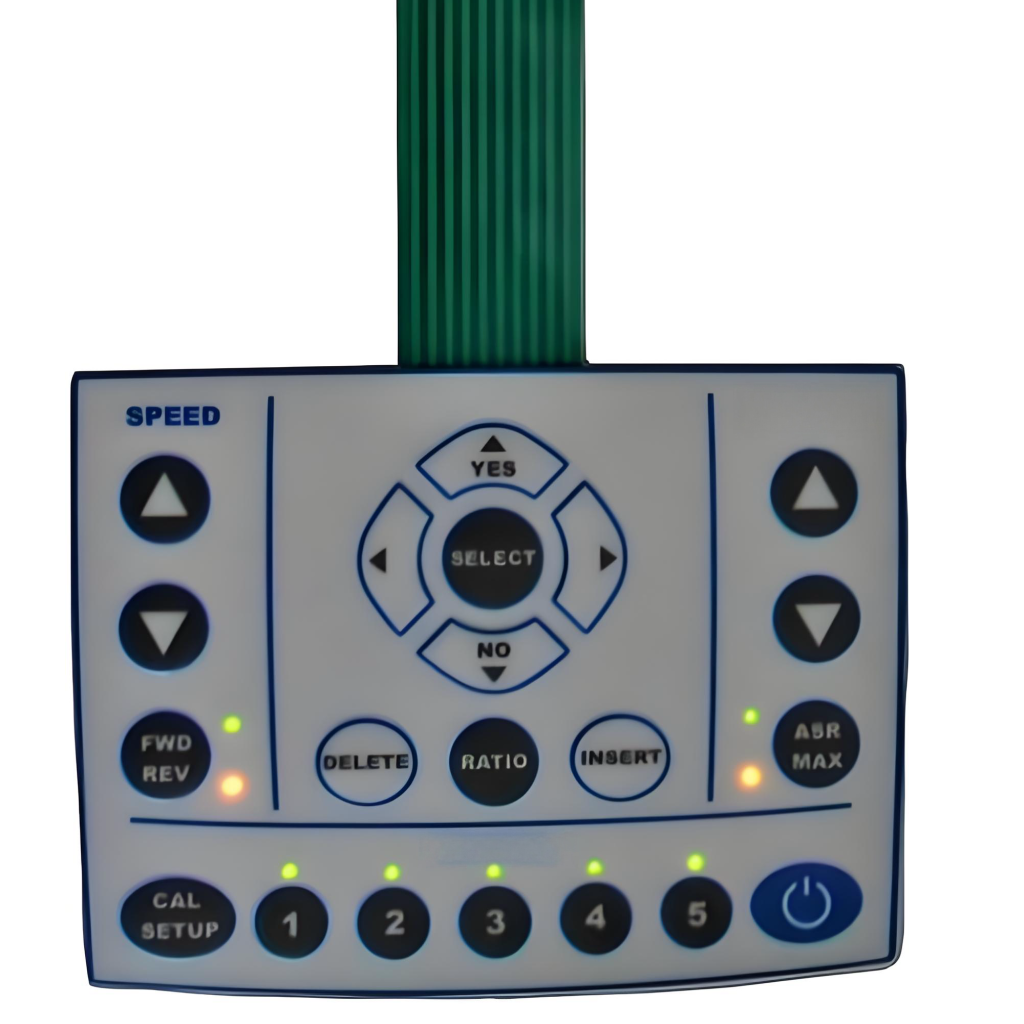
By combining proper use, routine cleaning, and occasional inspection, membrane switches with LED can perform reliably for years. This makes them ideal for both industrial and consumer applications.
Conclusion:
Membrane switches with LED combine tactile control, visual appeal, and functional reliability. They improve visibility, reduce user errors, and enhance the overall interface experience.
Whether you are designing a medical device, industrial panel, or consumer product, understanding the nuances of LED membrane switches is essential. Their versatility, energy efficiency, and customization potential make them a powerful choice for modern interfaces.
For more guidance or to source high-quality membrane switches with LED, contact sales@best-membraneswitch.com today

How Long Does Keyboard Last? Average Lifespan Guide
Understanding how long does keyboard last is not just about numbers—it’s about how design, usage habits, and environmental conditions come together over time. Whether you’re working with a membrane keyboard, a mechanical unit, or a custom membrane keyboard built for industrial use, lifespan varies widely based on real-world factors. How long do keyboards last? Most ...

Difference between Mechanical Keyboard and Membrane Keyboard
Choosing between different keyboard technologies is no longer a simple matter of preference. As user expectations continue to evolve—especially in gaming, office productivity, and industrial control systems—the underlying structure of a keyboard plays a decisive role in performance, longevity, and overall user satisfaction. Understanding the difference between mechanical keyboard and membrane keyboard allows buyers and ...
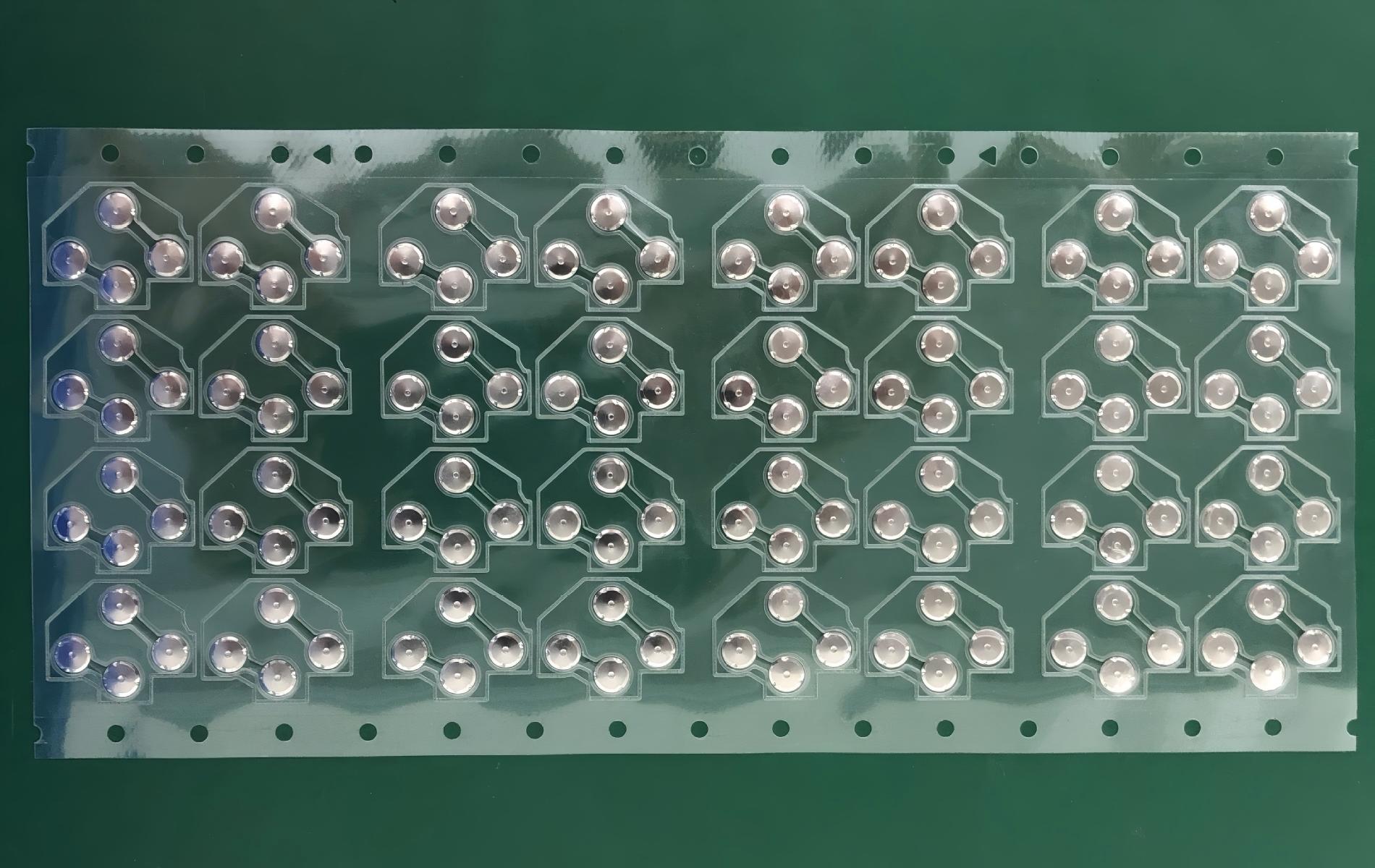
Top Advantages of Using an LGF Membrane Switch in Modern Electronics
Electronics have advanced rapidly over the years. The buttons and controls people use every day have also quietly advanced. Today, thin panel-based controls are replacing old, bulky buttons in almost every industry, and for good reason. Even Lighting Across Every Key Older backlit panels always had that annoying problem of bright spots near the light ...

Contact us online


