

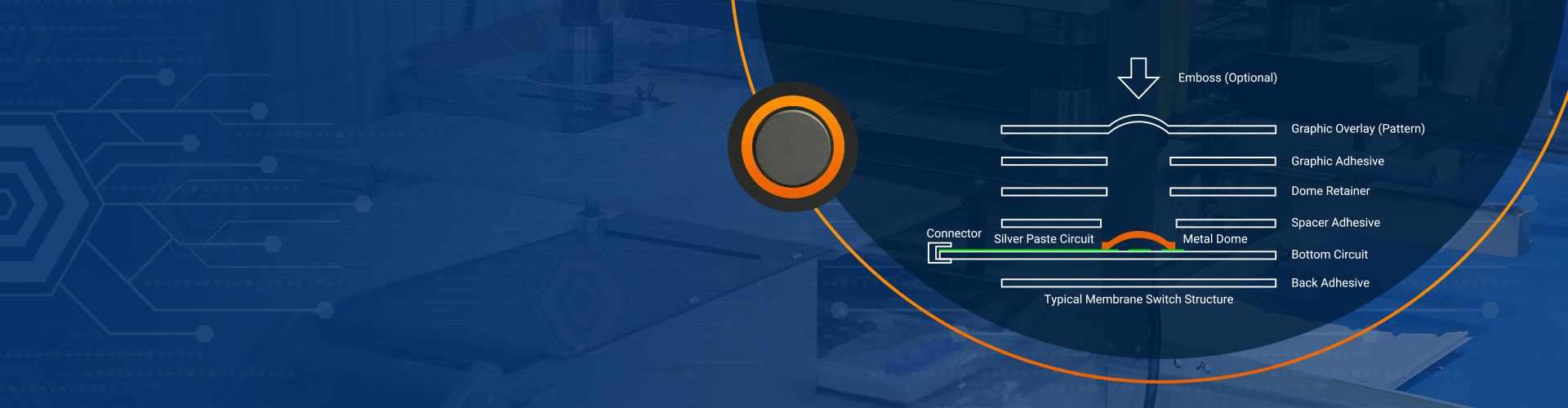
Silicone Rubber Keypad Manufacturer, Custom Membrane Switches
Silicone Rubber Keypad Manufacturer, Custom Membrane Switches


What is a silicone rubber keypad?
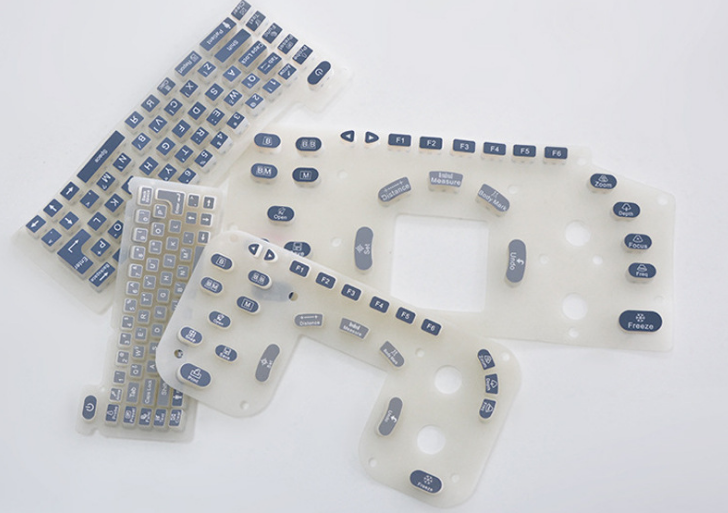
Silicone rubber keypad is a flexible input component made from molded silicone elastomer. It allows users to press keys to send commands to an electronic device. Each key is formed as part of a single rubber sheet or pad. When pressed, the key makes contact with a circuit below and completes an electrical signal.
Silicone rubber feels soft but returns quickly to its original shape. This makes the keypad comfortable to use and reliable over millions of presses. It also resists heat, cold, moisture, dust, and many chemicals.
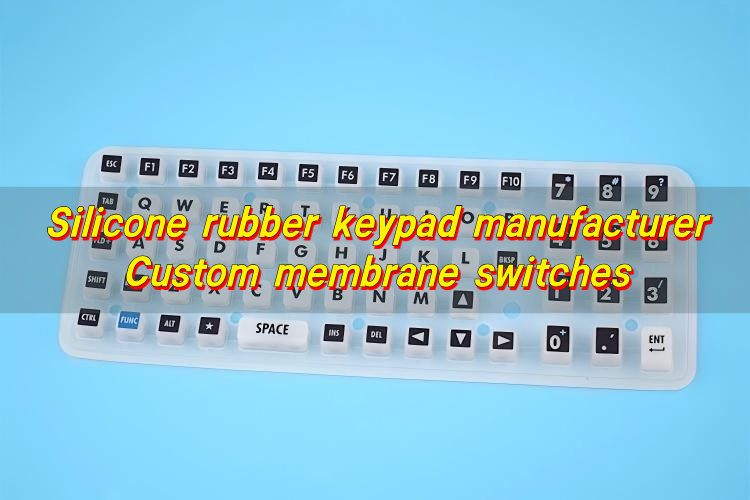
You can find these keypads in remote controls, medical monitors, factory machines, test instruments, and vehicle dashboards. They often look simple on the surface. Yet their design involves careful balance between touch force, travel distance, durability, and electrical performance.
A silicone rubber keypad can work alone or together with a printed circuit board. In many products, it sits above a PCB with carbon pills or conductive coatings underneath each key. When pressed, the conductive area bridges two contacts on the PCB.
It also allows for many layout options. Keys can be round, square, tall, flat, or sculpted. Legends can be printed, laser-etched, or molded directly into the rubber.
How are silicone rubber keypads made?
Silicone rubber keypad manufacturing combines material science, mold design, and precise process control.
- The process starts with raw silicone material. This material comes in solid or liquid form and is mixed with curing agents and color pigments. The mixture must be uniform.
- Next comes mold design. Engineers create steel molds based on the keypad shape, key layout, travel distance, and tactile force.
- Once the mold is ready, the silicone compound is placed into the mold cavity. Heat and pressure are applied. The silicone flows into every detail of the mold and then cures.
After molding, several finishing steps may follow:
- Trimming excess material from edges
- Applying conductive carbon pills or conductive coatings
- Printing or laser-etching key legends
- Adding protective coatings for wear or UV resistance
- Quality inspection and functional testing
The conductive element is one of the most important parts. Many designs use carbon pills bonded under each key. These pills provide stable electrical conductivity and long life. Other designs use sprayed conductive ink.
Custom membrane switches vs silicone rubber keypads
Both custom membrane switches and silicone rubber keypads serve as human–machine interfaces. Yet they differ in structure, feel, and typical use cases.
| Comparison item | Custom membrane switches | Silicone rubber keypads |
|---|---|---|
| Structure | Thin layered films with printed circuits and spacer layers | Molded silicone rubber keys with internal web structure |
| Thickness | Very thin and flat | Thicker due to key travel |
| Tactile feedback | Light or minimal | Strong and clear key response |
| User experience | Smooth surface, low travel | Physical movement with rebound |
| Design flexibility | Easy to print graphics and colors | Easy to shape keys and add textures |
| Durability | Good, depends on layers and adhesives | Excellent for long-term use |
| Temperature resistance | Moderate | Very strong |
| Environmental sealing | Easy to seal | Naturally resistant to dust and moisture |
| Cost at low volume | Usually lower | Tooling cost is higher |
| Cost at high volume | Increases with complexity | Lower per unit after tooling |
| Backlighting | Easy to integrate | Common with laser-etched legends |
| Typical lifespan | Hundreds of thousands to millions of presses | Millions of presses |
| Common applications | Handheld devices, flat panels | Industrial controls, medical devices, automotive systems |
In real products, the choice often depends on how the device will be used. Membrane switches suit compact and flat designs. Silicone rubber keypads suit frequent operation and harsh environments.
Many manufacturers provide both options. Some products even combine them to balance size, feel, and durability. The best solution is the one that supports the product’s real working conditions and user habits.
Components of a silicone rubber keypad
Silicone rubber keypad is simple in appearance but complex inside. Each part plays a role in performance and lifespan.
The main components include:
- Silicone rubber body
- Key structures and webbing
- Conductive contacts
- Legends or surface markings
- Coatings and protective layers
- The silicone rubber body forms the base. It holds all keys in position and provides flexibility. Its hardness is measured in Shore A units.
- Key structures include the top surface and the internal webbing. The webbing controls how the key collapses and rebounds. Different shapes produce different tactile feels.
- Conductive contacts sit under each key. Carbon pills are most common. They are small conductive pads bonded to the rubber. When pressed, they touch the PCB traces and close the circuit.
- Legends show numbers, letters, or symbols. They can be printed with ink, laser-etched for backlighting, or molded as raised shapes.
- Protective coatings extend life. PU coatings resist abrasion. UV coatings reduce fading. Special surface treatments improve chemical resistance.
In some designs, additional layers are added. These may include:
- Light guides for LEDs
- Metal domes for stronger tactile feedback
- Shielding layers for EMI protection
Each component must work together. Poor bonding or mismatched materials can cause early failure.
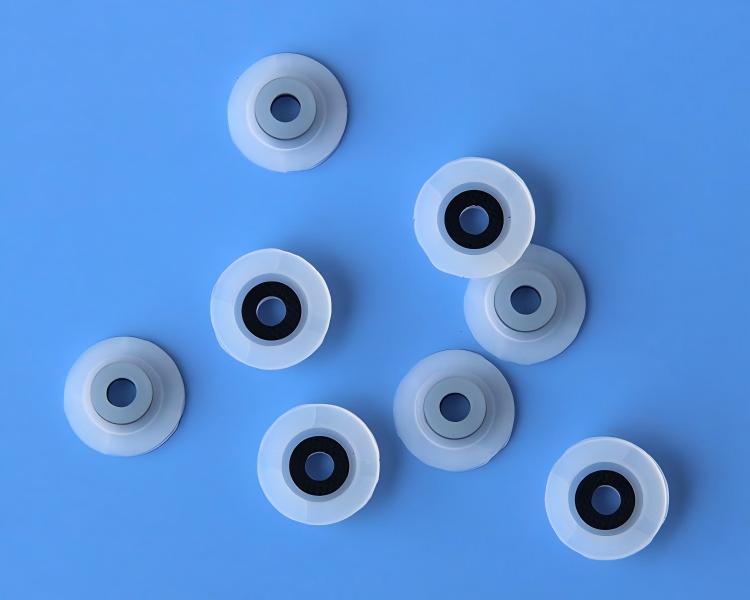
What types of silicone rubber keypads are there?
Silicone rubber keypads come in many forms. This variety helps designers match technical needs with user expectations and product style.
Common types include:
- Standard single-layer keypads
These use molded silicone keys with carbon pills underneath. They are simple, reliable, and cost-effective. They are widely used in home appliances, handheld controllers, and basic electronic devices.
- Backlit keypads
These use laser-etched legends with LEDs on the PCB. Light passes through the symbols, making them clear in dark environments. This type is popular in automotive systems, medical devices, and professional equipment.
- Double-shot molded keypads
Two silicone materials are molded together. One forms the body. The other forms the legend. The symbols never fade because they are part of the rubber itself. This design supports long-term outdoor and industrial use.
- Conductive coating keypads
These replace carbon pills with sprayed conductive ink. They allow thinner designs and suit low-profile products with limited internal space.
- Sealed industrial keypads
These use thicker silicone and reinforced edges. They resist water, dust, oils, and chemicals. They are common in outdoor machines, factory controls, and heavy-duty equipment.
- Hybrid silicone–membrane keypads
These combine silicone keys with a membrane circuit layer. They save space while keeping tactile feedback. Many medical and compact industrial devices use this structure.
How do silicone rubber keypads work?
The working principle of a silicone rubber keypad is simple but reliable.
Each key rests above two conductive traces on a circuit board. Under the key sits a conductive element, usually a carbon pill.
When the user presses the key, the rubber deforms. The carbon pill moves downward and touches both traces. This bridges the circuit and sends an electrical signal to the controller.
When the user releases the key, the rubber returns to its original shape. The carbon pill lifts away. The circuit opens again.
The tactile feel comes from the rubber structure. The internal web collapses at a specific force. This creates a noticeable snap or soft bump.
Signal reliability depends on contact resistance. High-quality carbon pills maintain stable resistance over time. Poor materials cause fluctuating signals.
Environmental sealing often comes from the keypad itself. The rubber forms a tight barrier around the PCB opening. This protects electronics from dust and moisture.
In backlit designs, light passes through translucent silicone or laser-etched legends. The keypad still works the same way electrically.
Even in modern touch-screen products, physical keys remain valuable. They offer feedback that screens cannot. They work with gloves. They function in rain, heat, and vibration.
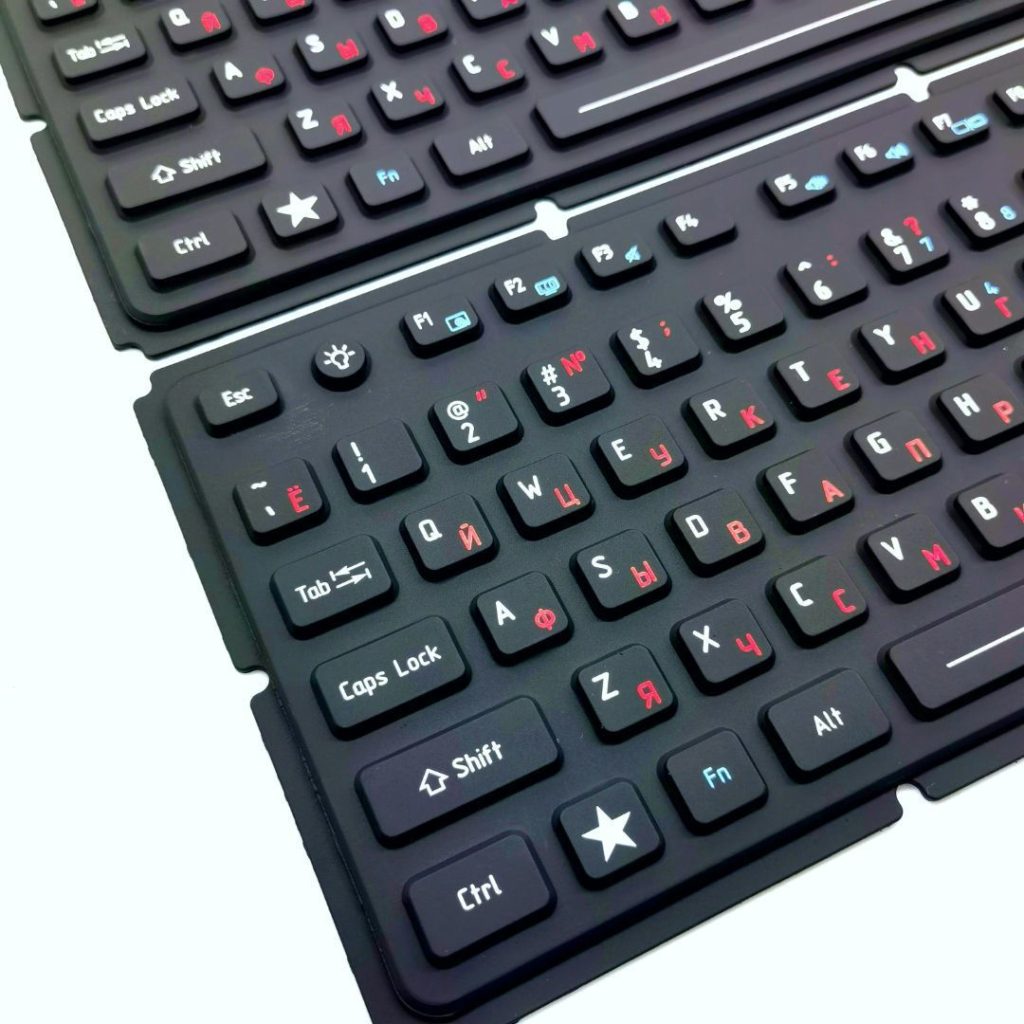
What are the advantages of silicone rubber keypads?
Silicone rubber keypads offer many practical benefits. These advantages explain their long presence in electronics design.
- First, durability stands out. Silicone resists heat, cold, ozone, and moisture. It does not crack easily. It keeps flexibility over time.
- Second, tactile feedback improves user confidence. Users know when a key is pressed. This reduces mistakes and speeds operation.
- Third, design freedom is high. Shapes, colors, textures, and legends can all be customized. Branding becomes part of the keypad itself.
- Fourth, sealing performance is excellent. A well-designed keypad protects internal electronics without extra gaskets.
- Fifth, long service life lowers total cost. Even if tooling costs more at the start, the low failure rate saves money later.
Other benefits include:
- Comfortable feel for frequent use
- Stable electrical performance
- Easy cleaning
- Compatibility with harsh environments
- Support for backlighting
These strengths make silicone keypads suitable for both mass-market and specialized equipment.
How to choose a silicone rubber keypad manufacturer?
Selecting the right partner matters as much as selecting the right design. A good manufacturer does more than mold rubber. We support design, testing, and long-term production.
- Experience is the first factor. Manufacturers with years of work understand tooling challenges and material behavior.
- Engineering support is equally important. A strong team reviews drawings, suggests improvements, and optimizes tactile force and contact layout.
- Quality control should be visible. Look for testing equipment, inspection standards, and traceability systems.
- Material options matter too. A reliable supplier offers different silicone grades, conductive materials, and coatings.
- Communication speed also affects project success. Fast replies reduce development cycles.
When evaluating suppliers, consider these points:
- Tooling capability and precision
- Sample lead time
- Mass production consistency
- Certifications and process standards
- Willingness to support custom membrane switches integration
- Price is important, but not alone. Very low prices often mean unstable quality or weak testing.
A dependable silicone rubber keypad manufacturer becomes a long-term partner. We help refine future designs and solve issues before they reach customers.
What are the application areas of silicone rubber keypads?
Silicone rubber keypads appear in more industries than most people realize.
- Consumer electronics use them in remote controls, small appliances, toys, and gaming devices. Their soft feel and long life suit daily use.
- Medical equipment relies on them for monitors, infusion pumps, and diagnostic tools. Their sealed design supports hygiene and cleaning.
- Industrial machines use them on control panels, handheld terminals, and testing instruments. Operators depend on their reliability in dust and vibration.
- Automotive applications include dashboards, climate controls, and door systems. Temperature resistance is critical here.
- Telecommunication devices use them in radios and base stations.
- Home automation systems use them for wall panels and security controls.
Other fields include:
- Laboratory instruments
- Agricultural machinery
- Marine electronics
- Fitness equipment
- Payment terminals
In many of these products, silicone keypads work alongside custom membrane switches. Each technology supports different interface needs within the same system.
Conclusion:
Silicone rubber keypads remain a powerful interface solution. They offer durability, comfort, design freedom, and stable electrical performance. Their manufacturing process combines precision molding with material expertise. Their structure supports millions of reliable presses. Compared with custom membrane switches, they provide stronger tactile feedback and environmental resistance.
For technical consultation or project inquiries, you can contact: sales@best-membraneswitch.com

How Long Does Keyboard Last? Average Lifespan Guide
Understanding how long does keyboard last is not just about numbers—it’s about how design, usage habits, and environmental conditions come together over time. Whether you’re working with a membrane keyboard, a mechanical unit, or a custom membrane keyboard built for industrial use, lifespan varies widely based on real-world factors. How long do keyboards last? Most ...
Difference between Mechanical Keyboard and Membrane Keyboard
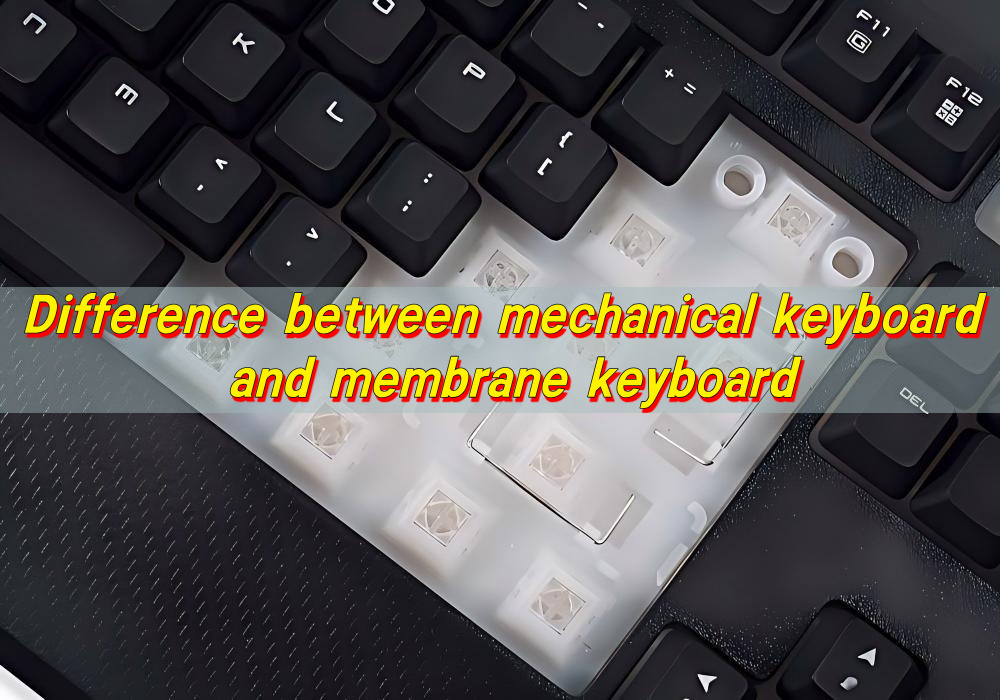
Choosing between different keyboard technologies is no longer a simple matter of preference. As user expectations continue to evolve—especially in gaming, office productivity, and industrial control systems—the underlying structure of a keyboard plays a decisive role in performance, longevity, and overall user satisfaction. Understanding the difference between mechanical keyboard and membrane keyboard allows buyers and ...
Top Advantages of Using an LGF Membrane Switch in Modern Electronics
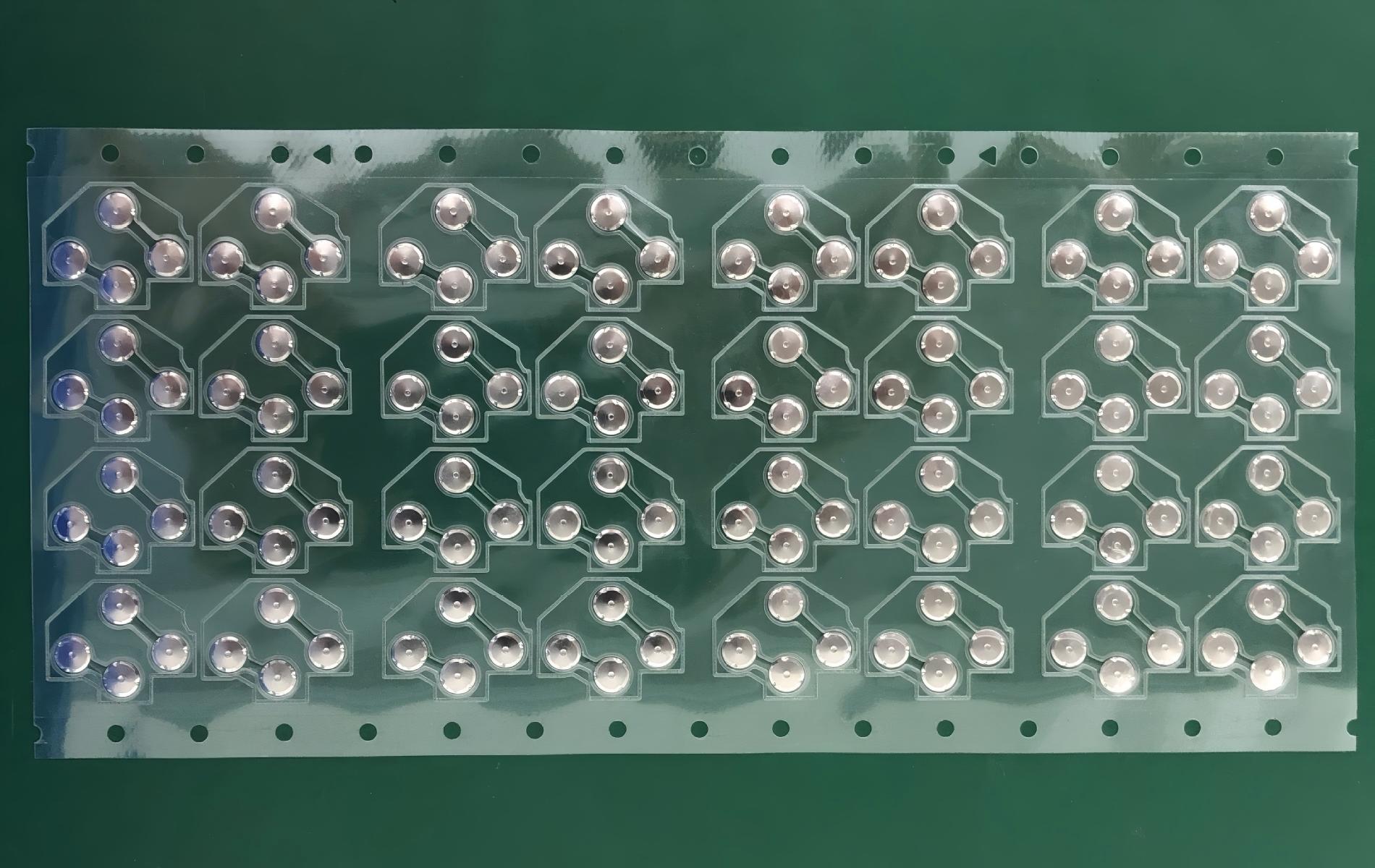
Electronics have advanced rapidly over the years. The buttons and controls people use every day have also quietly advanced. Today, thin panel-based controls are replacing old, bulky buttons in almost every industry, and for good reason. Even Lighting Across Every Key Older backlit panels always had that annoying problem of bright spots near the light ...

Contact us online


