

Click Touch Membrane Switch, Premium Membrane Switch with Tactile Click Response
Click Touch Membrane Switch, Premium Membrane Switch with Tactile Click Response


Our click touch membrane switch provides clear tactile click response, stable performance and long service life, ideal for control panels requiring obvious touch feedback.
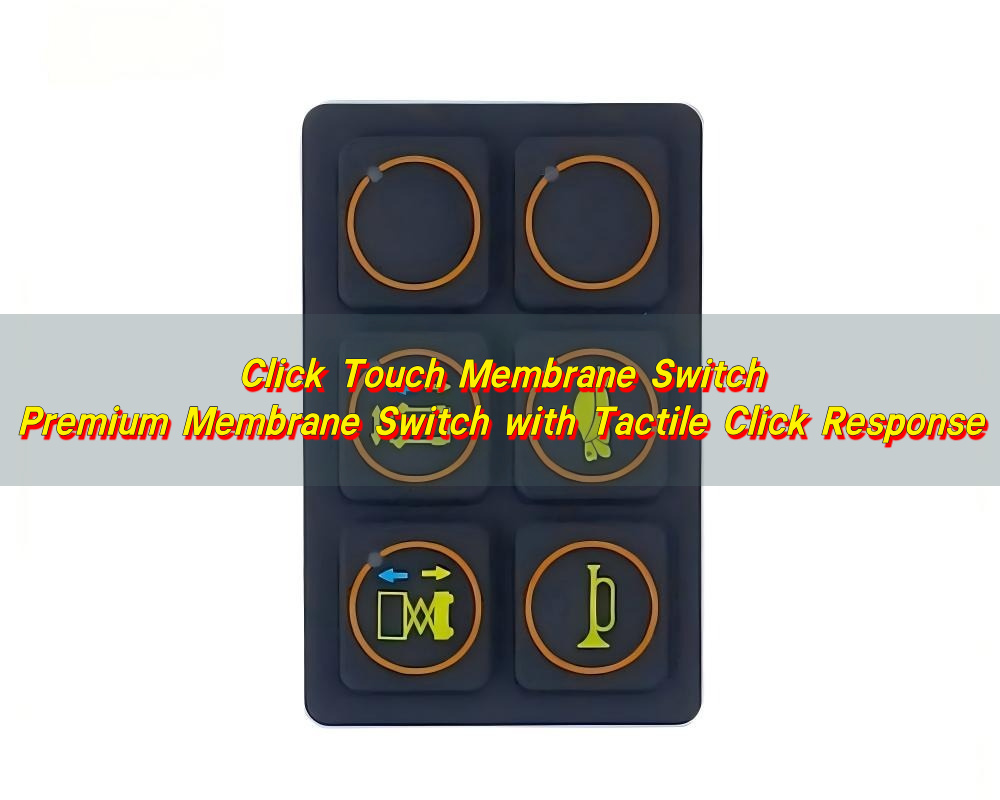
What is a click touch membrane switch?
A click touch membrane switch is a pressure-activated interface designed to deliver a clear, physical response each time a key is pressed. Unlike flat graphic overlays that feel smooth and silent, this structure provides a noticeable “click” sensation.
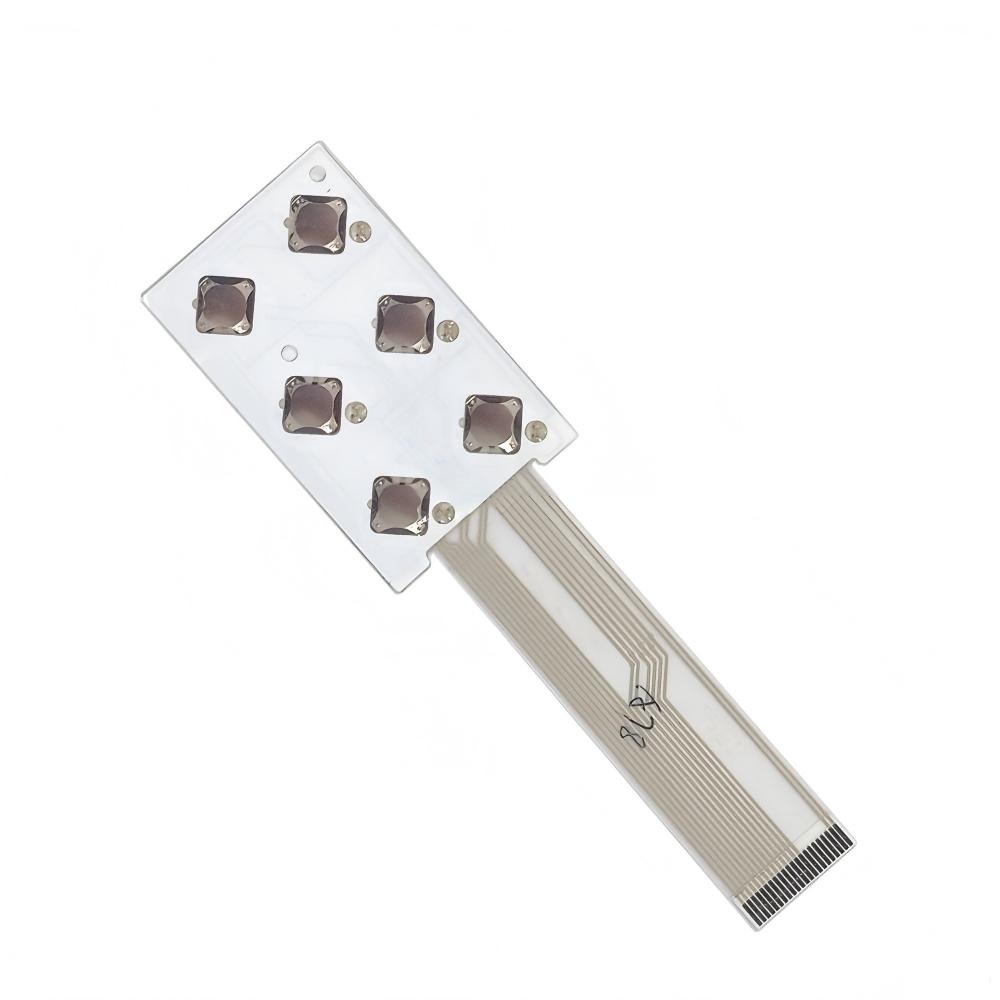
The tactile effect usually comes from a metal dome or formed polyester layer placed under the graphic overlay. When pressed, the dome collapses and contacts the circuit below. Once pressure is released, the dome returns to its original shape. The result is a crisp and reliable feedback cycle.
A click touch membrane switch is not the same as a traditional mechanical keyboard. It is thinner. It is sealed. It resists dust and moisture. It also supports custom shapes and printed graphics.
From medical analyzers to industrial controllers, this switch format delivers dependable performance. It feels refined. It looks clean. It integrates easily into custom membrane switch assemblies tailored to brand and function.
How does a click touch membrane switch work?
The working principle is simple but engineered with precision. Each layer plays a role in the electrical and tactile system.
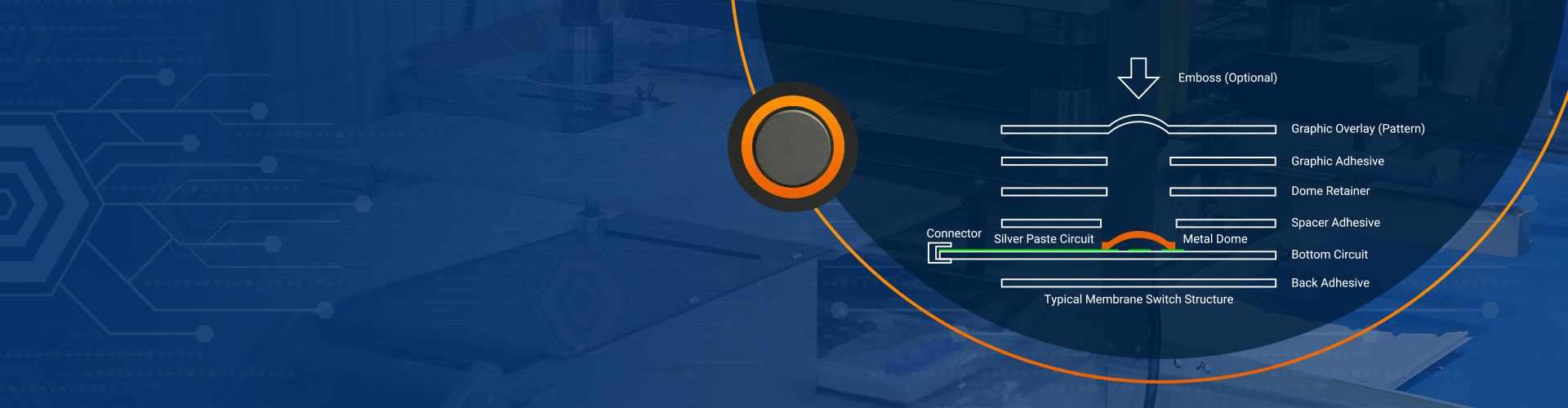
A typical structure includes:
- Graphic overlay with printed legends
- Spacer layer with vent channels
- Metal dome or tactile polyester dome
- Circuit layer, printed with conductive traces
- Rear adhesive for mounting
When a user presses the key area, force travels through the overlay to the dome. The dome snaps downward. This action bridges the circuit traces on the lower layer. Electrical contact occurs instantly. The system sends a signal to the device controller.
The snap ratio of the dome defines how sharp the click feels. A higher snap ratio produces a stronger tactile sensation. Actuation force can also be adjusted. Some applications require light pressure. Others need firmer force to avoid accidental activation.
Why choose a click touch membrane switch?
A click touch membrane switch offers measurable advantages in user experience and product reliability. Many manufacturers select this format for its balance of performance and cost control.
- First, tactile confirmation improves operational accuracy. Users know immediately when a command is accepted. This reduces repeated pressing and minimizes input errors.
- Second, the sealed structure protects internal circuitry. Dust, oil, and moisture remain outside. This extends service life. It also lowers warranty risk.
- Third, the design supports customization. These options allow a custom membrane switch to match branding and technical needs.
For OEM projects, this flexibility is powerful. It allows full integration into medical devices, laboratory instruments, smart appliances, and industrial machinery.
Companies such as Yu An Electronics support full customization from circuit design to final assembly. With experience in precision electronic manufacturing, we help clients achieve stable performance and consistent tactile response.
How is a click touch membrane switch different from a non tactile membrane switch?
The main difference lies in feedback. A click touch membrane switch provides a physical snap when pressed. A non tactile membrane switch remains smooth and silent.
In a non tactile membrane switch, pressing the overlay simply pushes two conductive layers together. There is no dome collapse. There is no audible or physical click.
The tactile version includes a dome that creates a snap action. This snap generates:
- Noticeable finger feedback
- Audible click sound
- Clear actuation point
However, a non tactile membrane switch has its own strengths. It offers a softer press and can be quieter. It is suitable for environments where sound must be minimized.
Durability is high in both types. Yet tactile domes are rated for specific actuation cycles. Premium domes often exceed one million presses.
What are benefits of click touch membrane switch?
The benefits extend beyond simple clicking sensation. This technology enhances overall product value.
One major benefit is improved user engagement. A crisp click feels deliberate. It signals quality.
Another benefit is operational precision. Clear actuation reduces accidental triggers. This is critical in medical devices and industrial controls.
Durability is also impressive. Metal domes maintain elasticity over extensive cycles. With correct engineering, lifespan can reach millions of actuations.
Design flexibility supports branding. Colors, logos, and icons can be printed directly on the membrane switch panel. Embossing can highlight key zones.
When produced by an experienced manufacturer like Yu An Electronics, quality control is strict. Each batch undergoes electrical and tactile testing. This ensures stable actuation force and consistent snap ratio.
Where to use a click touch membrane switch?
This switch type serves a wide range of industries. Its versatility makes it suitable for both indoor and rugged environments.
Common applications include:
- Medical diagnostic devices
- Laboratory equipment
- Industrial control panels
- Fitness equipment consoles
- Smart home systems
- Telecommunications terminals
- Consumer electronics
Because a custom membrane switch can be tailored to shape and function, it adapts to both simple and complex systems.
How does backlighting work in a membrane switch panel?
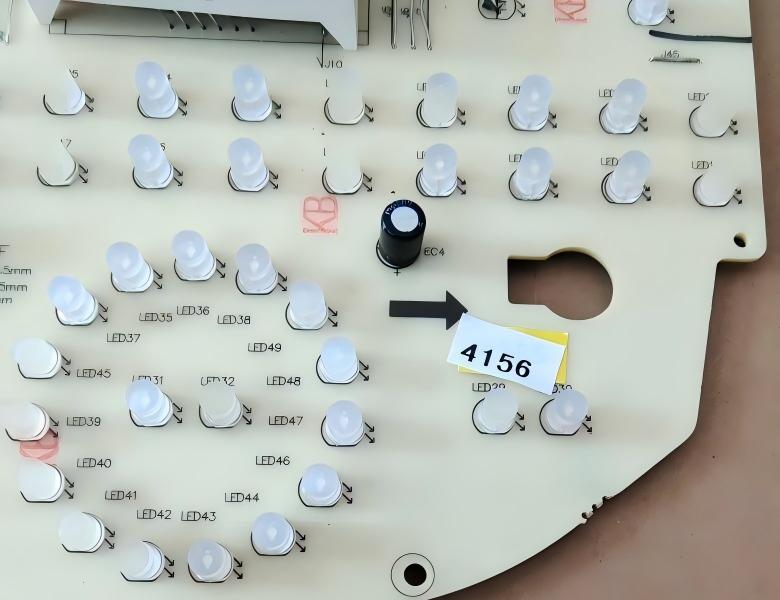
In a membrane switch panel, lighting is usually achieved with LED integration or light guide film. Small LEDs are mounted beneath translucent key areas. The overlay is printed with semi-transparent ink.
Designers can select different lighting styles:
- LED point lighting under each key
- Light guide panels for uniform glow
- Edge lighting for slim designs
Brightness can be adjusted to match product requirements. Color options include white, blue, green, or custom tones.
Proper circuit design ensures even light distribution. Diffuser layers help avoid bright spots. Backlighting increases usability at night or in dim rooms. It adds a premium feel to the interface.
When should you use a non tactile membrane switch?
A non tactile membrane switch is suitable when smooth and quiet operation is preferred. Some environments value silent interaction.
For example, in sound-sensitive medical rooms, minimal noise can be beneficial. In certain consumer electronics, designers want a sleek and soft touch experience.
If the device provides visual confirmation on a display screen, tactile feedback may not be required.
Non tactile designs can also reduce actuation force. This may be useful for applications requiring rapid repeated input.
Cost considerations may influence selection as well. The absence of metal domes can simplify structure.
However, the final decision should always consider user experience and operational safety. Evaluating the working environment and user expectations helps determine the best solution.
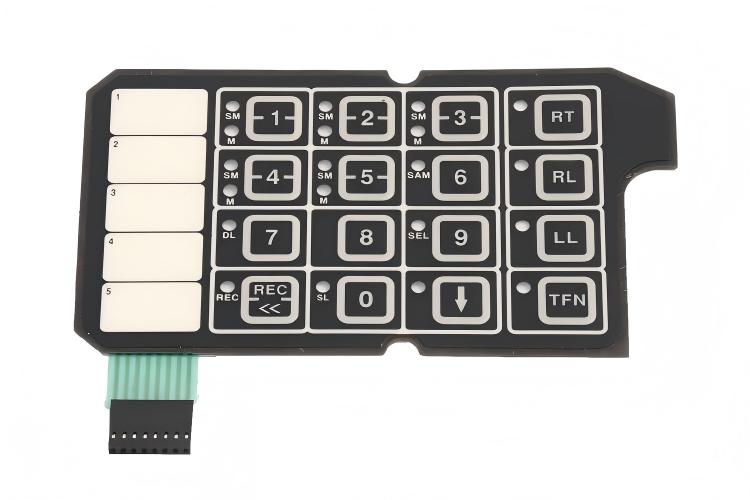
Yu An Electronics works closely with clients to analyze these factors. By reviewing application scenarios and performance targets, we recommend the most suitable membrane switch configuration.
Conclusion:
A click touch membrane switch delivers precise tactile response, reliable electrical performance, and strong design flexibility. It combines thin structure with powerful functionality. The crisp feedback improves user confidence.
If you are planning a custom membrane switch project and need expert guidance, contact the team at sales@best-membraneswitch.com
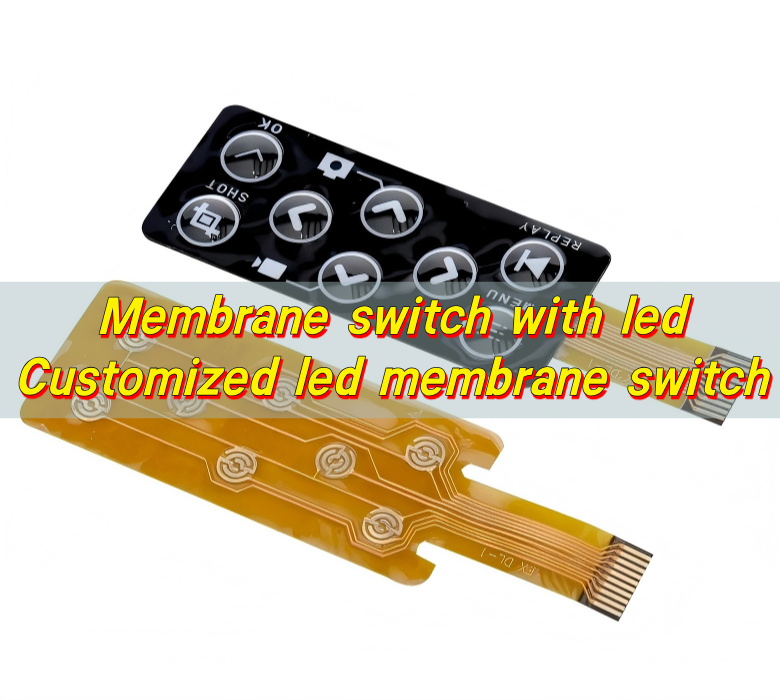
Membrane Switch with LED, Customized LED Membrane Switches
Our LED membrane switches provide bright, even backlighting, long lifespan and reliable performance for control panels in dark environments. What are LED membrane switches? LED membrane switches are advanced user interface panels that combine a flexible membrane circuit with integrated light sources. The structure looks simple from the outside. Inside, it is a layered system ...
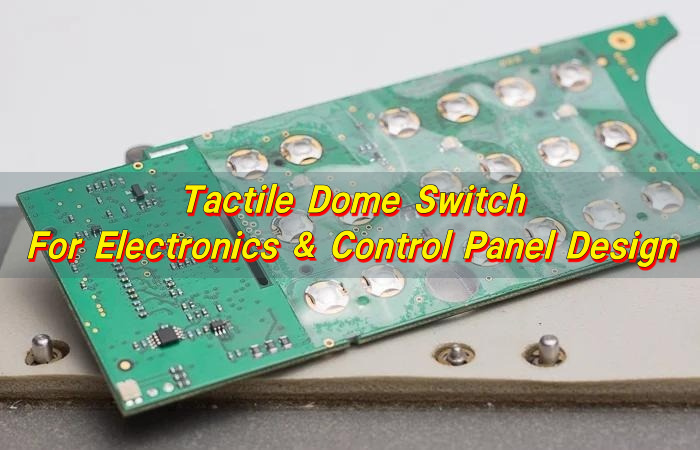
Tactile Dome Switch – For Electronics & Control Panel Design
Our tactile dome switch delivers crisp tactile feedback and reliable precision actuation, with industrial-grade durability for small device control panels. Custom sizes available for your design needs. What is a tactile dome switch? A tactile dome switch is a compact switching component used in electronic interfaces where clear feedback matters. It delivers a sharp, physical ...

Custom Membrane Keypads – Industrial Grade Custom Design
Our custom membrane keypads are engineered with industrial-grade durability, waterproof & oil-resistant for control panels. Fully customizable sizes, layouts and symbols for your device needs. What is a custom membrane keypad? A custom membrane keypad is a low-profile input interface designed for a specific product, device, or operating environment. It combines printed circuits, tactile layers, ...

Contact us online


