

Touch-Sensitive Membrane Switches | Custom Tactile Interface Panels
Touch-Sensitive Membrane Switches | Custom Tactile Interface Panels


What are touch-sensitive membrane switches?
Touch-sensitive membrane switches are thin, flexible interface panels designed to detect a user’s touch and send an electrical signal to a connected circuit. These switches are commonly used in electronic control panels where a compact, reliable, and easy-to-clean interface is required. Instead of using traditional mechanical buttons, a touch-sensitive membrane responds to gentle pressure or contact on a graphic surface.
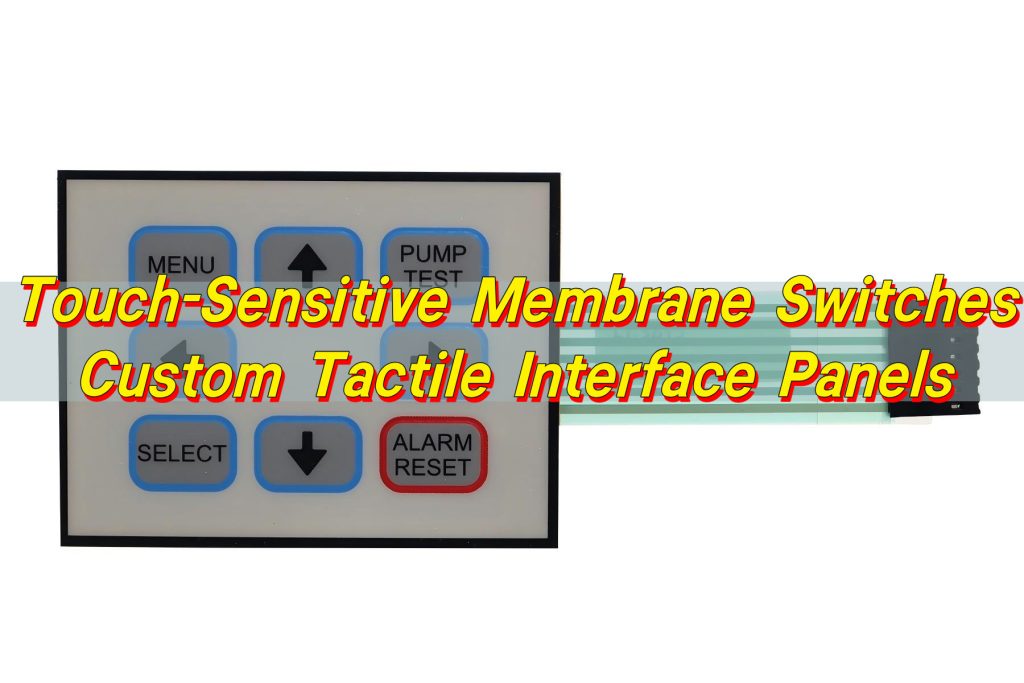
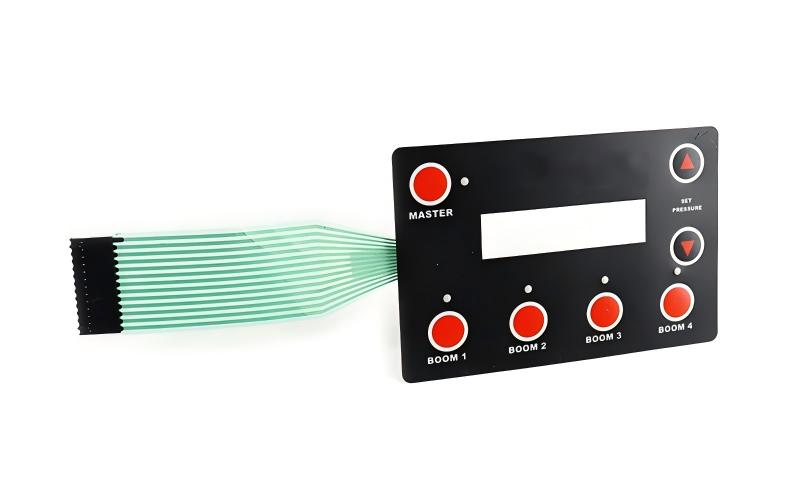
A typical touch-sensitive membrane switch combines printed circuitry, conductive layers, and a protective overlay. When a user presses or touches a marked area on the panel, the circuit closes and the device performs the assigned function. Because the entire interface is sealed beneath a protective layer, the switch remains durable even in environments where dust, moisture, or frequent cleaning may occur.
The design also allows manufacturers to integrate icons, symbols, and instructions directly into the graphic overlay. This creates an intuitive control panel that is simple to operate while maintaining a modern appearance. The slim structure makes the switch ideal for devices that require compact design and minimal weight.
Touch-sensitive membrane switches are widely used in many electronic devices, including medical equipment, industrial control systems, home appliances, and consumer electronics. Their ability to combine design flexibility with dependable performance makes them a popular solution for modern product interfaces.
Another key feature is customization. Manufacturers can tailor the layout, tactile feedback, materials, and electrical characteristics to meet the exact requirements of a product. Companies such as Yu An Electronics specialize in custom membrane switch solutions, offering tailored interface panels that match specific device functions, operating environments, and design goals.
Compared with conventional mechanical switches, touch-sensitive membrane panels provide a cleaner surface, smoother operation, and greater design freedom. They also support integration with backlighting, embossing, and other interface enhancements that improve user experience. In simple terms, a touch-sensitive membrane switch acts as a bridge between the user and the electronic system. It translates human interaction into electronic signals in a reliable, compact, and visually appealing way.
How do touch-sensitive membrane switches work?
Understanding how touch-sensitive membrane switches operate helps explain why they are so reliable and widely adopted in electronic interfaces. The working principle relies on conductive layers that form an electrical circuit when a user presses a designated touch area.
Inside the switch, several thin layers are stacked together. These layers include conductive traces, insulating spacers, and a top graphic overlay. When pressure is applied to a touch-sensitive button, the upper conductive layer contacts the lower circuit layer, completing the circuit.
Once the circuit closes, the connected electronic controller receives the signal and activates the programmed function. When the pressure is released, the layers separate again, breaking the circuit and returning the switch to its original state.
The process happens instantly and requires very little force. This makes the interface responsive and comfortable for users.
The general working sequence can be explained in a few simple steps:
- The user touches or presses a designated button area on the panel.
- The flexible top layer bends slightly under pressure.
- The conductive contact layer touches the lower circuit trace.
- The electrical circuit closes and sends a signal to the controller.
- The controller executes the programmed command.
- When the pressure is removed, the layers return to their original positions.
Because the conductive circuits are printed and sealed inside the membrane layers, the switch remains protected from external contamination. Dust, liquids, and grease cannot easily reach the internal components.
Modern touch-sensitive membrane switches may also incorporate capacitive sensing technology. In this design, the panel detects changes in electrical capacitance caused by a human finger rather than relying on physical contact between conductive layers. Capacitive touch technology allows extremely smooth operation and can function through thicker overlays or protective surfaces.
Manufacturers often choose the switching method based on the product requirements. Mechanical contact designs provide clear tactile feedback, while capacitive versions deliver a sleek touch experience.
Yu An Electronics offers both structural options depending on customer requirements. By selecting the proper sensing method, engineers can balance durability, sensitivity, and user experience for each application.
The simple structure and reliable working principle are key reasons why touch-sensitive membrane switches are trusted in demanding electronic equipment.
What are the benefits of touch-sensitive membrane switches?
Touch-sensitive membrane switches offer many advantages compared with traditional mechanical buttons or bulky control panels. Their thin structure, sealed design, and flexible customization options make them ideal for modern electronic devices.
One of the biggest advantages is their compact and lightweight construction. Because the switch consists of thin layers rather than mechanical components, it occupies very little space inside a product. This allows designers to create sleek devices with streamlined interfaces.
Another important benefit is the sealed surface. The protective graphic overlay shields the internal circuitry from dust, moisture, and chemicals. This feature significantly improves reliability in environments where regular cleaning or exposure to contaminants may occur.
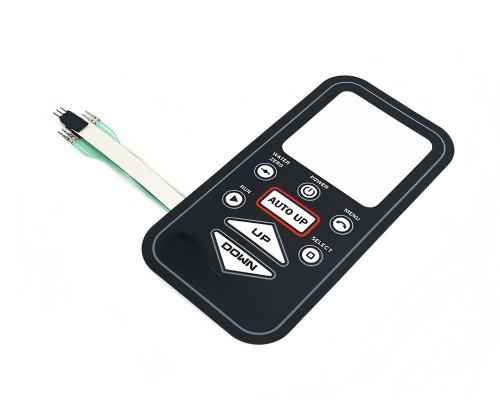
Many manufacturers choose touch-sensitive membrane switches because they offer excellent design flexibility. The graphic overlay can include colors, icons, logos, and instructions. This allows the interface to match the overall appearance of the product while maintaining clear usability.
Key advantages include:
- Slim and lightweight structure
- Sealed surface resistant to dust and moisture
- Customizable graphic designs and layouts
- Reliable electrical performance
- Low operating force for comfortable use
- Easy integration with electronic control systems
- Long operational lifespan
Another strong advantage is cost efficiency. The production process involves printed circuits and laminated layers, which can be manufactured in large quantities with consistent quality. This makes the technology suitable for both small production runs and high-volume electronics manufacturing.
Maintenance is also minimal. Since the switch surface is flat and sealed, it is easy to clean and disinfect. This is particularly valuable for medical devices, laboratory equipment, and food processing machines.
Touch-sensitive membrane switches also support advanced features that improve the user experience. These features may include:
- Tactile metal dome feedback
- LED backlighting
- Transparent windows for displays
- Embossed button areas for better finger positioning
Companies like Yu An Electronics provide complete customization services, including material selection, circuit design, graphic printing, and structural optimization. With experienced engineering support, customers can develop interface panels that match both technical and aesthetic requirements.
Overall, the benefits of touch-sensitive membrane switches extend beyond basic functionality. They offer reliability, design flexibility, and improved usability in a wide range of electronic products.
What is the structure of a touch-sensitive membrane switch?
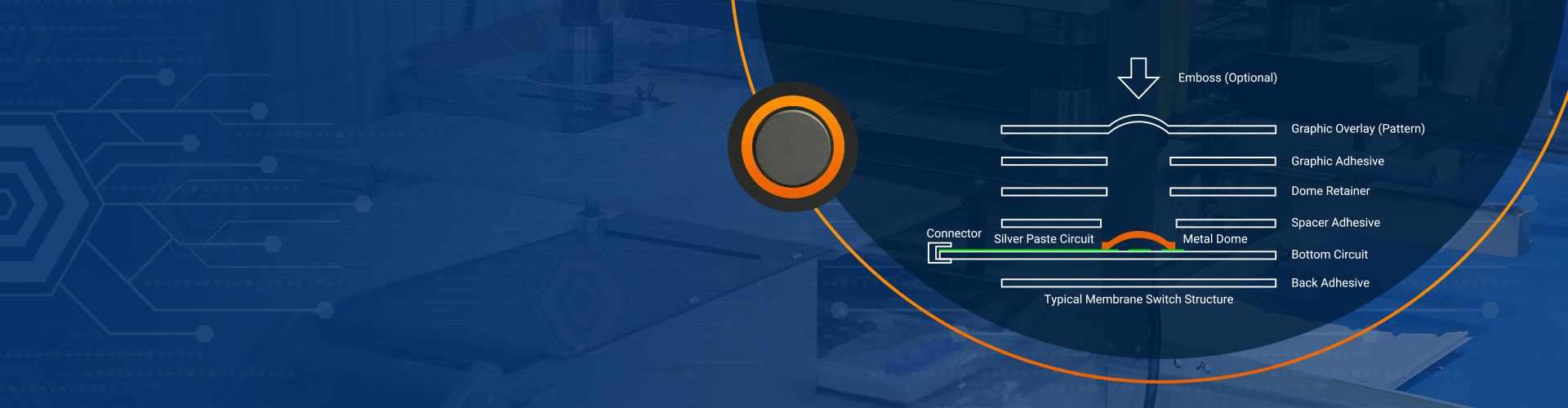
The structure of a touch-sensitive membrane switch is built from multiple thin layers that work together to create a functional interface panel. Each layer plays a specific role in protecting the circuitry, detecting user input, and ensuring reliable operation.
Although the exact design may vary depending on the application, most membrane switches follow a similar layered structure.
The typical layers include:
- Graphic overlay
- Adhesive layer
- Circuit layer
- Spacer layer
- Bottom circuit layer
- Rear adhesive or mounting layer
The graphic overlay is the topmost layer that users interact with. It is usually made from polyester or polycarbonate film. This layer contains printed symbols, icons, and instructions that guide the user.
Below the overlay lies an adhesive layer that bonds the overlay to the internal circuit layers. This adhesive must provide strong bonding while maintaining flexibility.
The circuit layers contain conductive traces printed with silver or carbon ink. These traces form the electrical pathways that transmit signals to the device controller.
A spacer layer sits between the upper and lower circuit layers. This layer creates a small gap that prevents the circuits from touching until the user presses the button area.
When pressure is applied, the top circuit layer moves downward and contacts the lower circuit layer, completing the circuit.
The bottom layer usually includes an adhesive backing that allows the membrane switch to be mounted directly onto the device housing.
The structure can be summarized in the following table:
| Layer | Function |
|---|---|
| Graphic Overlay | User interface surface with printed icons and instructions |
| Adhesive Layer | Bonds overlay to circuit layers |
| Top Circuit Layer | Contains conductive traces for signal transmission |
| Spacer Layer | Creates separation between conductive layers |
| Bottom Circuit Layer | Completes the circuit when pressed |
| Rear Adhesive | Attaches the switch to the product housing |
This layered design provides both durability and flexibility. The switch can bend slightly without damaging the internal circuits.
Manufacturers like Yu An Electronics carefully select materials for each layer to ensure consistent performance. Factors such as temperature resistance, electrical conductivity, and environmental durability are all considered during the design process.
The layered structure also allows additional components to be integrated into the switch. These components may include metal domes for tactile feedback, LED lighting, or shielding layers for electromagnetic protection.
Because the structure is modular, engineers can adjust the materials and thickness of each layer to meet specific product requirements.
Can touch-sensitive membrane switches be waterproof?
Touch-sensitive membrane switches can be designed to achieve strong water resistance. Their sealed surface structure naturally protects internal circuits from liquid exposure.
The graphic overlay acts as a protective barrier that prevents water from reaching the conductive layers underneath. When properly sealed, the switch can operate reliably even in humid environments or where occasional splashes occur.
For products that require higher protection levels, manufacturers may enhance the design with additional sealing methods. These methods help prevent moisture from entering through edges or connector areas.
Common waterproof design techniques include:
- Sealed perimeter adhesives
- Waterproof venting membranes
- Protective conformal coatings on circuits
- Integrated gasket layers
- Waterproof connectors
These techniques allow membrane switches to meet various protection ratings, including IP65, IP67, or higher depending on the design.
Waterproof touch-sensitive membrane switches are widely used in equipment that requires regular cleaning or exposure to liquids. Examples include medical devices, kitchen appliances, outdoor control panels, and industrial machinery.
The smooth surface also prevents water from collecting around buttons. This makes the panel easier to wipe clean and reduces the risk of contamination.
Yu An Electronics develops waterproof membrane switch solutions tailored to customer requirements. By combining high-quality overlay materials with precise sealing techniques, their engineering team ensures that the interface maintains reliable performance even in demanding environments.
Proper installation also plays an important role in water resistance. The switch must be correctly bonded to the device housing, and the connector interface must remain protected.
When these design considerations are applied, touch-sensitive membrane switches can deliver dependable operation in environments where moisture or cleaning procedures are common.
What industries use touch-sensitive membrane switches?
Touch-sensitive membrane switches appear in many industries because they provide a reliable and space-efficient control interface. Their customizable design allows manufacturers to adapt the switch layout, materials, and functions to match different application environments.
Industrial equipment is one of the largest users of membrane switch technology. Control panels on machines often require durable interfaces that resist dust, vibration, and frequent operation. Membrane switches meet these requirements while maintaining a clean and organized control layout.
Medical devices also rely heavily on membrane switch interfaces. Equipment used in hospitals must remain easy to disinfect and operate. The sealed surface of membrane switches allows healthcare staff to clean the control panel quickly without damaging internal electronics.
Consumer electronics represent another major application area. Many home appliances, electronic gadgets, and smart devices incorporate touch-sensitive control panels that combine modern appearance with dependable performance.
Common industries that use touch-sensitive membrane switches include:
- Medical equipment
- Industrial control systems
- Household appliances
- Telecommunications devices
- Automotive electronics
- Fitness equipment
- Security systems
- Laboratory instruments
Each industry has its own technical requirements. For example, medical equipment may require antimicrobial overlays and strict reliability standards. Industrial machinery may require thicker materials and stronger adhesives to withstand vibration and temperature changes.
Automotive electronics often require switches that function reliably in varying temperatures and humidity levels. Consumer products focus more on visual design and user-friendly interfaces.
Yu An Electronics has experience supporting customers across many of these industries. By working closely with product engineers, the company develops custom membrane switch solutions that match both functional and aesthetic requirements.
The flexibility of membrane switch technology allows it to adapt to evolving electronic devices. As products become more compact and user interfaces become more sophisticated, touch-sensitive membrane switches continue to play an important role in modern equipment design.
What is the lifespan of touch-sensitive membrane switches?
The lifespan of a touch-sensitive membrane switch depends on several factors, including materials, switch structure, and usage conditions. In most well-designed products, the switch can operate reliably for millions of actuations.
Standard membrane switches typically support between one million and five million activation cycles. Designs that include metal dome structures often provide even higher cycle life because the metal dome returns to its original shape after each press.
The durability of the switch also depends on the quality of materials used in the overlay and circuit layers. High-grade polyester films offer excellent flexibility and resistance to repeated pressing.
Environmental conditions also influence operational life. Temperature extremes, humidity, and chemical exposure can affect long-term performance. However, properly designed membrane switches handle these conditions well.
Several factors contribute to long service life:
- High-quality overlay materials
- Durable conductive inks
- Reliable adhesive bonding
- Proper circuit design
- Controlled operating environment
Manufacturers conduct life-cycle testing to evaluate switch performance. During these tests, automated machines repeatedly press the switch to simulate long-term use.
Testing helps verify that the conductive circuits remain intact and the tactile response stays consistent over time.
Yu An Electronics performs strict quality inspections and reliability testing during the manufacturing process. This ensures that each membrane switch meets durability standards required by electronic equipment manufacturers.
With proper design and materials, touch-sensitive membrane switches provide long service life while maintaining consistent performance and appearance.
Do touch-sensitive membrane switches support backlighting?
Touch-sensitive membrane switches can easily support backlighting, which enhances both functionality and visual appeal. Backlighting allows the interface to remain visible in low-light environments while also improving the overall product design.
There are several methods used to integrate lighting into membrane switches. The choice depends on brightness requirements, design complexity, and available space inside the device.
The most common backlighting technologies include:
- LED backlighting
- Light guide film
- Fiber optic lighting
- Electroluminescent lighting
LED lighting is widely used because it offers high brightness, low power consumption, and long lifespan. Small surface-mounted LEDs can be installed beneath the switch layer to illuminate icons or button areas.
Light guide films help distribute the LED light evenly across the panel surface. This creates a uniform glow that improves visibility and appearance.
Fiber optic systems use thin optical fibers to deliver light to specific areas of the interface. This approach allows precise lighting for selected buttons or symbols.
Electroluminescent lighting produces a smooth and uniform glow across large surfaces. Although brightness is lower than LED lighting, the technology provides a sleek visual effect for certain product designs.
Backlighting offers several advantages:
- Improved visibility in dark environments
- Clear button identification
- Enhanced product aesthetics
- Better user experience
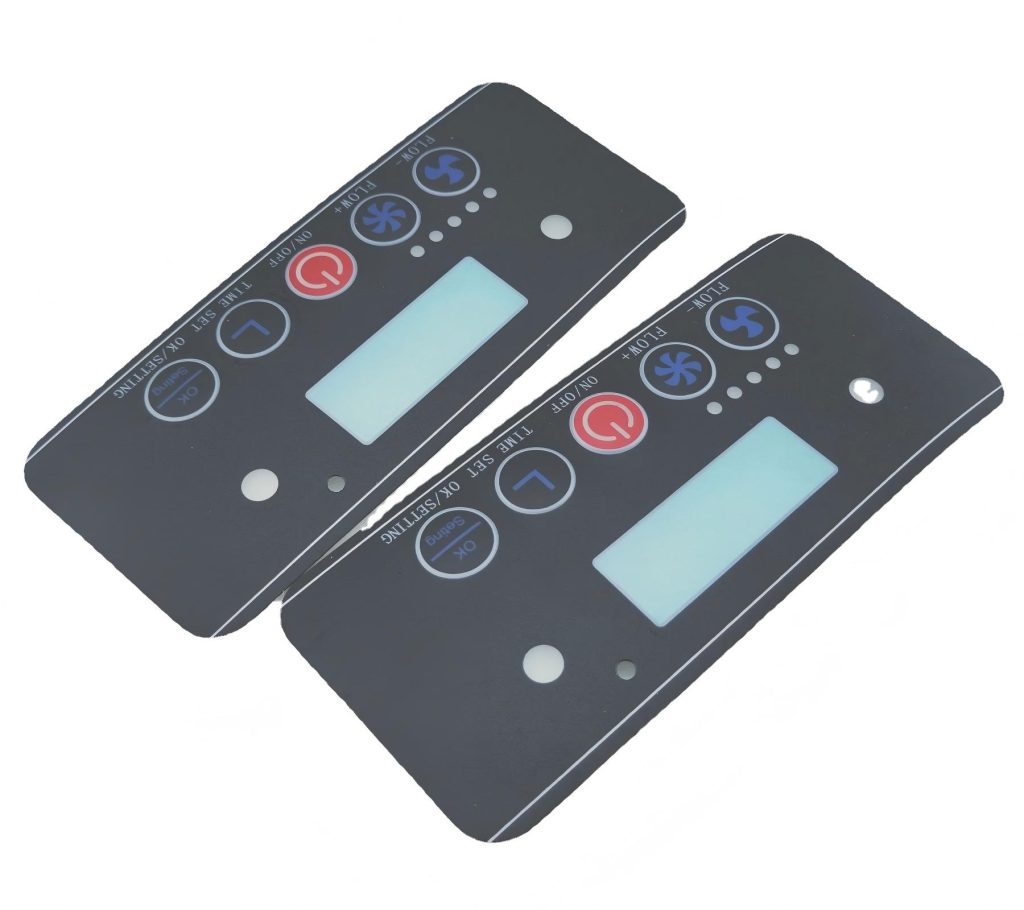
Manufacturers often combine backlighting with transparent windows or printed icons on the overlay layer. When the light activates, the symbols become clearly visible while the rest of the panel remains opaque.
Yu An Electronics supports multiple backlighting options in custom membrane switch designs. Their engineering team works with customers to determine the best lighting solution based on device requirements, brightness needs, and power consumption limits.
Backlit membrane switches are widely used in medical equipment, automotive dashboards, home appliances, and industrial control systems.
Conclusion:
Touch-sensitive membrane switches have become a trusted interface technology in modern electronic equipment. Their thin structure, sealed surface, and flexible customization options allow designers to create control panels that are both practical and visually appealing.
These switches operate through layered conductive circuits that respond quickly to user input. The design offers reliable performance while protecting the internal electronics from dust, moisture, and contamination.
Many industries rely on this technology, including medical equipment, industrial machinery, consumer electronics, and telecommunications devices. The ability to integrate features such as waterproof sealing, tactile feedback, and backlighting further expands the range of applications.
With proper materials and engineering design, touch-sensitive membrane switches can deliver millions of activation cycles while maintaining stable performance.
Manufacturers like Yu An Electronics provide complete customization services, helping customers develop interface panels that match their product requirements. From circuit design to material selection and production, experienced suppliers ensure that the final solution meets both functional and aesthetic expectations.
As electronic devices continue to evolve toward slimmer and smarter designs, touch-sensitive membrane switches will remain an essential component in creating intuitive and reliable user interfaces.
For more information or custom membrane switch solutions, please contact: Email: sales@best-membraneswitch.com
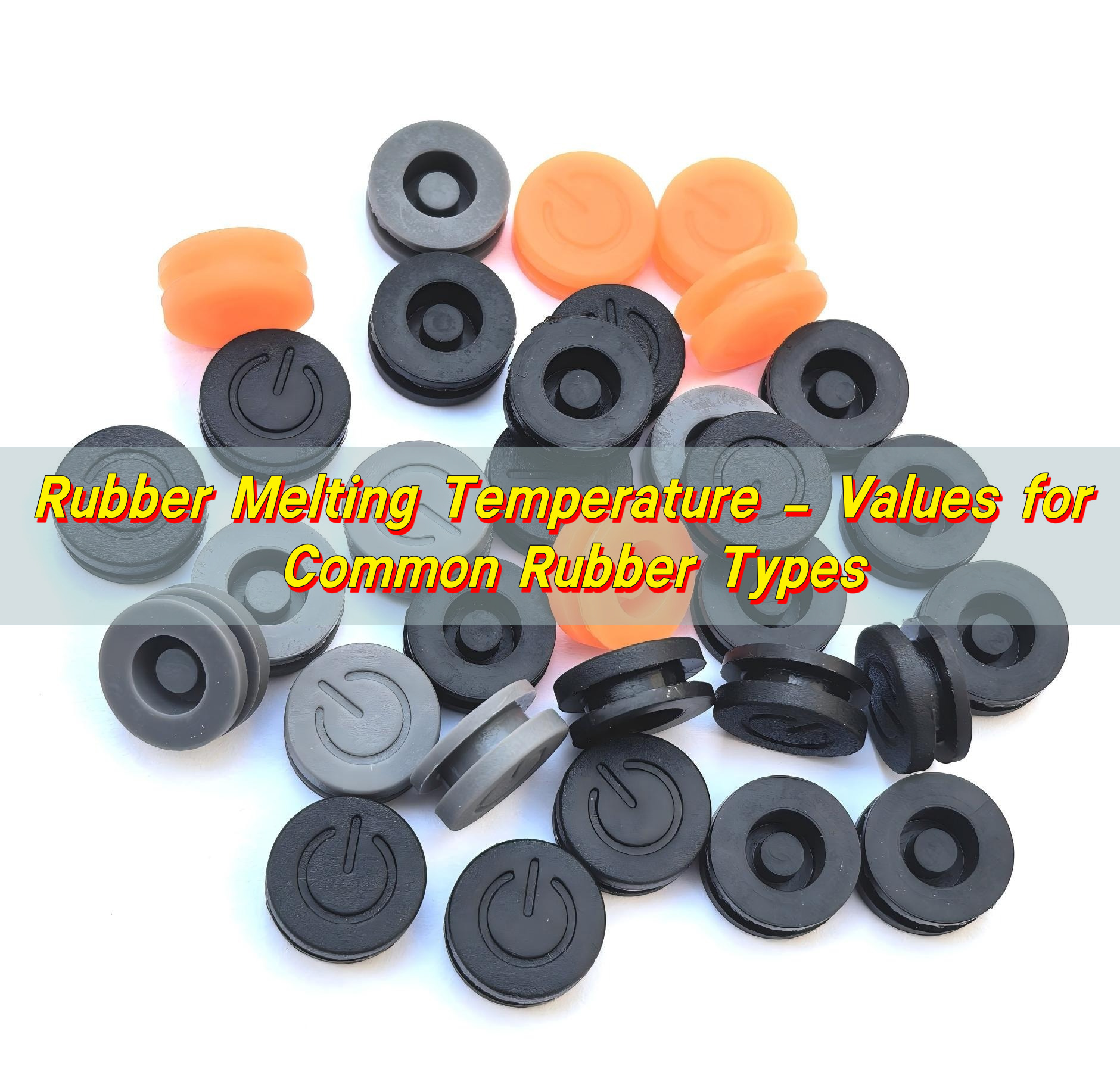
Rubber Melting Temperature – Values for Common Rubber Types
Rubber is widely used in modern manufacturing because it offers flexibility, durability, and reliable performance under different conditions. Engineers rely on rubber materials for seals, keypads, insulation parts, and vibration control components. However, temperature performance is one of the most important properties to consider when selecting a rubber material for any product design. Many people ...
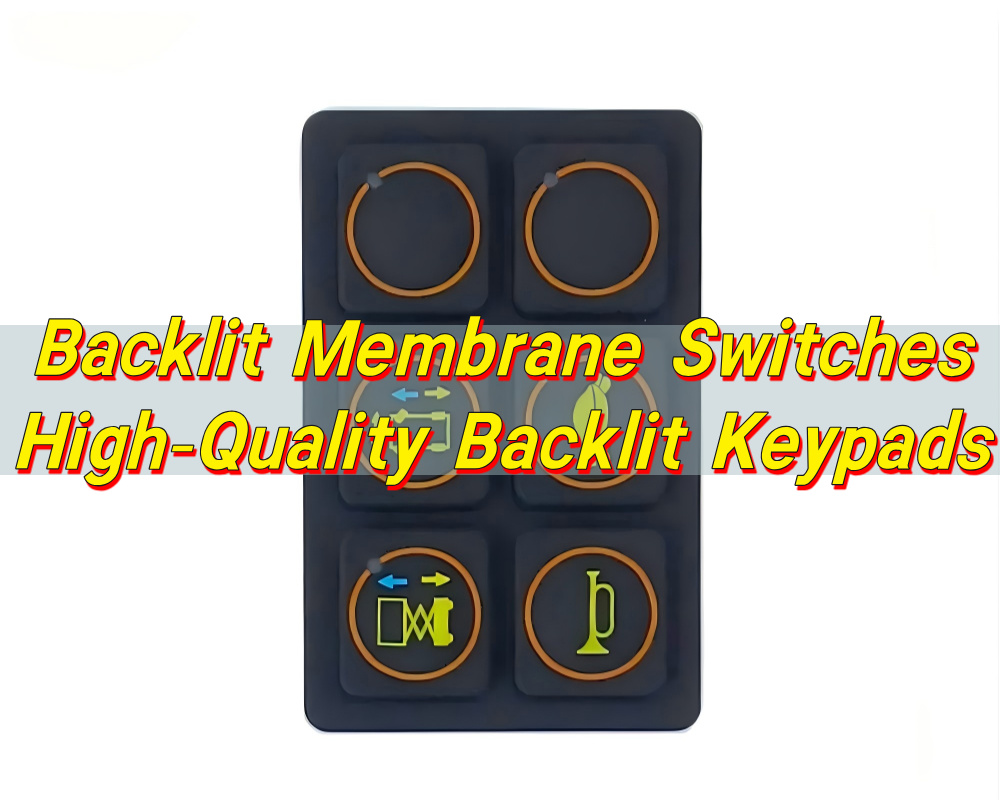
Backlit Membrane Switches – High-Quality Backlit Keypads
We provide reliable backlit membrane switches with long service life, stable backlight, and customizable design to fit your device control panel. What are backlit membrane switches? Backlit membrane switches are low-profile control interfaces that combine printed circuitry with integrated lighting. They allow users to see and operate equipment in low-light or dark environments. A backlit ...
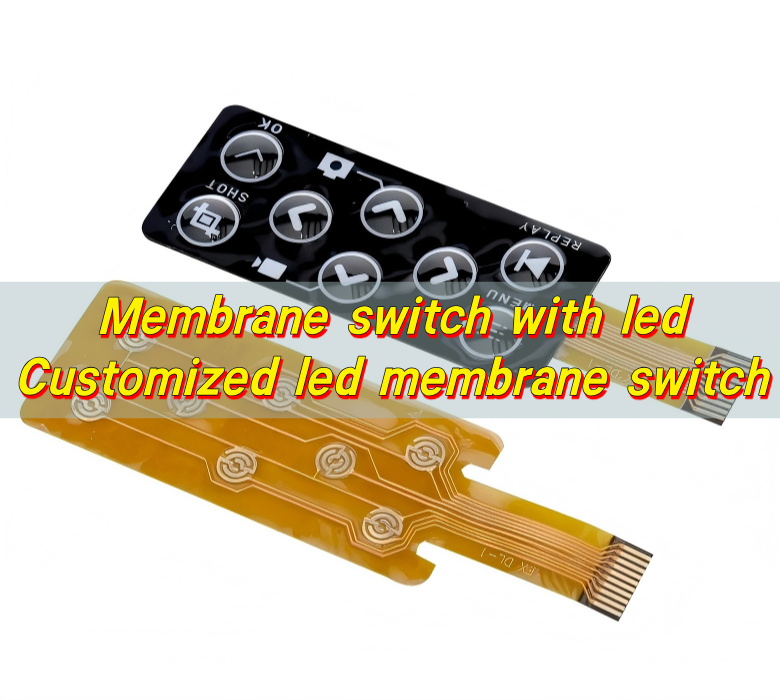
Membrane Switch with LED, Customized LED Membrane Switches
Our LED membrane switches provide bright, even backlighting, long lifespan and reliable performance for control panels in dark environments. What are LED membrane switches? LED membrane switches are advanced user interface panels that combine a flexible membrane circuit with integrated light sources. The structure looks simple from the outside. Inside, it is a layered system ...

Contact us online


