


How to Design a Membrane Switch According to Your Needs
How to Design a Membrane Switch According to Your Needs


As an integrated control system that integrates key functions, indicating components, and instrument panels, membrane switches are beautiful, lightweight, and have excellent conductive properties. Membrane switches have the characteristics of waterproof, dustproof, and anti-static interference during use. It is widely used in electronic communications, medical equipment, industrial control, instrumentation, automotive industry and smart home. The following is a brief introduction to the membrane switch production process.
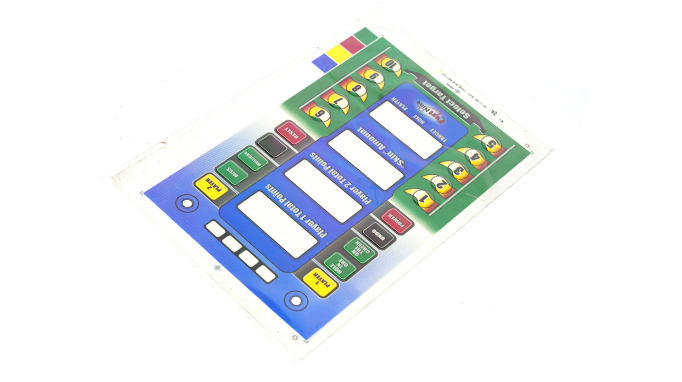
Membrane switch design
The membrane switch has a clear structure, mainly including five structural layers: panel layer, surface adhesive layer, upper circuit, interlayer (isolation layer), lower circuit and back adhesive. The thickness of each structural layer can be designed according to the customer’s specific needs, and the thickness of the membrane switch panel can also be increased by adding interlayers.
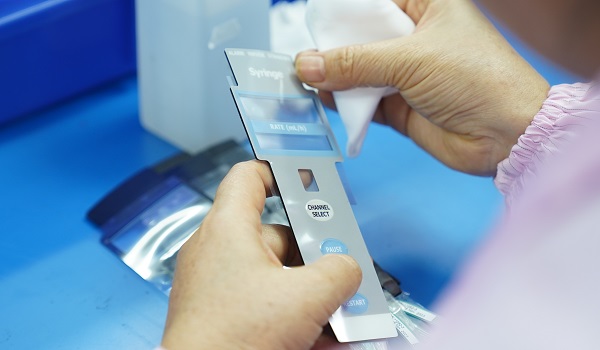
- The panel layer generally uses high-toughness PET or PC light-transmitting colorless sheets. Different patterns can be printed on the panel layer through digital printing technology. Its main function is to function as logos and buttons;
- The surface glue uses 3M glue to tightly adhere the panel to the upper circuit. 3M glue has super strong adhesion effect;
- Both the upper circuit and the lower circuit are made of polyester film (PET) with excellent toughness, screen-printed with conductive silver paste and conductive carbon paste, and dried and aged to make it conductive. For circuit outlets with a plug-in spacing of less than 1mm, the golden finger connection socket is very convenient. It is easy to puncture the silver paste and cause defects. It is recommended to use FPC with strong wear resistance for the entire circuit;
- The interlayer plays the role of insulation and bonding between the upper circuit and the lower circuit;
- For the bottom layer of adhesive, first consider what kind of material it is attached to, and choose a 3M adhesive that can adhere closely to the adhesive surface.
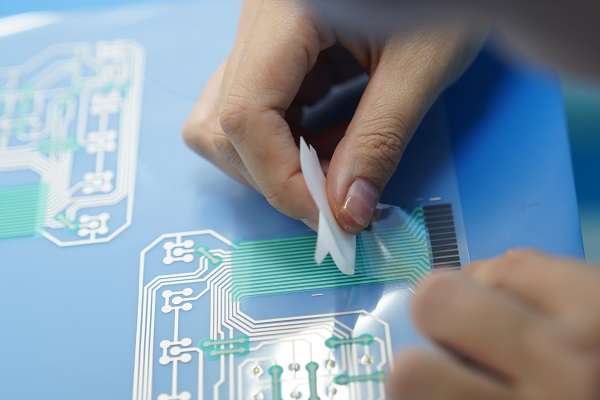
All material selections for membrane switches must take into account the overall sealing, waterproofness, insulation and aging resistance. For membrane switches used outdoors, additional considerations need to be taken into consideration such as wind and rain, seasonal temperature changes, and strong ultraviolet radiation in the sun. envirnmental factor. When designing membrane switches as a whole, engineering designers must take both science and technology into consideration to ensure that the products produced are both stable, reliable, economical and practical.

How Long Does Keyboard Last? Average Lifespan Guide
Understanding how long does keyboard last is not just about numbers—it’s about how design, usage habits, and environmental conditions come together over time. Whether you’re working with a membrane keyboard, a mechanical unit, or a custom membrane keyboard built for industrial use, lifespan varies widely based on real-world factors. How long do keyboards last? Most ...
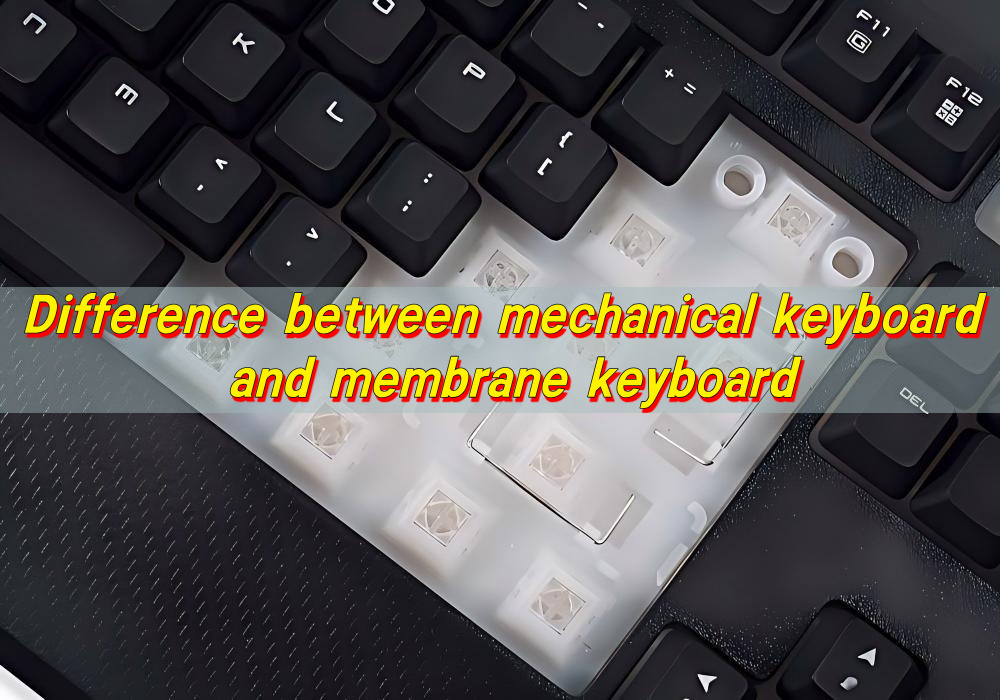
Difference between Mechanical Keyboard and Membrane Keyboard
Choosing between different keyboard technologies is no longer a simple matter of preference. As user expectations continue to evolve—especially in gaming, office productivity, and industrial control systems—the underlying structure of a keyboard plays a decisive role in performance, longevity, and overall user satisfaction. Understanding the difference between mechanical keyboard and membrane keyboard allows buyers and ...
Top Advantages of Using an LGF Membrane Switch in Modern Electronics
Electronics have advanced rapidly over the years. The buttons and controls people use every day have also quietly advanced. Today, thin panel-based controls are replacing old, bulky buttons in almost every industry, and for good reason. Even Lighting Across Every Key Older backlit panels always had that annoying problem of bright spots near the light ...

Contact us online


