

Difference between Mechanical Keyboard and Membrane Keyboard
Difference between Mechanical Keyboard and Membrane Keyboard


Choosing between different keyboard technologies is no longer a simple matter of preference. As user expectations continue to evolve—especially in gaming, office productivity, and industrial control systems—the underlying structure of a keyboard plays a decisive role in performance, longevity, and overall user satisfaction. Understanding the difference between mechanical keyboard and membrane keyboard allows buyers and engineers alike to align their selection with real-world usage needs rather than marketing claims.
Both keyboard types are widely used across industries, yet they are built on fundamentally different engineering principles. These differences influence not only typing experience but also durability, responsiveness, and cost efficiency. By examining their structure, functionality, and application scenarios in detail, it becomes much easier to determine which solution delivers the most value for a given use case.
What is the difference between a mechanical and membrane keyboard?
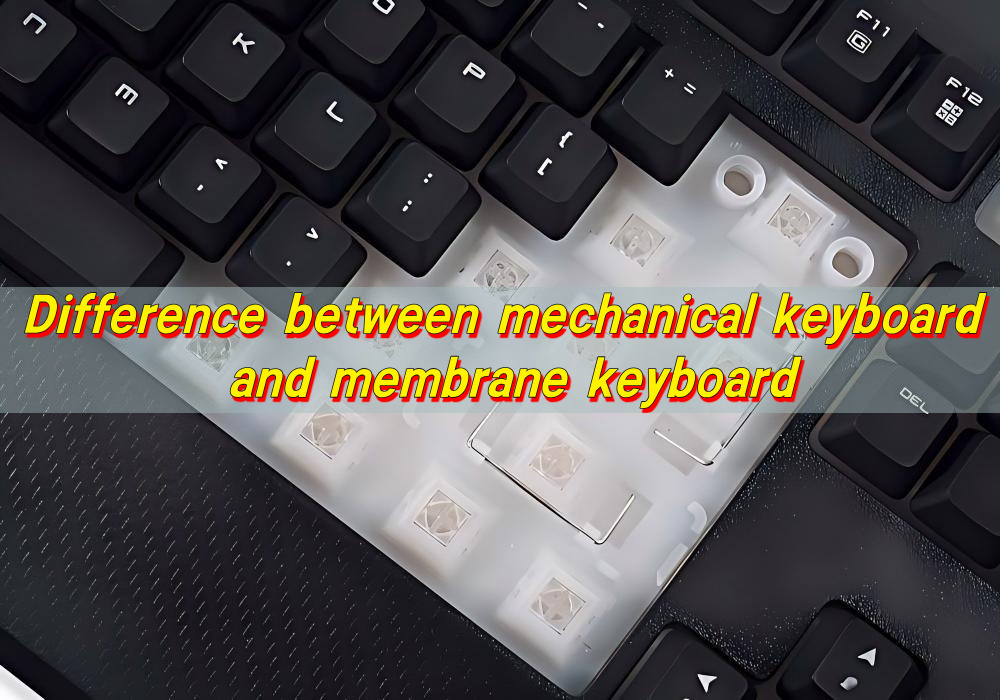
At the core, the difference between mechanical keyboard and membrane keyboard lies in how each keypress is registered and translated into an electrical signal. A mechanical keyboard uses individual mechanical switches beneath every key, meaning each key operates independently with its own set of components. These switches are designed to provide precise actuation, often with a clearly defined tactile or audible response that signals when the key has been activated.
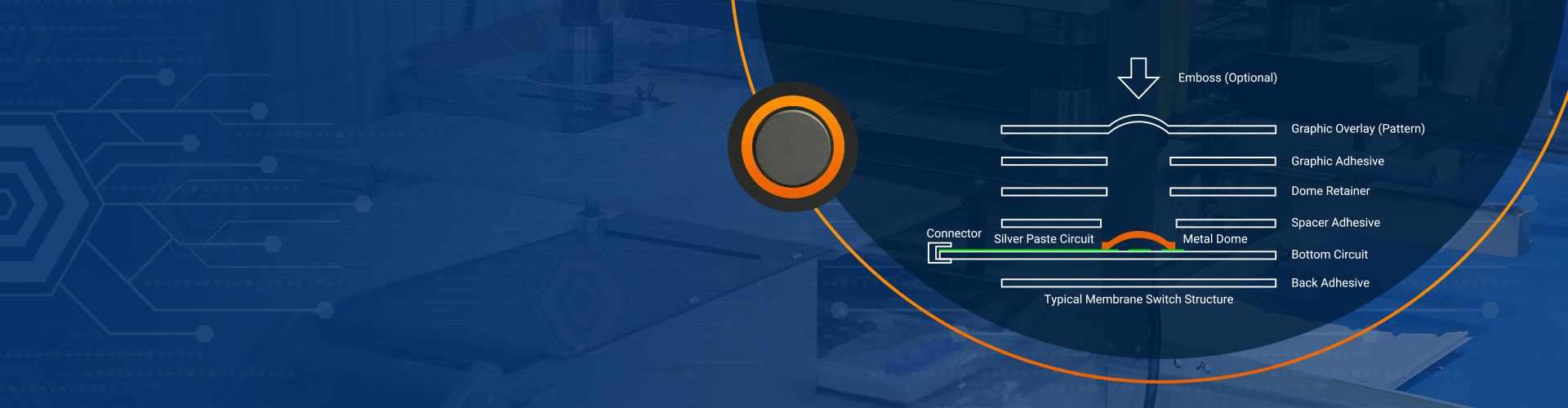
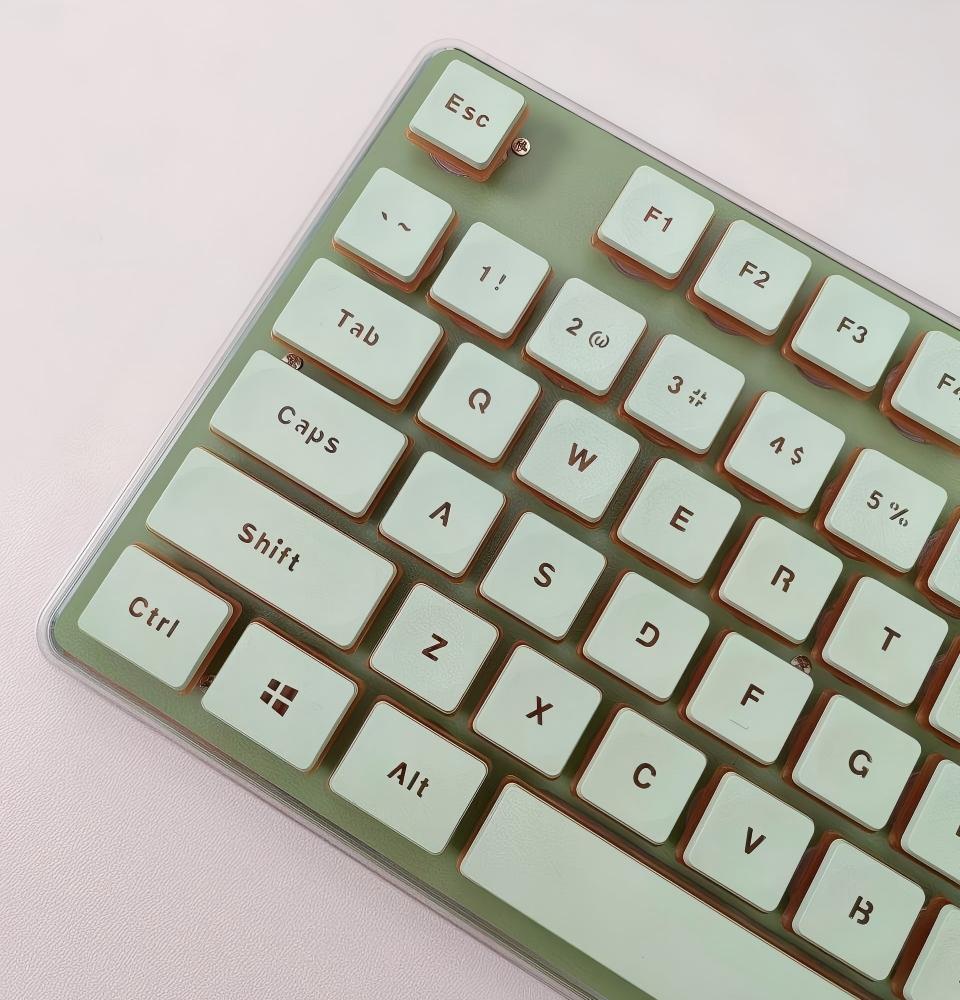
In contrast, a membrane keyboard relies on a pressure-based system formed by multiple flexible layers. When a key is pressed, it compresses a rubber dome or top layer, bringing two conductive traces into contact and completing the circuit. This design prioritizes simplicity and cost efficiency, making it a common choice for consumer electronics and large-scale deployments.
| Feature | Mechanical Keyboard | Membrane Keyboard |
|---|---|---|
| Input mechanism | Individual mechanical switches | Layered membrane circuit |
| Feedback | Tactile and/or audible | Soft and muted |
| Accuracy | High precision | Moderate precision |
| Lifespan | Long-term durability | Shorter lifecycle |
| Cost | Higher upfront investment | Budget-friendly |
| Maintenance | Replaceable components | Typically non-repairable |
While both technologies achieve the same function, their performance characteristics differ significantly, especially in demanding environments where consistency and reliability are critical.
How do mechanical keyboards differ from membrane keyboards in structure?
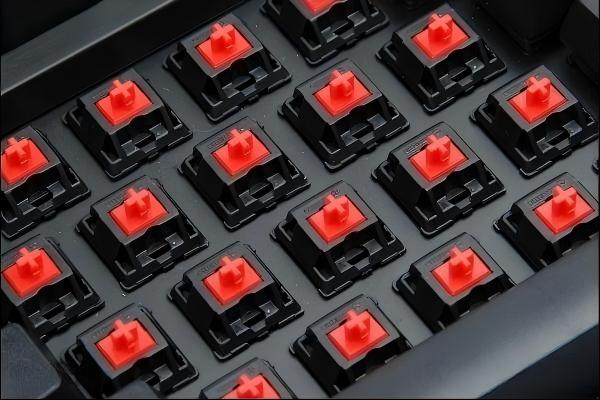
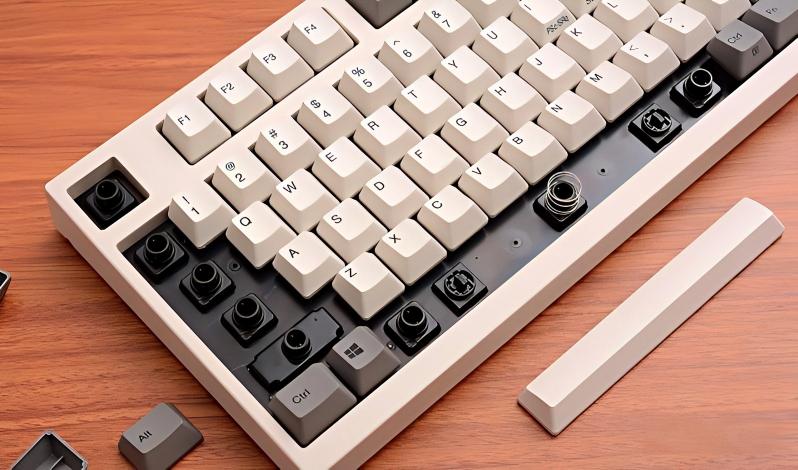
The structural differences between these two keyboard types reveal why their performance varies so much in practice. Mechanical keyboards are built around discrete switch modules, each consisting of a housing, spring, and metal contact system. These switches are mounted on a rigid printed circuit board (PCB), ensuring stability and consistent actuation across all keys. Because each key is independent, users can replace or customize switches, which adds flexibility and extends product lifespan.
Membrane keyboards, by comparison, use a layered construction that typically includes a top circuit layer, a spacer layer, and a bottom conductive layer. A rubber dome sheet sits above these layers and provides the rebound force after each press. When pressure is applied, the dome collapses and pushes the top layer into contact with the bottom layer, completing the circuit. This design is compact and efficient, but it relies heavily on material elasticity, which can gradually change over time.
A closer look at structural characteristics highlights the differences:
- Mechanical keyboards maintain consistent actuation force due to independent switches
- Membrane keyboards depend on uniformity of rubber domes and material quality
- Mechanical designs support modular replacement and customization
- Membrane structures allow thinner profiles and lighter weight
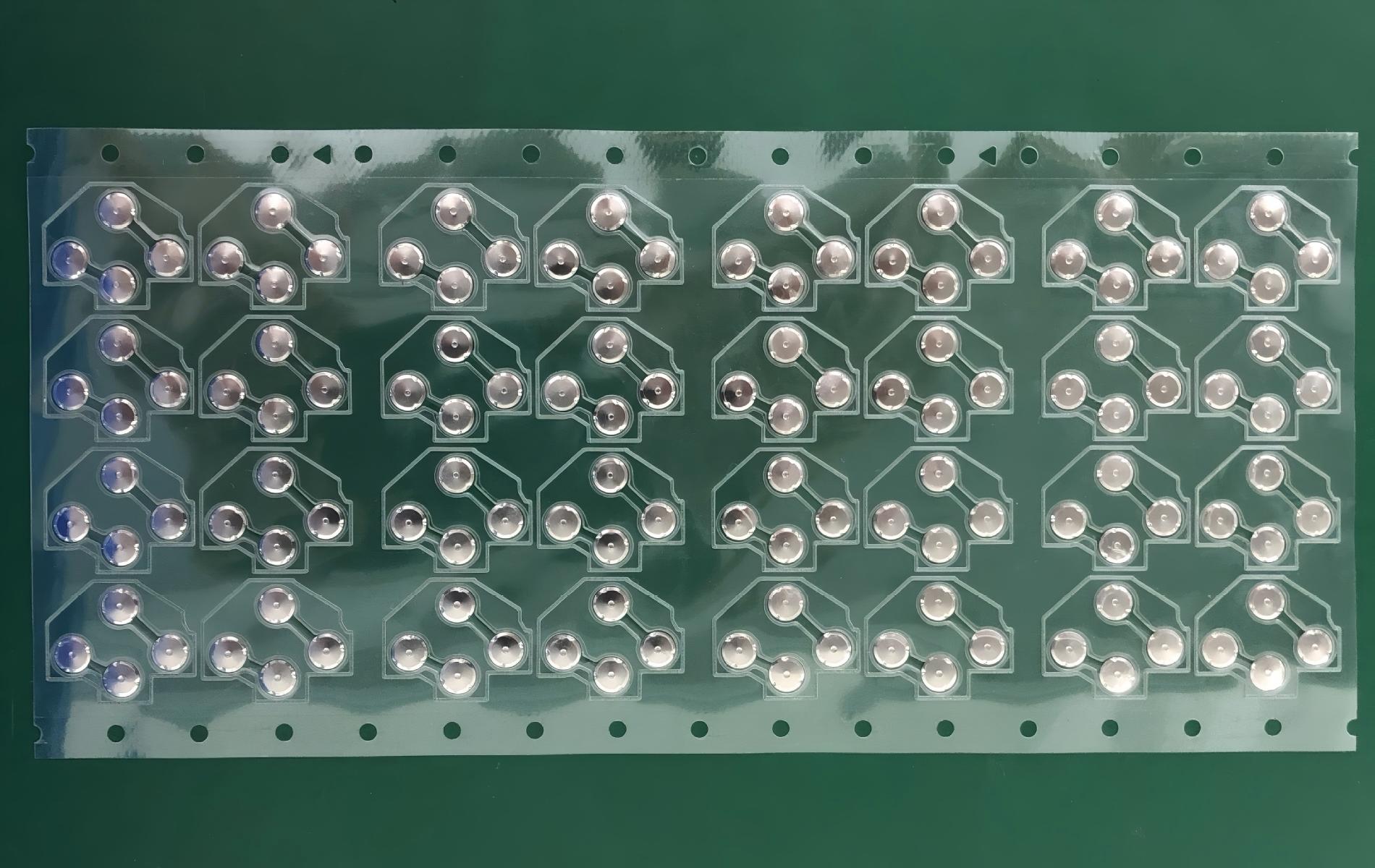
In advanced applications, the gap between these two structures is often bridged by metal dome technology. Companies such as Best Technology integrate stainless steel domes into membrane systems, creating a more defined tactile response while preserving a compact and sealed design. This hybrid approach is widely used in industrial control panels and compact electronic devices where both feedback and durability are essential.
Which keyboard type is more durable, mechanical or membrane?
Durability is one of the most practical considerations when comparing keyboard technologies, particularly for users who rely on consistent performance over extended periods. Mechanical keyboards are widely recognized for their long service life, with individual switches often rated for tens of millions of keystrokes. This longevity is achieved through robust materials and precise engineering, allowing the keyboard to maintain consistent performance even after years of intensive use.
Membrane keyboards, while reliable for everyday tasks, generally have a shorter operational lifespan. The rubber dome layer gradually loses elasticity with repeated use, which can result in reduced responsiveness and a less defined typing experience. Although modern manufacturing techniques have improved their durability, they still tend to wear faster compared to mechanical designs.
The durability comparison can be summarized as follows:
| Aspect | Mechanical Keyboard | Membrane Keyboard |
|---|---|---|
| Expected lifespan | 50–100 million presses | 5–10 million presses |
| Wear resistance | High | Moderate |
| Performance consistency | Stable over time | Gradual decline |
| Repair options | Switch replacement possible | Limited repairability |
For applications that demand long-term reliability—such as industrial equipment or high-frequency data entry—mechanical keyboards or enhanced membrane systems with metal domes provide a more dependable solution.
Is a mechanical keyboard better for typing than a membrane keyboard?
Typing efficiency is closely tied to feedback and actuation consistency, which is where mechanical keyboards often stand out. Each keystroke provides a clear activation point, allowing users to type with greater confidence and reduced error rates. This tactile precision helps minimize unnecessary force, which can improve comfort during long typing sessions and increase overall productivity.
Membrane keyboards, on the other hand, offer a softer and more cushioned typing experience. This can feel comfortable initially, especially for users who prefer a quieter and less rigid interface. However, the lack of a distinct actuation point may require users to press keys more firmly, which can affect typing speed and consistency over time.
In practical terms, mechanical keyboards are often preferred by professionals who require accuracy and speed, such as programmers, writers, and data analysts. Membrane keyboards remain a solid choice for general office use, particularly in environments where noise reduction is a priority.
Why are mechanical keyboards more expensive than membrane keyboards?
The price difference between mechanical and membrane keyboards reflects the complexity of their design and manufacturing processes. Mechanical keyboards require individual switches for every key, each consisting of multiple precision-engineered components. This increases both material costs and assembly time, especially when high-quality switches and durable housings are used.
Membrane keyboards are designed for efficiency and scalability. Their layered construction can be produced in large volumes with relatively low material costs, making them an economical option for mass-market products. This simplicity allows manufacturers to offer competitive pricing without compromising basic functionality.
Several factors contribute to the higher cost of mechanical keyboards, including component count, material quality, and customization options. While the initial investment may be higher, the extended lifespan and consistent performance often make them a cost-effective choice over time.
Are mechanical keyboards noisier than membrane keyboards?
Noise level is an important consideration, especially in shared workspaces or quiet environments. Mechanical keyboards are often associated with audible feedback, particularly those equipped with clicky switches. The sound is generated by both the internal mechanism and the interaction between keycaps and switches during actuation.
Membrane keyboards are naturally quieter due to their rubber dome structure, which absorbs much of the impact energy. This results in a softer and more subdued typing sound, making them suitable for environments where minimal noise is preferred.
It is worth noting that not all mechanical keyboards are loud. Many modern designs incorporate silent switches or dampening features that significantly reduce noise levels. This allows users to enjoy the benefits of mechanical precision without compromising on acoustic comfort.
Which keyboard type is better for gaming and competitive use?
Gaming performance places a strong emphasis on responsiveness, precision, and durability, all of which are areas where mechanical keyboards typically excel. The fast actuation and consistent feedback of mechanical switches allow for quicker reaction times, which can be critical in competitive scenarios. Additionally, features such as anti-ghosting and n-key rollover are more commonly optimized in mechanical designs.
Membrane keyboards can still perform well for casual gaming, offering a smooth and quiet experience. However, they may not provide the same level of responsiveness or consistency under intensive use. For players who require precise control and rapid input, mechanical keyboards generally offer a more reliable platform.
That said, membrane keyboards continue to be used in gaming setups where affordability and noise reduction are key considerations, demonstrating that both technologies have their place depending on user priorities.
How does the typing feel differ between mechanical and membrane keyboards?
Typing feel is often the most noticeable difference for users transitioning between keyboard types. Mechanical keyboards deliver a structured and responsive sensation, with each keypress providing a clear indication of activation. This creates a sense of control that many users find highly satisfying, especially during extended typing sessions.
Membrane keyboards provide a smoother and more uniform feel, with less resistance and a softer landing. This can be appealing for users who prefer a gentler typing experience, although it may lack the precision of mechanical feedback.
The contrast can be summarized clearly:
| Feature | Mechanical Keyboard | Membrane Keyboard |
|---|---|---|
| Feedback | Defined and tactile | Soft and gradual |
| Actuation point | Clear and consistent | Less distinct |
| Key response | Crisp | Cushioned |
| User experience | Controlled and precise | Smooth and quiet |
In many industrial and compact electronic designs, metal dome arrays offer a balanced alternative. By integrating metal domes into membrane structures, manufacturers like Best Technology achieve a more responsive feel while maintaining a low-profile design, making them suitable for applications where space and performance must coexist.
Can mechanical keyboards last longer than membrane keyboards?
Mechanical keyboards are widely recognized for their longevity, largely due to the durability of their switch mechanisms. Each switch operates independently and is designed to maintain consistent performance across millions of cycles. This makes mechanical keyboards a reliable choice for users who demand long-term stability.
Membrane keyboards, while functional and efficient, tend to experience gradual wear as the rubber dome material degrades. Over time, this can lead to reduced responsiveness and a less satisfying typing experience. Despite these limitations, membrane keyboards remain a practical option for many applications due to their affordability and simplicity.
For long-term use, mechanical keyboards or advanced dome-based solutions provide a clear advantage, particularly in environments where reliability is critical.
What are the advantages of membrane keyboards over mechanical ones?
Membrane keyboards continue to hold strong relevance in the market due to their unique advantages. Their cost-effectiveness makes them ideal for large-scale deployment, while their quiet operation suits environments where minimal noise is required. Additionally, their compact and lightweight design allows for greater flexibility in product integration.
Some key advantages include:
- Lower manufacturing and purchase cost
- Quiet and unobtrusive operation
- Slim and lightweight construction
- Better resistance to dust and moisture when sealed
- Suitable for mass production and embedded systems
Modern membrane designs have also evolved significantly. With the integration of metal dome arrays, manufacturers such as Best Technology enhance tactile feedback and durability without sacrificing the benefits of a compact structure. This makes membrane-based solutions increasingly competitive in applications that require both performance and efficiency.
Summary:
The difference between mechanical keyboard and membrane keyboard ultimately comes down to design philosophy and application needs. Mechanical keyboards offer precision, durability, and a refined typing experience, making them ideal for professionals and competitive users. Membrane keyboards provide affordability, quiet operation, and design flexibility, making them well-suited for everyday use and integrated systems.
As technology continues to advance, hybrid solutions like metal dome arrays are redefining expectations, combining the strengths of both approaches into a single, efficient design. Selecting the right keyboard is not about choosing the “better” option universally, but about aligning features with real-world requirements.
For more information about high-quality metal dome solutions and custom tactile components, you can visit: sales@best-membraneswitch.com

How Long Does Keyboard Last? Average Lifespan Guide
Understanding how long does keyboard last is not just about numbers—it’s about how design, usage habits, and environmental conditions come together over time. Whether you’re working with a membrane keyboard, a mechanical unit, or a custom membrane keyboard built for industrial use, lifespan varies widely based on real-world factors. How long do keyboards last? Most ...
Top Advantages of Using an LGF Membrane Switch in Modern Electronics
Electronics have advanced rapidly over the years. The buttons and controls people use every day have also quietly advanced. Today, thin panel-based controls are replacing old, bulky buttons in almost every industry, and for good reason. Even Lighting Across Every Key Older backlit panels always had that annoying problem of bright spots near the light ...

Understanding the Benefits of Using Tactile Membrane Switch
Modern devices use a tactile membrane switch as it is durable, attractive, and user-friendly. These switches have a user-friendly interface. As users press them, they receive a physical response to understand their input is correct. A tactile membrane switch enables users to access different applications accurately. Here are some benefits of the switch. Read on ...

Contact us online


