

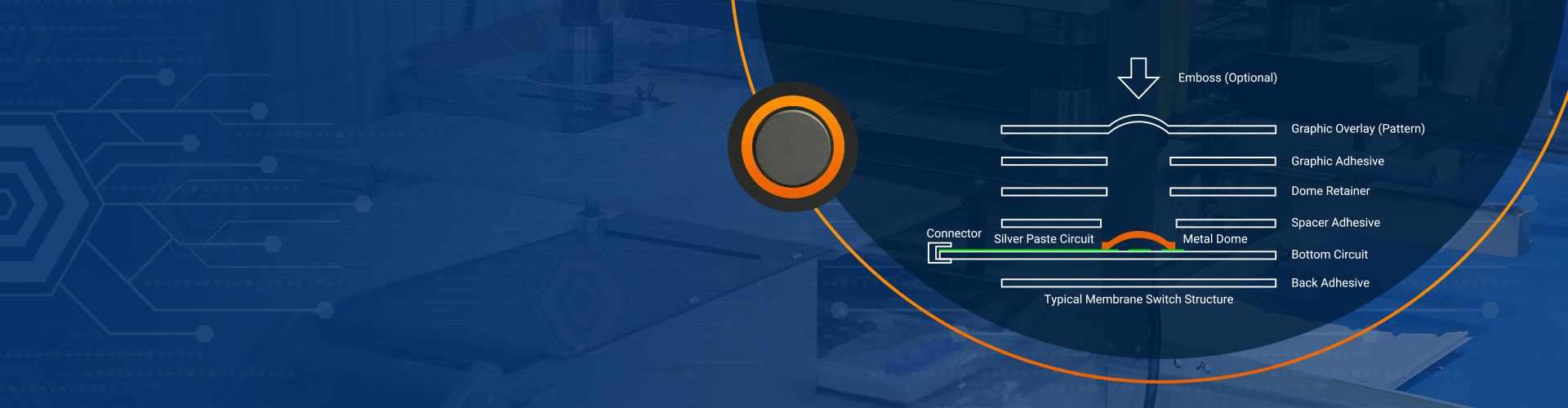
What is rubber dome keyboard? Rubber keyboard
What is rubber dome keyboard? Rubber keyboard


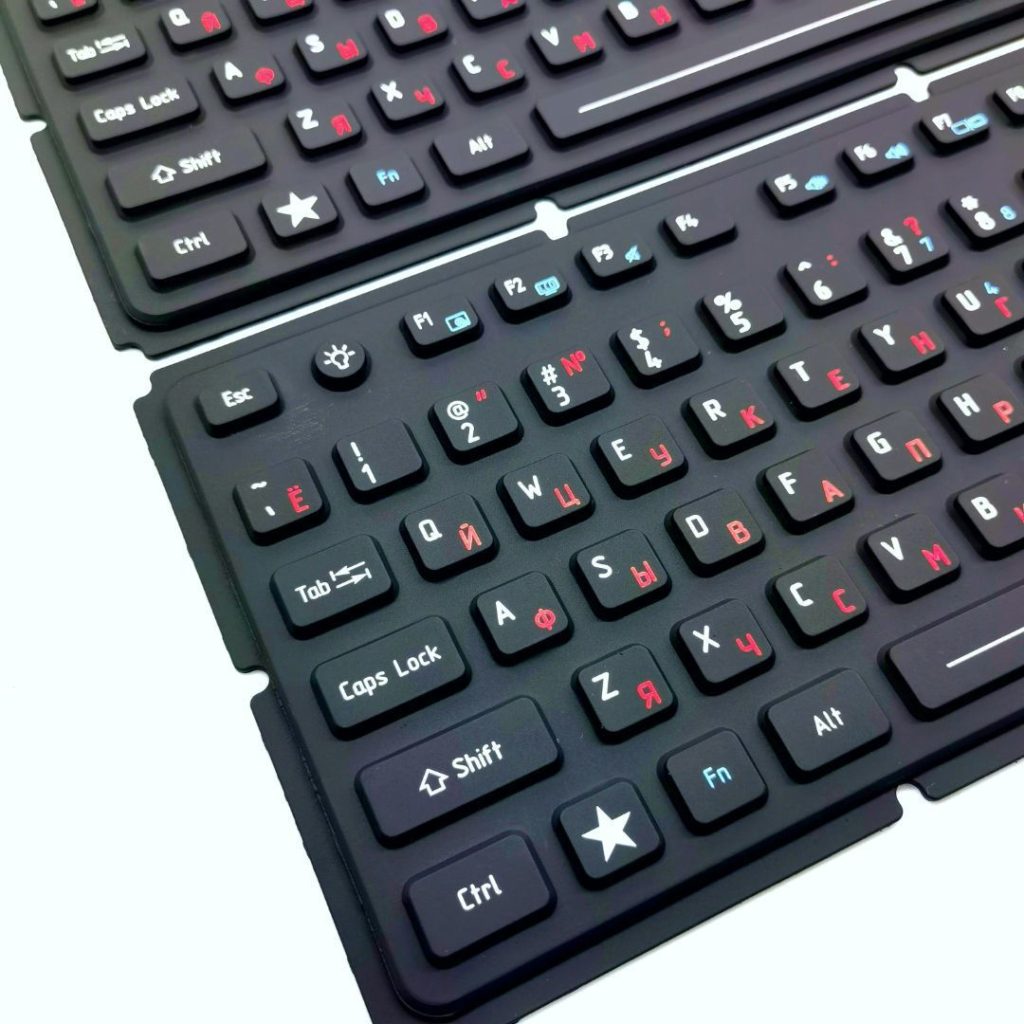
Rubber keyboard is known for its soft feel, quiet operation, and reliable everyday performance. A rubber dome keyboard is a keyboard that uses a flexible rubber dome under each key to register input. When a key is pressed, the dome collapses and makes contact with the circuit below, sending a signal, then springs back when released.
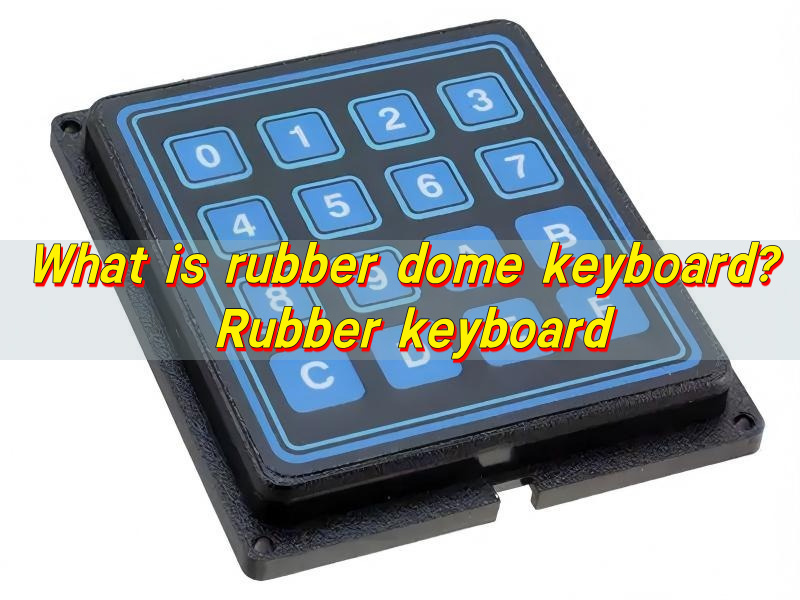
What Is a Rubber Dome Keyboard?
Rubber dome keyboard is one of the most widely used input devices in modern electronics, even though many people rarely think about what sits beneath each key. At its core, this type of keyboard relies on a flexible rubber layer that provides both resistance and tactile feedback when a key is pressed. The design is simple, cost-effective, and proven through decades of daily use in offices, homes, schools, and industrial environments.
Inside a rubber keyboard, eaRch key rests on a small dome made from silicone or synthetic rubber. When you press a key, the dome compresses downward. This movement forces a conductive pad at the bottom of the dome to touch a printed circuit layer below. Once contact is made, the circuit closes, and the keyboard sends a signal to the device. When the finger lifts, the rubber dome springs back to its original shape, ready for the next press.
This structure explains why rubber dome keyboards feel soft and slightly cushioned. The resistance does not come from metal springs or rigid parts. Instead, it comes from the elasticity of the rubber itself. That elasticity also helps absorb impact, which reduces noise and finger strain during long typing sessions.
Rubber dome keyboards appear in many forms. Full-size desktop keyboards often use this technology. Laptop keyboards rely on it as well, although their domes are thinner and tuned for shorter travel. Industrial control panels, medical equipment, and point-of-sale terminals frequently use sealed rubber keyboards because they tolerate dust, moisture, and repeated cleaning.
From a manufacturing perspective, rubber dome keyboards are efficient to produce at scale. The rubber sheet can be molded in one piece, aligned with the circuit layer, and assembled quickly. This efficiency is one reason the rubber keyboard became the default choice for mass-market computers during the personal computing boom and remains dominant today.
While mechanical keyboards attract attention in enthusiast circles, the rubber dome keyboard quietly serves the majority of users worldwide. Its success comes not from novelty, but from balance. It offers acceptable feel, low noise, reliability, and an accessible price point, all in a compact structure that adapts well to many products.
Are Rubber Dome Switches Good?
For most everyday users, these switches deliver consistent performance without demanding adjustment or special care. That reliability is why they remain a standard choice in workplaces and public environments.
One major advantage of rubber dome switches is uniformity. Because the domes are molded in controlled conditions, the force required to press each key tends to be similar across the keyboard. This consistency helps new users adapt quickly. There is no learning curve tied to unusual resistance or click behavior.
Comfort is another strong point. The soft compression of rubber cushions each keystroke. Over long periods, this can reduce finger fatigue, especially for users who type continuously. The sound profile is also subdued. Offices, libraries, and shared spaces benefit from the quiet nature of rubber keyboard designs.
Durability is often misunderstood. While individual rubber domes can wear out over extreme cycles, most are rated for millions of presses. For typical office or home use, that lifespan is more than sufficient. In addition, modern rubber compounds resist cracking, drying, and deformation better than early versions.
Rubber dome switches also allow flexible design choices. Engineers can adjust dome thickness, shape, and material to tune the force curve. This means a keyboard can be designed to feel light and fast or firm and deliberate, depending on the application.
Of course, rubber dome switches do not aim to satisfy every niche preference. They prioritize balance rather than extreme tactile feedback. That choice is intentional. For the majority of users, predictable response and low noise matter more than distinctive key feel. In that context, rubber dome switches perform their role well and continue to justify their widespread use.
Are Rubber Dome Keyboards Good for Gaming?
Gaming places unique demands on input devices, and the suitability of a rubber dome keyboard depends on the type of games and the player’s expectations. For many gamers, especially casual and mid-level players, a rubber keyboard performs reliably and comfortably.
Response time is often a concern. In practice, the electrical actuation speed of a rubber dome keyboard is fast enough for most games. The difference compared with other technologies is measured in milliseconds, which rarely affects real-world performance outside of elite competitive play. For strategy games, role-playing games, and general action titles, rubber dome keyboards respond accurately.
Key rollover and ghosting are more relevant factors. Many modern rubber keyboards support multiple simultaneous key presses through improved circuit design. While not all models offer advanced rollover features, many gaming-oriented rubber keyboards do address this need effectively.
Comfort also plays a role in long gaming sessions. The softer keystroke of a rubber dome keyboard reduces impact stress on fingers. This can be beneficial during extended play, where fatigue becomes a limiting factor. The quieter operation also helps maintain focus, especially in shared living spaces.
Durability under gaming conditions is generally acceptable. Rubber domes handle repeated presses well, and the absence of metal components reduces mechanical wear. Spills and dust are less likely to cause immediate failure in sealed rubber keyboard designs, which appeals to gamers who value resilience.
That said, highly competitive players may prefer a different feel. They often seek sharper tactile cues or faster reset points. These preferences are subjective rather than universal. For a large portion of the gaming community, a well-designed rubber dome keyboard delivers dependable performance without distraction.
In summary, rubber dome keyboards are suitable for gaming in many scenarios. They offer comfort, quiet operation, and reliable response. While they may not dominate esports stages, they remain a practical and accessible choice for millions of players worldwide.
What Is the Difference Between Mechanical and Rubber Keyboards?
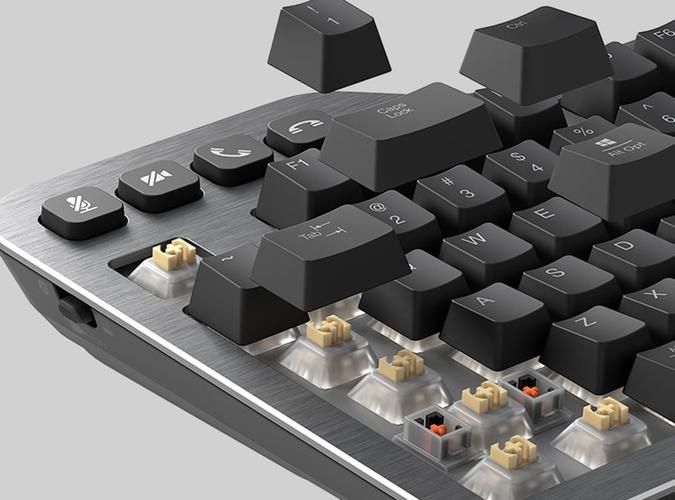
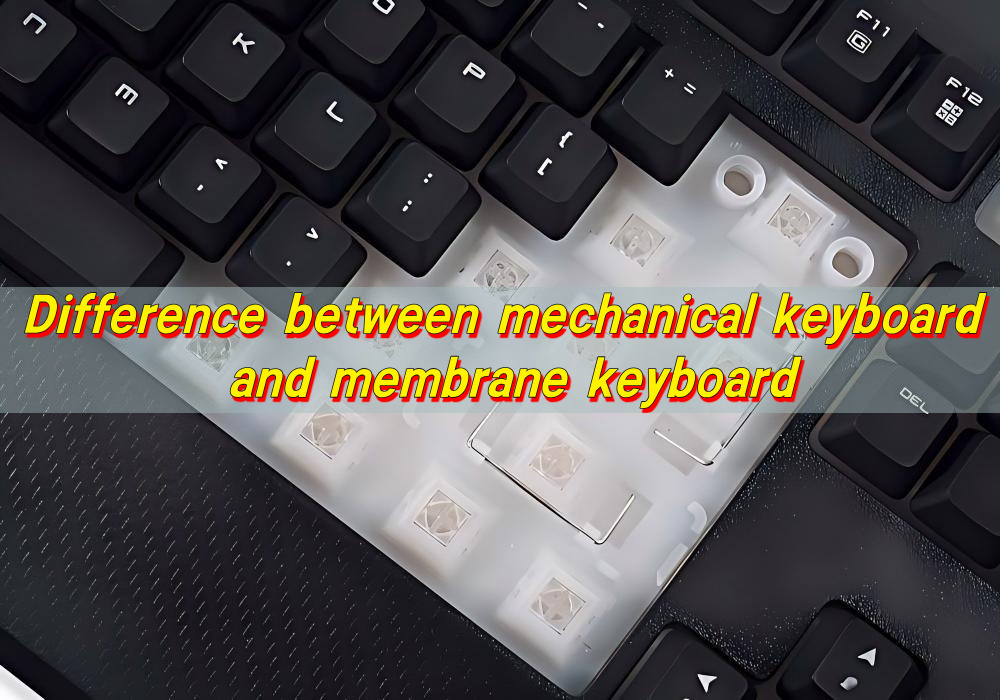
The difference between mechanical and rubber keyboards lies primarily in how each key press is detected and how the user experiences that press. Understanding this distinction helps clarify why both types coexist and serve different audiences.
A rubber keyboard uses a flexible dome to provide resistance and signal actuation. The dome collapses under pressure and rebounds when released. This design integrates the spring action and the electrical contact into one component. The result is a smooth, cushioned keystroke.
Mechanical keyboards use individual switches under each key. These switches rely on metal springs and separate contact points. Each switch is a self-contained unit, often designed to produce a distinct tactile or audible response. The feel is more pronounced and often described as crisp.
From a sound perspective, rubber keyboards are quieter. The rubber absorbs impact and dampens vibration. Mechanical keyboards, depending on switch type, can produce noticeable clicks or clacks. This difference matters in shared environments.
Maintenance and cost also differ. Rubber keyboards are simpler to assemble and replace. They are typically more affordable and easier to seal against contaminants. Mechanical keyboards involve more components and higher production costs, which reflect in their price.
Longevity is often discussed. Mechanical switches are rated for very high press counts. Rubber domes also last millions of cycles, although extreme users may notice softening over time. For most users, both options exceed practical lifespan needs.
The choice ultimately comes down to preference and context. A rubber keyboard emphasizes comfort, quiet operation, and value. A mechanical keyboard emphasizes distinctive feel and customization. Neither approach is inherently superior. Each serves a different set of priorities, and both continue to evolve with user expectations.
How to Clean a Rubber Keyboard?
Cleaning a rubber keyboard is straightforward, yet doing it correctly extends its lifespan and preserves consistent feel. Regular maintenance also improves hygiene, especially in shared or professional settings.
Begin by disconnecting the keyboard from its device. This step prevents accidental input and protects electronics during cleaning. Turn the keyboard upside down and gently shake it to remove loose debris. Small particles often fall out easily.
For surface cleaning, use a soft cloth lightly dampened with water. Wipe the keys and surrounding areas with steady motion. Avoid excessive moisture, as liquid should never pool around keys. For stubborn spots, a mild soap solution can help, provided it is well diluted.
If deeper cleaning is needed, compressed air can dislodge dust between keys. Short bursts work best. This method avoids direct contact and reduces risk of damage.
Some rubber keyboards allow key removal. If the design permits, remove keys carefully and wash them separately in warm water with mild soap. Allow them to dry completely before reassembly. Patience matters here, as residual moisture can affect performance.
For sealed rubber keyboards used in industrial or medical environments, wiping with approved disinfectants is often acceptable. Always follow manufacturer guidelines to avoid degrading the rubber material.
Regular cleaning keeps the rubber surface resilient and responsive. It also maintains a professional appearance and pleasant typing experience. With minimal effort, a rubber keyboard can remain reliable and comfortable for years.
What Is the Rubber Thing on the Keyboard?
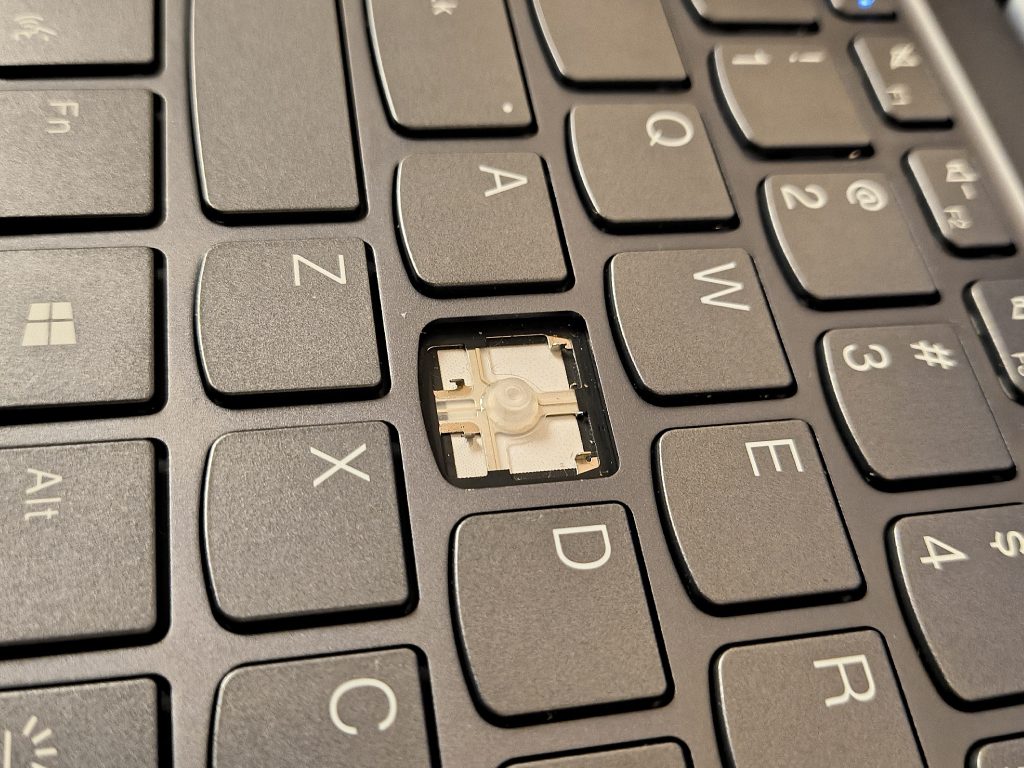
The rubber component inside a keyboard serves multiple roles at once. It acts as a spring, a cushion, and a contact mechanism. This multifunctional design is central to the identity of a rubber keyboard.
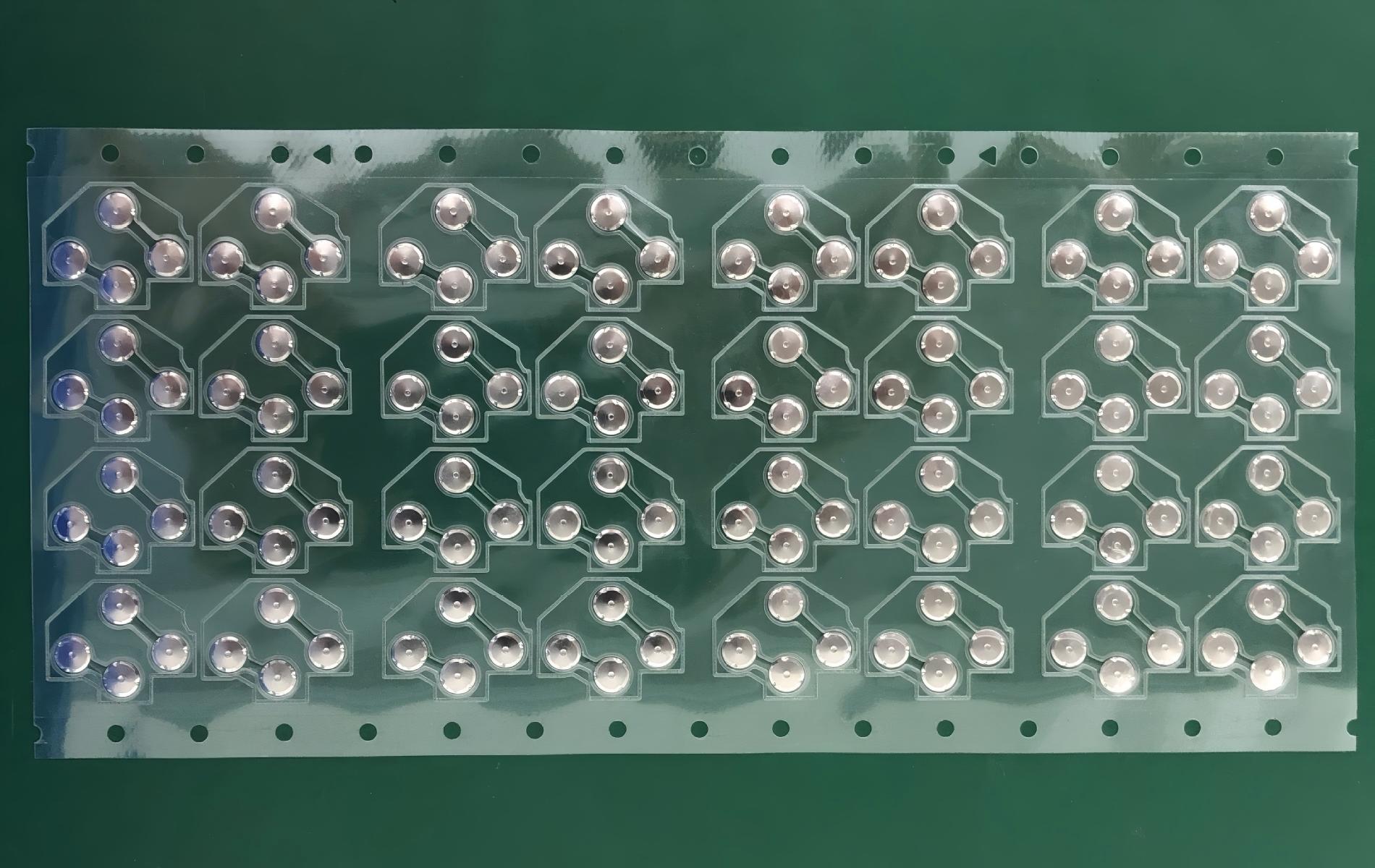
That rubber layer is usually made from silicone or similar elastomers. It is molded into a sheet containing many small domes, each aligned with a key. When pressed, a dome collapses in a controlled way. At the bottom of the dome sits a conductive surface that completes the circuit below.
Beyond actuation, the rubber layer absorbs shock. This reduces noise and protects the underlying circuit from stress. It also creates a forgiving typing surface, which many users find comfortable during extended use.
The rubber material also contributes to environmental resistance. It can form a barrier against dust and minor spills. In sealed designs, it prevents contaminants from reaching sensitive electronics. This property makes rubber keyboards popular in harsh or hygienic environments.
In short, the rubber element is not an accessory. It is the heart of the keyboard’s function. Its simplicity and effectiveness explain why this design remains relevant despite changing trends in input technology.
What Is the Rubber Thing Under a Keyboard Key Called?
The rubber structure under each key is commonly called a rubber dome. This term describes both its shape and function. Each dome is a small, flexible mound designed to compress and rebound predictably.
A rubber dome provides resistance when a key is pressed. As it collapses, it reaches a point where the conductive pad touches the circuit. This moment marks actuation. When pressure is released, the dome returns to its original form, lifting the key back up.
The design of the rubber dome influences key feel. Factors such as height, wall thickness, and material hardness determine how much force is needed and how the keystroke feels. Engineers adjust these parameters to match specific use cases.
Rubber domes are typically arranged in a grid on a single sheet. This layout ensures alignment and simplifies assembly. It also allows consistent performance across the keyboard.
Although simple in appearance, the rubber dome represents careful engineering. It balances comfort, durability, and cost in a way few alternatives can match. This balance is why the rubber dome remains a defining feature of the rubber keyboard.
Summary
A rubber dome keyboard uses flexible rubber domes to register key presses with comfort, quiet operation, and dependable performance. Rubber keyboards dominate everyday computing because they balance cost, reliability, and ease of use. They suit offices, homes, gaming setups, and demanding environments alike. While preferences vary, the rubber dome design continues to meet real-world needs with proven efficiency and thoughtful engineering.
If you would like to learn more about rubber keyboard solutions or explore custom designs for your application, please contact us at sales@best-membraneswitch.com
.

How Long Does Keyboard Last? Average Lifespan Guide
Understanding how long does keyboard last is not just about numbers—it’s about how design, usage habits, and environmental conditions come together over time. Whether you’re working with a membrane keyboard, a mechanical unit, or a custom membrane keyboard built for industrial use, lifespan varies widely based on real-world factors. How long do keyboards last? Most ...
Difference between Mechanical Keyboard and Membrane Keyboard
Choosing between different keyboard technologies is no longer a simple matter of preference. As user expectations continue to evolve—especially in gaming, office productivity, and industrial control systems—the underlying structure of a keyboard plays a decisive role in performance, longevity, and overall user satisfaction. Understanding the difference between mechanical keyboard and membrane keyboard allows buyers and ...
Top Advantages of Using an LGF Membrane Switch in Modern Electronics
Electronics have advanced rapidly over the years. The buttons and controls people use every day have also quietly advanced. Today, thin panel-based controls are replacing old, bulky buttons in almost every industry, and for good reason. Even Lighting Across Every Key Older backlit panels always had that annoying problem of bright spots near the light ...

Contact us online


