


Membrane Switch with LED, Customized LED Membrane Switches
Membrane Switch with LED, Customized LED Membrane Switches


Our LED membrane switches provide bright, even backlighting, long lifespan and reliable performance for control panels in dark environments.
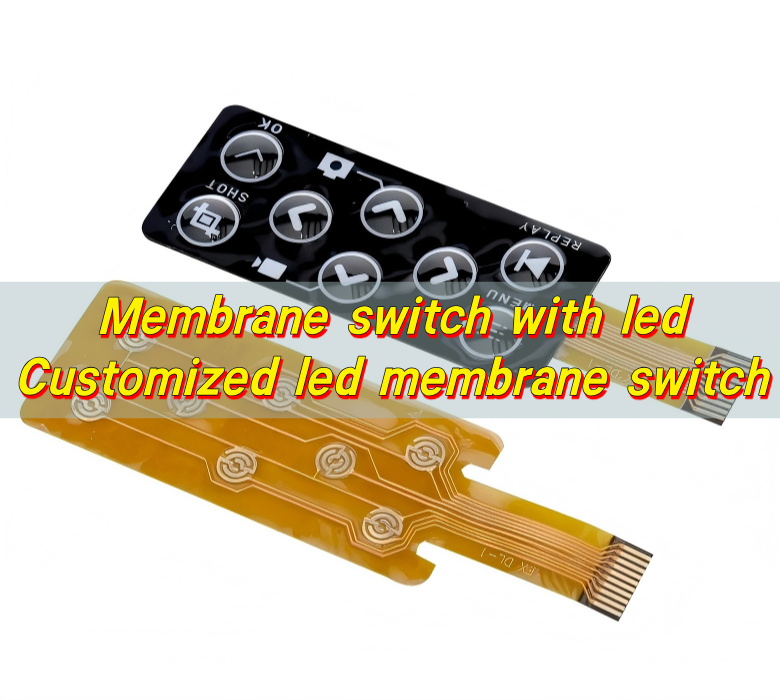
What are LED membrane switches?
LED membrane switches are advanced user interface panels that combine a flexible membrane circuit with integrated light sources. The structure looks simple from the outside. Inside, it is a layered system built for reliability and precision. At its core, it is a membrane switch with LED components embedded to provide visual feedback and backlighting.
A standard membrane switch usually includes a graphic overlay, spacer layer, circuit layer, and adhesive backing. When light elements are added, the design evolves into a more dynamic interface. The lighting may be point LEDs, side-mounted LEDs, or full-surface backlighting. This creates a clear and bright control panel that works in dark or low-visibility environments.
An LED membrane switch is not just about lighting. It enhances usability, improves safety, and strengthens product identity. Users can instantly identify active buttons. Indicators can show status, warnings, or operational steps. The interface becomes intuitive and confident.
In industrial and commercial equipment, a push button membrane switch with LED can transform a basic control panel into a high-value interface. Clear illumination reduces user errors. It also elevates the appearance of the device. Many brands choose a customized LED membrane switch to match their corporate color and product positioning.
LED membrane switches are widely used because they offer:
- Precise tactile response
- Uniform illumination
- Slim structure
- Long service life
- Flexible design options
At Yu An Electronics, we often see customers shifting from traditional panels to LED backlight membrane switch solutions. The reason is simple. They want better visibility and stronger brand impact. A well-designed membrane switch with LED delivers both performance and visual appeal.
How to install LED light switch?
Installing a membrane switch with LED is straightforward when the design phase is handled correctly. Most LED membrane switches are supplied with a pressure-sensitive adhesive backing. This allows fast and secure mounting on the device housing.
Before installation, the mounting surface must be clean and flat. Dust, oil, or uneven texture can affect bonding strength. Wipe the surface with isopropyl alcohol and let it dry fully. This ensures strong adhesion.
Next, align the switch panel with the housing cutout. Alignment is critical. LED windows and button areas must match the internal components precisely. Once positioned, remove the adhesive liner and apply uniform pressure across the surface. Avoid bending the panel excessively during this step.
Electrical connection comes next. Most LED membrane switch suppliers provide tail connectors designed for simple integration. These may be:
- ZIF connectors
- Pin headers
- Custom cable assemblies
Insert the connector carefully into the mating socket. Confirm polarity and voltage rating before powering the unit. LEDs require correct current control. This is usually managed by a resistor or driver circuit inside the device.
After installation, perform a full function test. Check each button. Confirm that the LED backlit membrane switch illuminates evenly. Ensure there is no flicker or uneven brightness. Proper installation guarantees stable performance over millions of cycles.
Professional LED membrane switch factory teams often provide installation guides tailored to each project. This reduces assembly time and improves production efficiency.
How do LED membrane switches work?
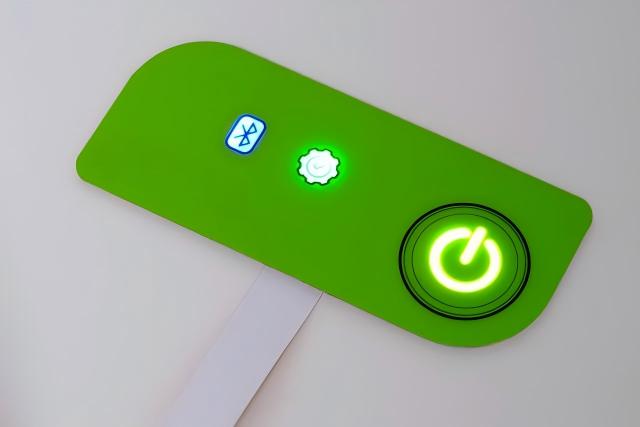
The working principle of LED membrane switches combines mechanical contact and electrical illumination. The switching function relies on pressure activation. The lighting function relies on integrated LEDs.
When a user presses a key area, the top layer flexes downward. A conductive pad on the underside makes contact with the lower circuit layer. This closes the circuit and sends a signal to the control board. The action is quick and precise. The tactile feel can be enhanced with metal domes or formed polyester.
At the same time, LEDs embedded in the circuit layer provide illumination. These light sources are placed strategically under icons, text, or entire panels. Depending on the design, lighting may serve different purposes:
- Backlighting for full panel visibility
- Indicator lighting for status display
- Edge lighting for aesthetic effect
In a LED backlight membrane switch, light distribution is carefully engineered. Light guides or diffusers may be used. This ensures even brightness without hotspots. The result is a clean and professional appearance.
Voltage and current control are critical. LEDs operate within defined parameters. Excess voltage can shorten lifespan. Proper design prevents overheating. A reliable LED membrane switch supplier will calculate these values during development.
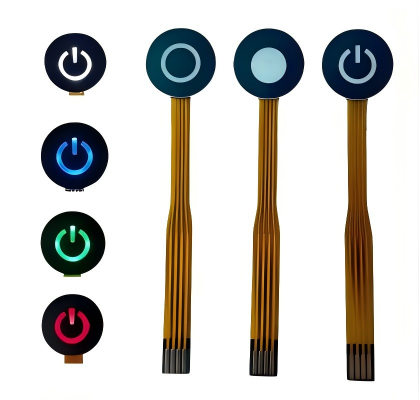
Modern designs also allow multi-color illumination. RGB LEDs can change color based on system status. For example, green may indicate normal operation. Red may signal an alert. This visual communication improves user interaction.
A push button membrane switch with LED is therefore more than a simple contact device. It becomes a smart interface. It communicates with the user in real time. It supports both control and feedback in one compact unit.
How to customize LED membrane switches?
Customization is where LED membrane switches truly stand out. A customized LED membrane switch can be tailored in shape, lighting effect, circuit layout, and tactile feel. This flexibility makes it ideal for OEM and ODM projects.
The customization process usually begins with application analysis. Engineers review voltage requirements, environment conditions, and user expectations. Design factors include:
- Operating temperature range
- Exposure to moisture or chemicals
- Required lifespan
- Mounting method
Graphic design is a major part of customization. The overlay can feature brand logos, icons, and specific color schemes. Transparent windows allow light to shine through selected areas. This creates a sharp and modern appearance.
Lighting options can vary widely:
- Single-color LEDs
- Bi-color indicators
- RGB dynamic lighting
- Side-mounted LEDs for edge glow
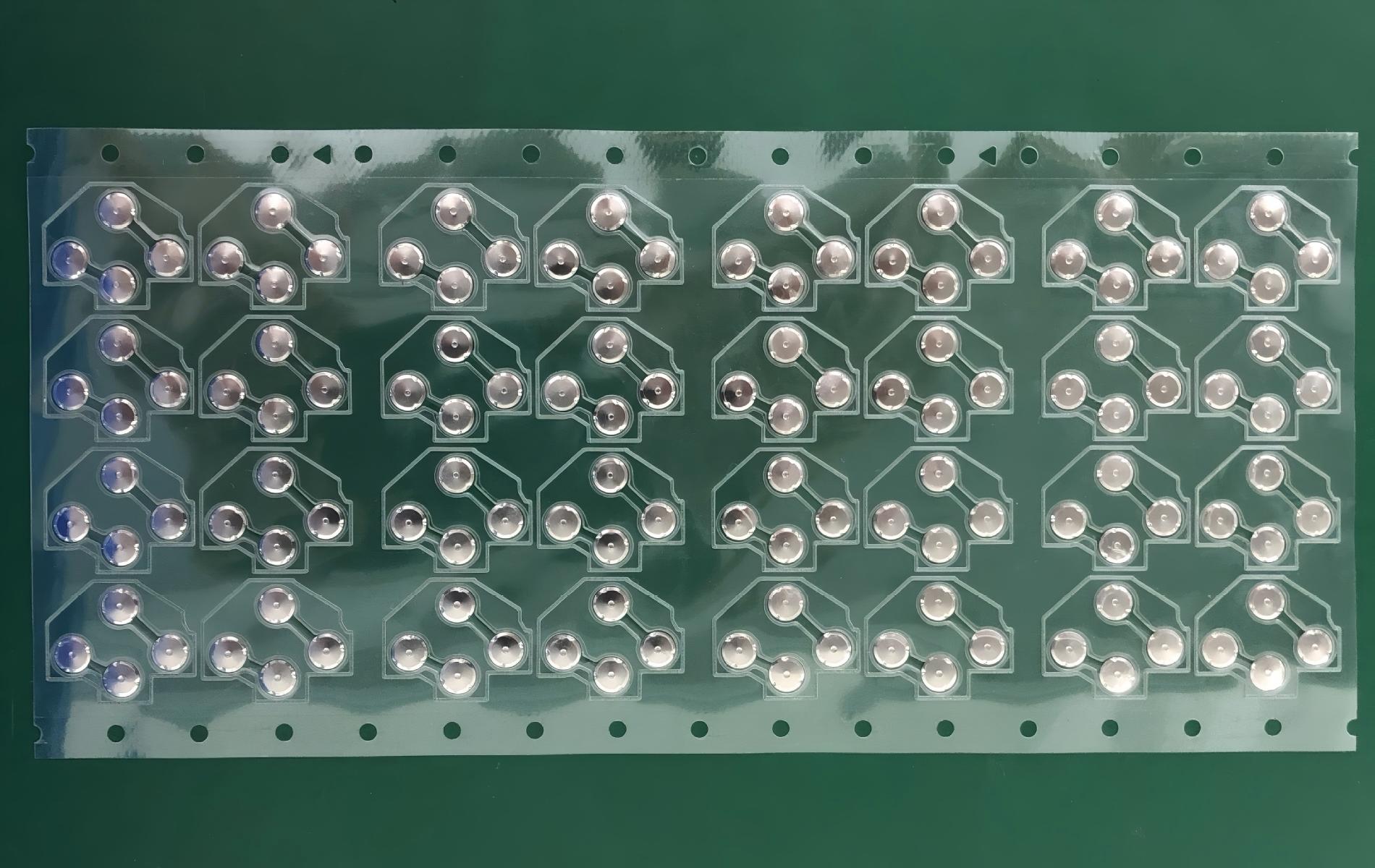
Tactile feedback can also be adjusted. Some customers prefer soft response. Others want strong click feedback. Metal dome integration can achieve precise actuation force. At Yu An Electronics, dome arrays are carefully aligned to ensure consistent response.
Circuit material selection is another key point. Options may include polyester or polyimide. The choice depends on electrical complexity and environmental demands. A professional LED membrane switch factory will guide customers through these decisions.
Prototyping is essential. Samples allow verification of brightness, color consistency, and tactile feel. Adjustments can be made before mass production. This stage ensures that the final product meets expectations in both performance and appearance.
Working with experienced LED membrane switch suppliers reduces risk. It also shortens development cycles. The right partner offers engineering support, material expertise, and quality control.
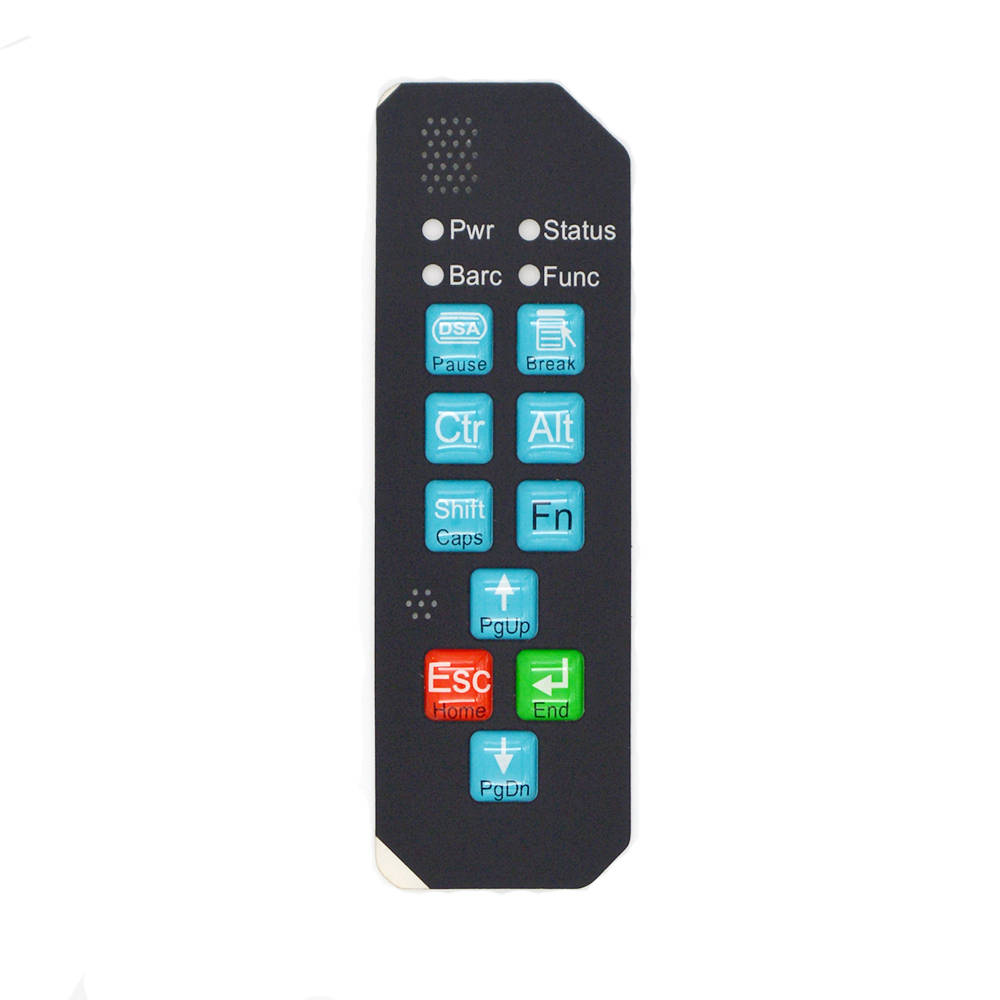
What are benefits of LED membrane switches?
LED membrane switches provide powerful advantages for modern equipment. Their value lies in performance, durability, and visual impact.
First, they enhance visibility. In low-light environments, illuminated keys are easy to locate. This improves safety and efficiency. Operators can respond quickly without confusion.
Second, they elevate product aesthetics. A LED backlit membrane switch creates a premium look. Even industrial devices gain a refined finish. Lighting adds depth and dimension to the interface.
Third, they improve user interaction. Status indicators guide the user clearly. Color changes provide instant feedback. This reduces operational mistakes and increases confidence.
Fourth, they support compact design. Unlike bulky mechanical switches, membrane switch with LED panels are thin and lightweight. They fit into tight spaces. This is ideal for portable or handheld devices.
Other key benefits include:
- Long operational life
- Low power consumption
- High resistance to dust and moisture
- Easy cleaning surface
- Custom graphic integration
Reliability is a strong advantage. With proper engineering, LED membrane switches can achieve millions of actuations. The sealed structure protects internal circuits from contaminants.
Cost efficiency is also attractive. When compared to separate lighting and switching components, an integrated solution reduces assembly steps. It simplifies wiring. Over time, this lowers production cost.
A push button membrane switch with LED combines control and illumination in one interface. This integration makes devices smarter and more appealing.
Where are LED membrane switches used?
LED membrane switches are used across many industries. Their versatility makes them suitable for both consumer and industrial applications.
In medical equipment, clear illumination supports safe operation. Doctors and nurses rely on visible controls in various lighting conditions. The smooth surface allows easy cleaning, which is essential in healthcare settings.
In industrial control systems, LED membrane switches provide robust performance. Factories often operate in dim environments. Illuminated panels improve workflow. They also resist dust and vibration.
Common application areas include:
- Medical devices
- Laboratory instruments
- Industrial control panels
- Home appliances
- Security systems
- Automotive dashboards
- Fitness equipment
In consumer electronics, customized LED membrane switch designs add visual appeal. Backlit icons create a premium impression. Brand identity becomes stronger.
In transportation systems, durability is critical. LED membrane switch supplier teams design panels that withstand temperature changes and continuous use.
At Yu An Electronics, we have supported projects in communication equipment, industrial machinery, and smart devices. Each sector has unique demands. Flexible design makes adaptation possible.
The ability to combine function and style makes LED membrane switches a preferred solution for forward-looking manufacturers.
What factors affect LED membrane switch pricing?
Pricing depends on several technical and production factors. Understanding these elements helps buyers plan their budget effectively.
Material selection plays a major role. High-grade polyester overlays and advanced circuit materials increase cost. However, they also improve lifespan and stability.
LED type and quantity also influence pricing. A simple single-color design is more economical. RGB systems require more complex circuitry. This adds cost but enhances functionality.
Other factors include:
- Circuit complexity
- Number of keys
- Tactile dome type
- Connector style
- Surface finish
Tooling and prototyping costs may apply for customized LED membrane switch projects. Small batch production usually has higher unit cost. Large volume orders reduce cost per unit.
Quality control standards also affect pricing. A reliable LED membrane switch factory invests in inspection equipment and testing procedures. This ensures consistent performance.
Shipping method and packaging requirements contribute to total cost as well. Protective packaging is essential to avoid damage during transport.
Working with experienced LED membrane switch suppliers allows transparent cost analysis. Clear communication avoids hidden expenses. At Yu An Electronics, we focus on balancing performance and budget. Customers receive strong value without compromising reliability.
How to select a reliable LED membrane switch supplier?
Choosing the right LED membrane switch supplier is a strategic decision. The supplier influences product quality, delivery time, and long-term support.
First, review manufacturing capability. A professional LED membrane switch factory should have in-house printing, circuit fabrication, and assembly lines. This ensures process control and stable output.
Second, evaluate engineering support. Strong technical teams can assist with design optimization. They help solve brightness uniformity, circuit routing, and tactile alignment challenges.
Third, examine quality management systems. Certifications and testing procedures reflect commitment to reliability. Ask about lifecycle testing and environmental testing standards.
Important evaluation points include:
- Experience in customized LED membrane switch projects
- Prototyping speed
- Communication efficiency
- After-sales support
- Material traceability
Fourth, check customer references or case studies. Real project experience demonstrates capability.
Fifth, consider response time. Fast technical feedback reduces development delays. Professional suppliers value long-term cooperation.
At Yu An Electronics, we integrate metal dome expertise with membrane interface design. This creates stable and precise push button membrane switch with LED solutions. Our team works closely with global clients to deliver dependable and visually impressive products.
Summary:
LED membrane switches combine tactile control and intelligent illumination in one refined interface. They enhance usability, elevate design, and improve operational safety. From industrial equipment to medical devices, their application range continues to grow. Customization allows precise alignment with brand and technical requirements. Selecting an experienced supplier ensures quality and long-term performance.
If you are planning a membrane switch with LED project, our team is ready to support you. Please contact us at sales@best-membraneswitch.com for professional assistance and fast response.

How Long Does Keyboard Last? Average Lifespan Guide
Understanding how long does keyboard last is not just about numbers—it’s about how design, usage habits, and environmental conditions come together over time. Whether you’re working with a membrane keyboard, a mechanical unit, or a custom membrane keyboard built for industrial use, lifespan varies widely based on real-world factors. How long do keyboards last? Most ...

Difference between Mechanical Keyboard and Membrane Keyboard
Choosing between different keyboard technologies is no longer a simple matter of preference. As user expectations continue to evolve—especially in gaming, office productivity, and industrial control systems—the underlying structure of a keyboard plays a decisive role in performance, longevity, and overall user satisfaction. Understanding the difference between mechanical keyboard and membrane keyboard allows buyers and ...
Top Advantages of Using an LGF Membrane Switch in Modern Electronics
Electronics have advanced rapidly over the years. The buttons and controls people use every day have also quietly advanced. Today, thin panel-based controls are replacing old, bulky buttons in almost every industry, and for good reason. Even Lighting Across Every Key Older backlit panels always had that annoying problem of bright spots near the light ...

Contact us online


