

Rubber Melting Temperature – Values for Common Rubber Types
Rubber Melting Temperature – Values for Common Rubber Types


Rubber is widely used in modern manufacturing because it offers flexibility, durability, and reliable performance under different conditions. Engineers rely on rubber materials for seals, keypads, insulation parts, and vibration control components. However, temperature performance is one of the most important properties to consider when selecting a rubber material for any product design.
Many people ask about rubber melting temperature when they evaluate rubber for industrial or electronic applications. Unlike metals or thermoplastic materials, rubber behaves differently when exposed to heat. Instead of sharply melting at one precise point, most rubber materials gradually soften, break down, or lose structure when temperatures rise beyond their stability range.
What temperature does rubber melt?
Many materials melt at a clear temperature. Rubber behaves differently because it is a cross-linked polymer. The molecular chains in rubber form a network during vulcanization. This network prevents the material from melting like plastic. When rubber is heated, several stages occur instead of a single melting point. The material first softens, then loses strength, and finally begins to decompose if the temperature continues to rise.
For most common rubber materials, noticeable softening starts within the following ranges:
- Natural rubber: around 180–220°C
- Silicone rubber: around 200–350°C depending on grade
- EPDM rubber: around 200–260°C
- Nitrile rubber (NBR): around 180–230°C
These temperatures represent the point where rubber begins to lose structural stability. The material does not turn into a liquid like thermoplastic polymers. Instead, it gradually breaks down as heat damages the molecular network.
Several factors influence how rubber responds to heat:
- Rubber formulation and additives
- Degree of vulcanization
- Fillers such as carbon black or silica
- Environmental conditions like oxygen exposure
- Duration of heat exposure
Because of these variables, manufacturers usually provide a continuous operating temperature range rather than a single melting value.
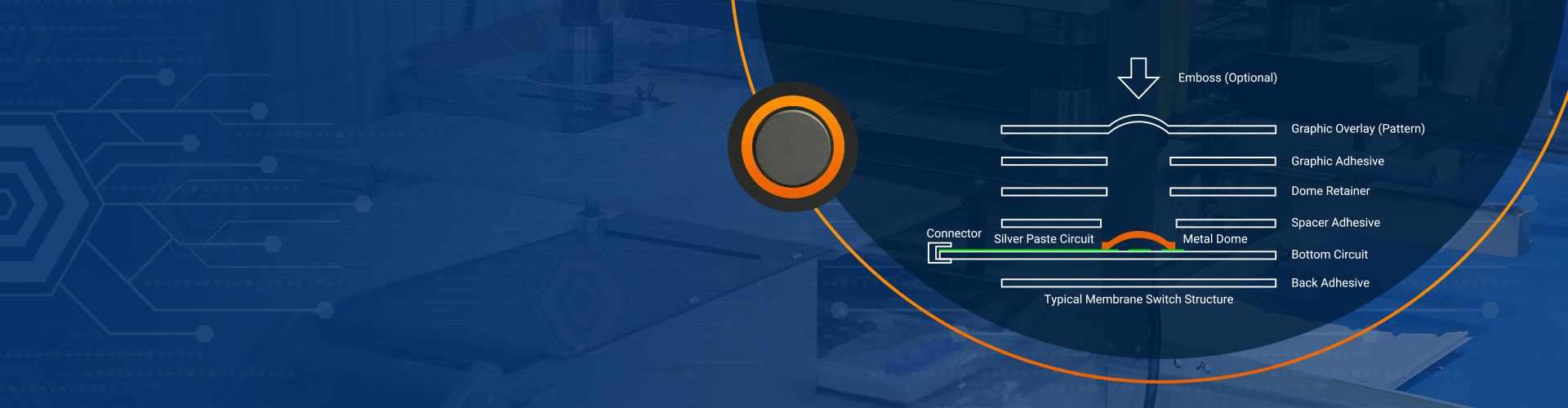
In electronic components such as membrane switches, rubber elements must tolerate repeated heat cycles during assembly and operation. Companies like Yu An Electronics, which specialize in membrane switch and metal dome keypad solutions, carefully select rubber materials that maintain elasticity and performance even under demanding temperature conditions.
What temperature does rubber melt at?
Although rubber does not have a strict melting point, engineers often refer to a rubber melt temperature when discussing heat limits during manufacturing or processing.
| Rubber Type | Approximate Softening Temperature | Typical Maximum Service Temperature |
|---|---|---|
| Natural Rubber | 180–220°C | 80–100°C |
| Silicone Rubber | 200–350°C | 200–250°C |
| EPDM Rubber | 200–260°C | 120–150°C |
| Nitrile Rubber (NBR) | 180–230°C | 100–120°C |
| Fluoroelastomer (FKM) | 250–350°C | 200–250°C |
These numbers show an important concept: the melting temperature of rubber materials is much higher than their recommended working temperature.
For example, natural rubber may begin to degrade above 180°C. However, the safe long-term operating range stays near 100°C or lower. This safety margin helps prevent aging, cracking, and loss of elasticity.
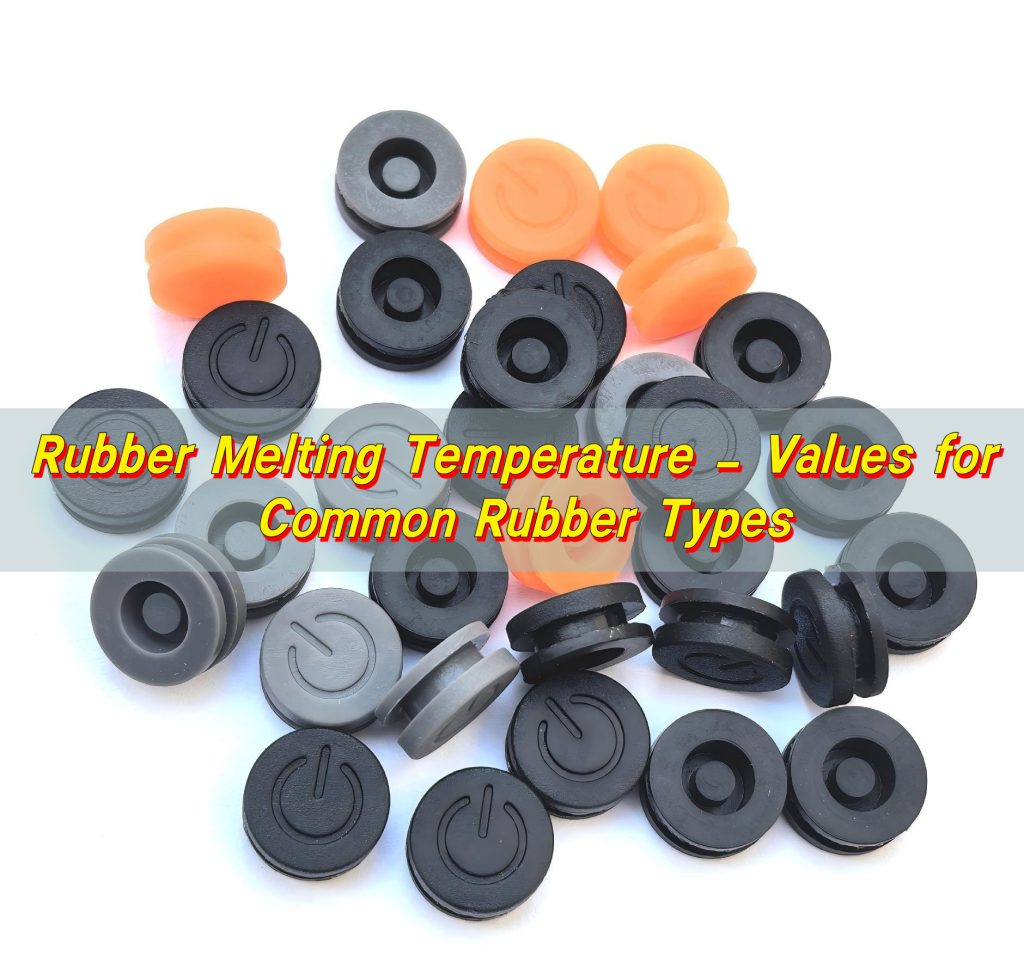
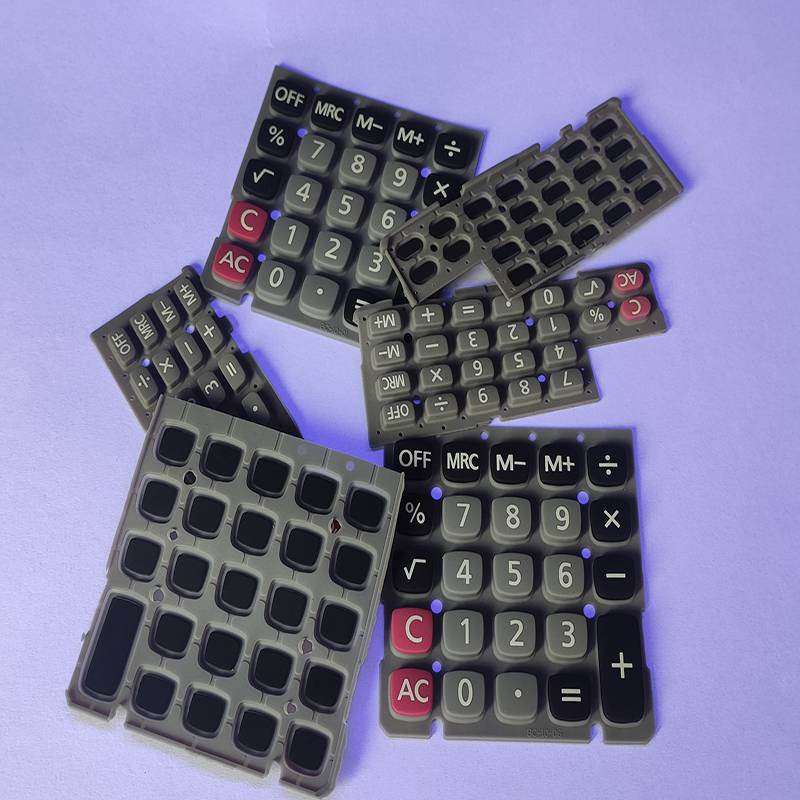
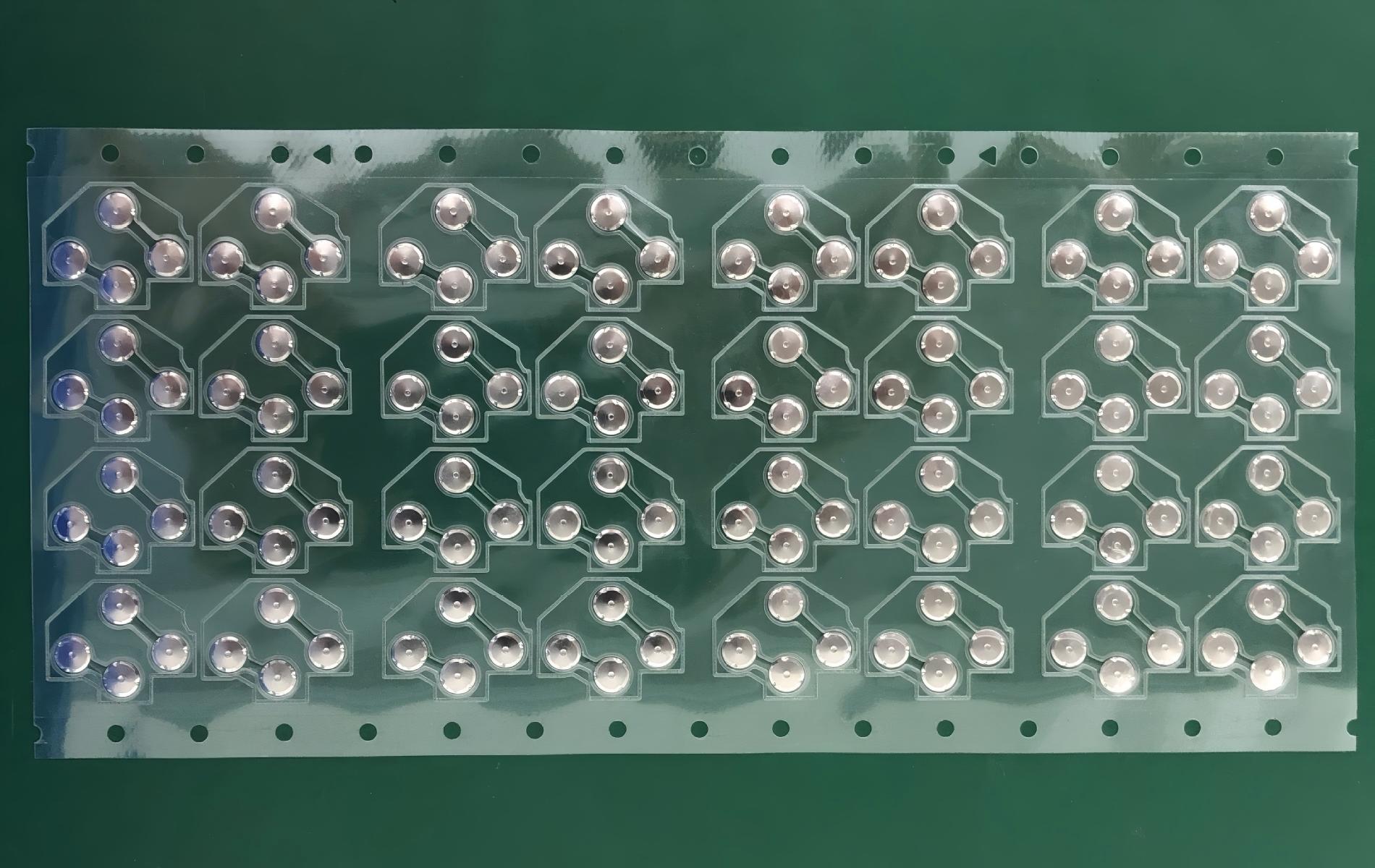
Silicone rubber stands out because it can handle very high heat. This is one reason why silicone is widely used in electronics, automotive components, and membrane switch keypads. In many modern electronic interfaces, silicone rubber keypads provide tactile feedback and long service life. When combined with metal dome arrays and precision membranes, they deliver excellent durability in both high and low temperature environments.
How to measure rubber melting temperature accurately?
Because rubber does not melt in the traditional sense, scientists use specialized testing methods to measure how rubber responds to heat. These techniques evaluate thermal transitions, decomposition behavior, and structural stability. Several laboratory methods help determine the effective melting or degradation temperature of rubber materials.
Differential Scanning Calorimetry (DSC)
DSC is one of the most common methods used in polymer analysis. It measures how much heat energy a material absorbs as the temperature increases. The test gradually heats the rubber sample while recording heat flow changes. This allows engineers to detect important thermal transitions. In rubber testing, DSC can identify:
- Glass transition temperature (Tg)
- Thermal softening behavior
- Decomposition onset temperature
Thermogravimetric Analysis (TGA)
TGA measures weight changes in a material as it is heated. Rubber begins to lose mass when thermal decomposition starts. This method helps determine:
- Decomposition temperature
- Stability limits
- Residual filler content
For example, silicone rubber often shows strong thermal stability in TGA tests because of its silicon-oxygen molecular backbone.
Dynamic Mechanical Analysis (DMA)
DMA evaluates how rubber stiffness changes as temperature increases. It measures mechanical properties such as elasticity, storage modulus, and damping behavior. This test is particularly useful for components that must maintain flexibility under heat, such as keypad domes or sealing gaskets.
Practical industrial testing
In manufacturing environments, engineers may also perform practical heat tests. These methods simulate real operating conditions and provide valuable data for product design, including:
- Long-term heat aging tests
- Thermal cycling tests
- Compression set testing
Manufacturers like Yu An Electronics apply strict material verification when producing membrane switches and rubber keypad assemblies. This ensures that rubber components maintain consistent tactile performance even after exposure to elevated temperatures during device operation.
What rubber can withstand 500 degrees?
A temperature of 500 degrees usually refers to 500°F (about 260°C) in many industrial discussions. Only a few rubber materials can tolerate temperatures near this level for short periods.
High-temperature elastomers include:
- Silicone rubber
- Fluoroelastomer (FKM / Viton)
- Perfluoroelastomer (FFKM)
Among these materials, silicone rubber remains one of the most widely used because it balances heat resistance, flexibility, and cost.
Heat-resistant rubber materials
| Rubber Type | Maximum Short-Term Temperature | Key Advantage |
|---|---|---|
| Silicone Rubber | 260–300°C | Excellent thermal stability |
| Fluoroelastomer (FKM) | 250–300°C | Chemical and heat resistance |
| Perfluoroelastomer (FFKM) | 300°C+ | Extreme environment performance |
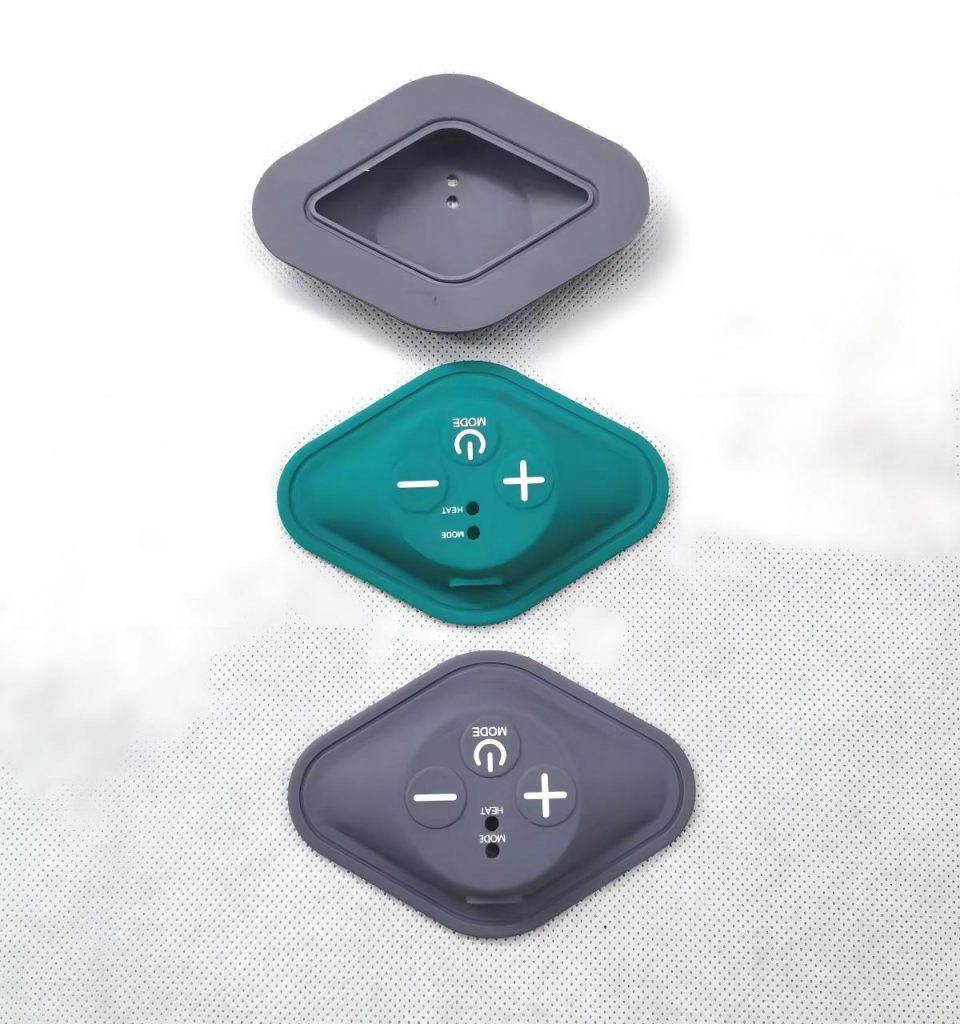
Silicone rubber is especially common in electronics and control panels. It performs well in harsh environments where temperature changes occur frequently.
This is why silicone materials are frequently used in:
- Industrial control keypads
- Medical equipment interfaces
- Automotive dashboards
- Outdoor electronic panels
In these applications, reliable tactile feedback and thermal stability are essential for long product life.
What rubber types have the highest melting temperature?
Some rubber materials offer much higher heat tolerance than others. Engineers often select these elastomers when equipment must operate in extreme environments.
Below are several rubber types known for strong heat resistance.
Silicone rubber
Silicone rubber has a unique silicon-oxygen backbone structure. This structure provides excellent thermal stability.
Key advantages include:
- High heat resistance
- Wide operating temperature range
- Excellent flexibility
- Strong electrical insulation
Silicone rubber can operate continuously at temperatures around 200–250°C, which makes it one of the best choices for electronic components.
Fluoroelastomer (FKM)
FKM rubber contains fluorine atoms that strengthen chemical bonds and improve heat resistance.
Benefits include:
- Resistance to oils and chemicals
- Strong heat stability
- Long service life in harsh environments
It is widely used in automotive seals, aerospace components, and fuel systems.
Perfluoroelastomer (FFKM)
FFKM materials provide the highest heat resistance among elastomers. These advanced materials can operate above 300°C. However, they are much more expensive than standard rubber materials.
Comparison of high-temperature rubber materials
| Material | Continuous Temperature | Typical Applications |
|---|---|---|
| Silicone Rubber | 200–250°C | Electronics, keypads |
| Fluoroelastomer (FKM) | 200–230°C | Automotive seals |
| Perfluoroelastomer (FFKM) | 260–300°C | Aerospace, chemical processing |
In consumer electronics, silicone rubber remains the most practical solution because it combines durability, cost efficiency, and excellent tactile performance.
What happens to rubber when it melts?
When rubber is exposed to excessive heat, several changes occur in its structure.
The process usually follows these stages:
- Softening – the material becomes more flexible and loses stiffness.
- Elasticity loss – the rubber no longer returns to its original shape.
- Surface deformation – bubbling, cracking, or sticky surfaces may appear.
- Thermal decomposition – molecular chains break down and gases may release.
At extremely high temperatures, rubber can produce smoke and chemical by-products as the polymer structure decomposes.
In practical applications, manufacturers design rubber components so they operate far below these degradation temperatures. This ensures stable performance and prevents structural failure. For example, in membrane switch assemblies used in industrial equipment, rubber materials must maintain shape, elasticity, and tactile feedback over millions of presses.
Proper material selection ensures that these components remain reliable even under repeated mechanical and thermal stress.
Will rubber melt in boiling water?
Boiling water reaches 100°C (212°F) at normal atmospheric pressure. Most rubber materials can tolerate this temperature for short periods without melting. However, long exposure to boiling water may still affect certain rubber types.
Here is how common rubber materials react to boiling water:
- Natural rubber: may soften slightly and age faster over time.
- EPDM rubber: performs well because it resists water and steam.
- Silicone rubber: handles boiling water very well.
- Nitrile rubber: moderate resistance but may degrade slowly.
Because of its strong thermal and moisture resistance, silicone rubber is often used in applications that involve hot liquids or steam.
Examples include:
- Medical equipment
- Food processing devices
- Electronic interface seals
- Waterproof control panels
In these situations, rubber components remain stable because the boiling temperature stays far below their degradation limits.
What rubber doesn’t melt?
All rubber materials will eventually degrade under extreme heat, but some elastomers maintain their structure much longer than others. Rubber materials with very strong thermal resistance include:
- Silicone rubber
- Fluoroelastomer (FKM)
- Perfluoroelastomer (FFKM)
- Polyimide-based elastomers
Among these options, silicone rubber remains one of the most practical and widely used materials. It offers several important advantages:
- Stable performance across wide temperatures
- Excellent flexibility
- Good electrical insulation
- Long service life
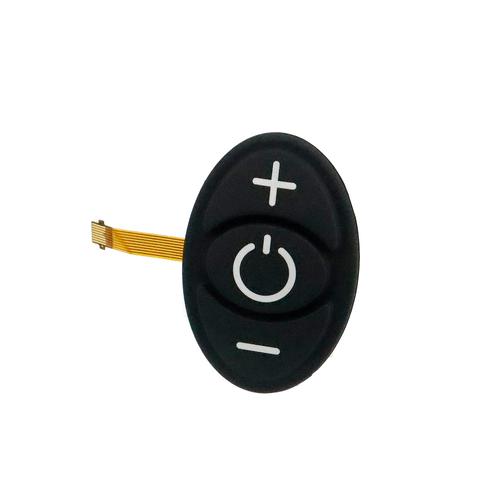
Because of these properties, silicone rubber is widely used in membrane switch keypads and electronic control interfaces.
Manufacturers like Yu An Electronics integrate high-quality silicone materials into custom interface designs to ensure durability and precise tactile response in demanding environments.
Is rubber toxic when heated?
Heating rubber can produce fumes if the temperature rises high enough to cause decomposition.
When rubber breaks down under extreme heat, it may release gases such as:
- Carbon monoxide
- Hydrocarbons
- Small amounts of volatile organic compounds
However, under normal operating temperatures, rubber components used in electronics or consumer products remain safe and stable.
Modern manufacturers follow strict material standards such as:
- RoHS compliance
- REACH regulations
- Environmental safety testing
These standards ensure that rubber materials used in products do not release harmful substances during normal use. High-quality silicone rubber, in particular, is widely recognized for its safety and stability. It is often used in medical devices, kitchen products, and electronic control panels because it performs reliably under heat.
FAQ
1. Does rubber have a true melting point?
No. Rubber does not melt like thermoplastic materials. Instead, it softens and eventually decomposes when exposed to high temperatures.
2. What is the melting temperature of natural rubber?
Natural rubber begins to degrade around 180–220°C, although its safe working temperature is usually below 100°C.
3. What is the melting temperature of silicone rubber?
Silicone rubber can withstand temperatures between 200°C and 350°C depending on the formulation.
4. Which rubber is best for high-temperature applications?
Silicone rubber and fluoroelastomers are among the best choices for high-temperature environments.
5. Can rubber survive extreme heat conditions?
Yes, certain elastomers are designed for extreme environments. Silicone rubber is widely used in electronics because it performs well across a broad temperature range.
Conclusion:
Understanding rubber melting temperature helps engineers choose the right material for demanding applications. Rubber does not behave like thermoplastic polymers. Instead of melting sharply, it softens, weakens, and eventually decomposes as temperatures increase.
For electronic interfaces, silicone rubber often provides the best balance between durability, flexibility, and thermal stability. This is why it is widely used in membrane switches, control panels, and keypad assemblies.
At Yu An Electronics, we specialize in high-quality membrane switch solutions, metal dome arrays, and custom interface components designed for reliable performance in demanding conditions. Our engineering team carefully selects materials to ensure long-lasting durability and consistent tactile response.
If you are looking for expert support or custom membrane switch solutions, feel free to contact us. Email: sales@best-membraneswitch.com

How Long Does Keyboard Last? Average Lifespan Guide
Understanding how long does keyboard last is not just about numbers—it’s about how design, usage habits, and environmental conditions come together over time. Whether you’re working with a membrane keyboard, a mechanical unit, or a custom membrane keyboard built for industrial use, lifespan varies widely based on real-world factors. How long do keyboards last? Most ...

Difference between Mechanical Keyboard and Membrane Keyboard
Choosing between different keyboard technologies is no longer a simple matter of preference. As user expectations continue to evolve—especially in gaming, office productivity, and industrial control systems—the underlying structure of a keyboard plays a decisive role in performance, longevity, and overall user satisfaction. Understanding the difference between mechanical keyboard and membrane keyboard allows buyers and ...
Top Advantages of Using an LGF Membrane Switch in Modern Electronics
Electronics have advanced rapidly over the years. The buttons and controls people use every day have also quietly advanced. Today, thin panel-based controls are replacing old, bulky buttons in almost every industry, and for good reason. Even Lighting Across Every Key Older backlit panels always had that annoying problem of bright spots near the light ...

Contact us online


