

How Long Does Keyboard Last? Average Lifespan Guide
How Long Does Keyboard Last? Average Lifespan Guide


Understanding how long does keyboard last is not just about numbers—it’s about how design, usage habits, and environmental conditions come together over time. Whether you’re working with a membrane keyboard, a mechanical unit, or a custom membrane keyboard built for industrial use, lifespan varies widely based on real-world factors.

How long do keyboards last?
Most keyboards are engineered to withstand years of regular use, but the actual lifespan depends heavily on the type of switch technology and how the device is used. On average, a standard membrane computer keyboard typically lasts between 3 to 7 years, while higher-end designs or specialized applications can extend beyond that range.
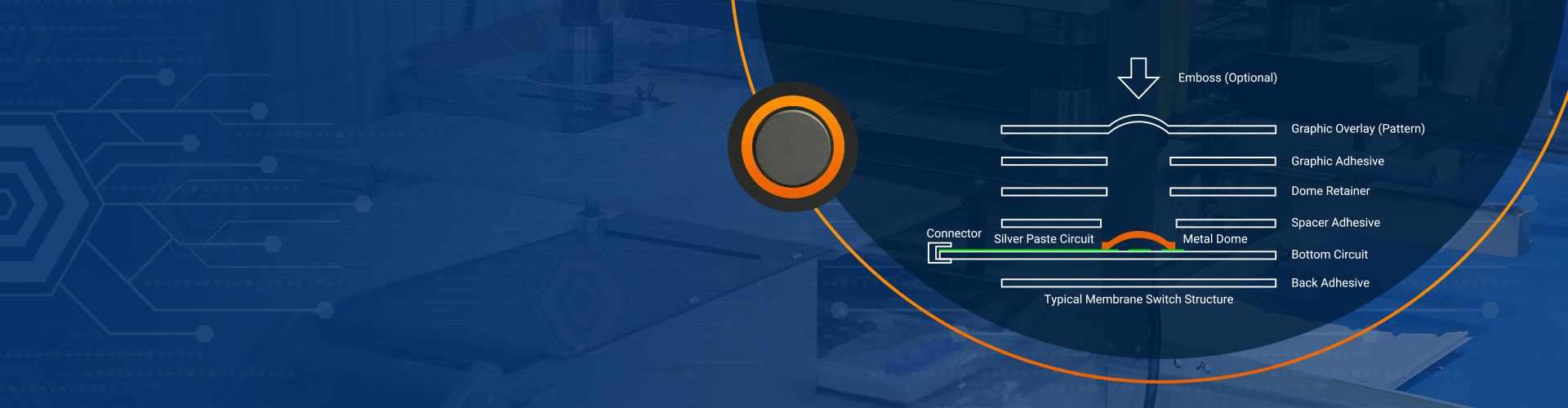
The reason for this variation lies in the internal structure. A membrane keyboard uses flexible layers and conductive traces that register keystrokes when pressed. Over time, repeated الضغط (pressure) causes gradual wear in these layers. Still, modern materials and improved manufacturing processes have significantly enhanced durability.
In practical terms, lifespan is influenced by several key elements:
- Usage frequency: Daily office typing versus intermittent use
- Actuation force and consistency: Heavy typing habits can accelerate wear
- Environmental exposure: Dust, humidity, and temperature shifts
- Build quality: Material selection and production precision
For industrial or custom membrane keyboard solutions, especially those manufactured by experienced providers like Yu An Electronics, lifespan can be optimized through precision engineering, tighter tolerances, and high-grade materials. These factors allow the keyboard to maintain stable performance even under demanding conditions.
Rather than focusing only on years, it’s more accurate to think in terms of actuation cycles. A typical membrane switch keyboard is rated for 1 to 5 million key presses per key, which translates into several years of reliable operation in most environments.
How long does a mechanical keyboard last?
Mechanical keyboards are often associated with longevity, and for good reason. Instead of flexible membrane layers, they rely on individual mechanical switches beneath each key. These switches are designed for durability and consistent tactile feedback.
A well-built mechanical keyboard can last anywhere from 10 to 20 years, depending on usage and maintenance. The switches themselves are often rated for 50 to 100 million keystrokes, significantly higher than membrane alternatives.
However, longevity is not just about switch rating. Mechanical keyboards include more components, such as springs, housings, and contact points, which can also experience wear. Still, their modular nature allows for easier repair or replacement, which contributes to their extended usable life.
Here’s a quick comparison to illustrate the differences:
| Feature | Membrane Keyboard | Mechanical Keyboard |
|---|---|---|
| Typical lifespan | 3–7 years | 10–20 years |
| Keystroke lifespan | 1–5 million | 50–100 million |
| Structure | Layered membrane | Individual switches |
| Maintenance | Limited | Replaceable parts |
| Cost | Lower | Higher |
While mechanical keyboards offer impressive durability, membrane keys remain a preferred choice in many applications due to their cost efficiency, compact design, and ability to be customized for specific environments.
Does frequent typing shorten a membrane keyboard’s lifespan?
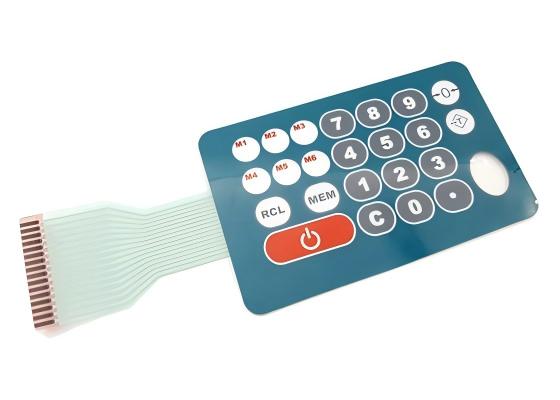
Frequent typing does influence lifespan, but not always in a negative way. Modern membrane keyboards are designed to handle continuous use, especially in office or commercial environments. What matters more is how the typing occurs, rather than just how often.
Consistent, moderate keystrokes distribute wear evenly across the membrane layers. On the other hand, excessive force or uneven typing patterns can create localized stress points. Over time, these areas may experience reduced responsiveness.
That said, high-quality membrane switch keyboard designs are engineered to minimize such issues. Manufacturers like Yu An Electronics optimize dome structure, contact materials, and circuit layout to ensure stable performance across millions of actuations.
Frequent typing becomes a concern only when combined with additional stress factors, such as:
- Strong impact force on keys
- Repetitive use of specific keys (e.g., gaming or data entry)
- Lack of cleaning or maintenance
- Exposure to contaminants during use
In controlled environments, even heavy daily typing does not significantly shorten lifespan. In fact, consistent use can help maintain responsiveness by preventing material stiffness that sometimes occurs in rarely used devices.
What common issues end a membrane keyboard’s service life?
Membrane keyboards rarely fail suddenly. Instead, they gradually show signs of wear, giving users time to notice changes and take action if needed.
The most common issues include:
- Loss of tactile feedback: The dome structure beneath the key may weaken over time
- Reduced responsiveness: Electrical contact becomes less consistent
- Key failure: Certain keys stop registering input
- Circuit degradation: Conductive traces wear out or lose conductivity
Among these, the most critical factor is the integrity of the conductive layer. Once the electrical pathway is compromised, the key can no longer function reliably.
Another factor is adhesive aging. In some membrane designs, layers are bonded together using adhesives that may degrade over time, especially under high temperature or humidity conditions.
Despite these challenges, advancements in materials—such as improved polyester films and more stable conductive inks—have significantly reduced failure rates. High-end custom membrane keyboard solutions often include protective coatings and reinforced structures to further extend service life.
How does dust and moisture affect how long a membrane keyboard lasts?
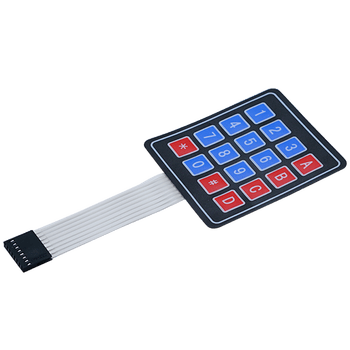
Environmental exposure plays a significant role in determining how long a membrane for keyboard systems remains functional. Dust and moisture are the two most common external factors affecting performance. Dust particles can accumulate between key layers or around key edges. Over time, this buildup may interfere with proper contact, leading to inconsistent input. While most membrane keyboards are relatively sealed, they are not completely immune to fine particles.
Moisture presents a different challenge. Even small amounts of humidity can affect conductive materials and internal layers. In extreme cases, liquid exposure may cause short circuits or corrosion.
The impact of these factors depends on the design quality. For example, professionally manufactured membrane keyboards often include:
- Sealed edges to reduce particle ingress
- Protective overlays to block moisture
- Specialized coatings for enhanced durability
Industrial-grade designs, such as those produced by Yu An Electronics, can even achieve high levels of environmental resistance, making them suitable for harsh conditions like medical equipment, automotive controls, and outdoor devices. In everyday environments, simple precautions—like keeping the keyboard clean and avoiding spills—are usually enough to maintain optimal performance.
Can daily maintenance help a membrane keyboard last longer?
Daily maintenance is one of the most effective ways to extend the lifespan of a membrane keyboard. The good news is that it doesn’t require complex procedures or specialized tools.
Simple habits can make a noticeable difference:
- Regular cleaning: Wipe the surface to remove dust and oils
- Controlled environment: Avoid excessive humidity or temperature extremes
- Gentle typing: Reduce unnecessary force on keys
- Proper storage: Keep the keyboard covered when not in use
These actions help preserve both the mechanical and electrical integrity of the keyboard. Over time, they reduce the accumulation of contaminants and prevent premature wear.
For custom membrane keyboard applications, especially in industrial settings, maintenance may also include periodic inspection and environmental control measures. This ensures that the keyboard continues to perform reliably under demanding conditions. It’s worth noting that maintenance does not just extend lifespan—it also maintains consistent user experience, which is often just as important as longevity.
Will heavy continuous use reduce membrane keyboard durability?
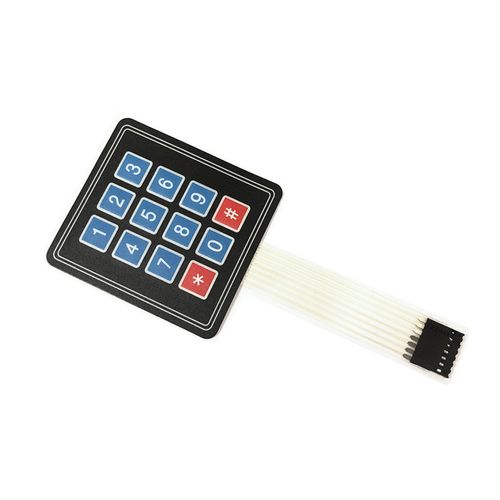
Heavy continuous use can influence durability, but it does not automatically lead to early failure. Modern membrane switch keyboard designs are built to handle sustained operation, especially in professional environments.
The key factor is load distribution. If usage is spread evenly across the keyboard, wear occurs gradually and predictably. Problems arise when specific keys are subjected to repeated, high-force input over extended periods.
For example, in data entry or gaming scenarios, certain keys may experience significantly higher usage than others. Over time, these keys may show signs of wear earlier than the rest of the keyboard.
However, well-engineered membrane keys are designed to handle such scenarios. Reinforced dome structures, high-quality conductive materials, and precise manufacturing processes all contribute to improved durability.
In fact, advanced production techniques—such as those used by Yu An Electronics—can enhance alignment accuracy and tactile consistency, ensuring that even under continuous use, the keyboard maintains stable performance.
To further optimize durability under heavy use:
- Rotate usage patterns when possible
- Choose designs rated for higher actuation cycles
- Consider custom solutions tailored to specific applications
These strategies help ensure that even demanding workloads do not compromise long-term reliability.
Summary:
The answer to “how long does keyboard last” depends on a combination of design, usage, and environment. Membrane keyboards typically offer 3 to 7 years of reliable service, while mechanical options can extend well beyond a decade. However, with proper design and care, membrane keyboard solutions—especially custom-engineered ones—can achieve impressive longevity and consistent performance.
By understanding the factors that influence lifespan and adopting simple maintenance practices, users can maximize value and reliability without unnecessary complexity. For applications requiring enhanced durability, precision manufacturing and tailored designs—like those offered by Yu An Electronics—provide a dependable path forward.
For more information or customized solutions, feel free to reach out: sales@best-membraneswitch.com
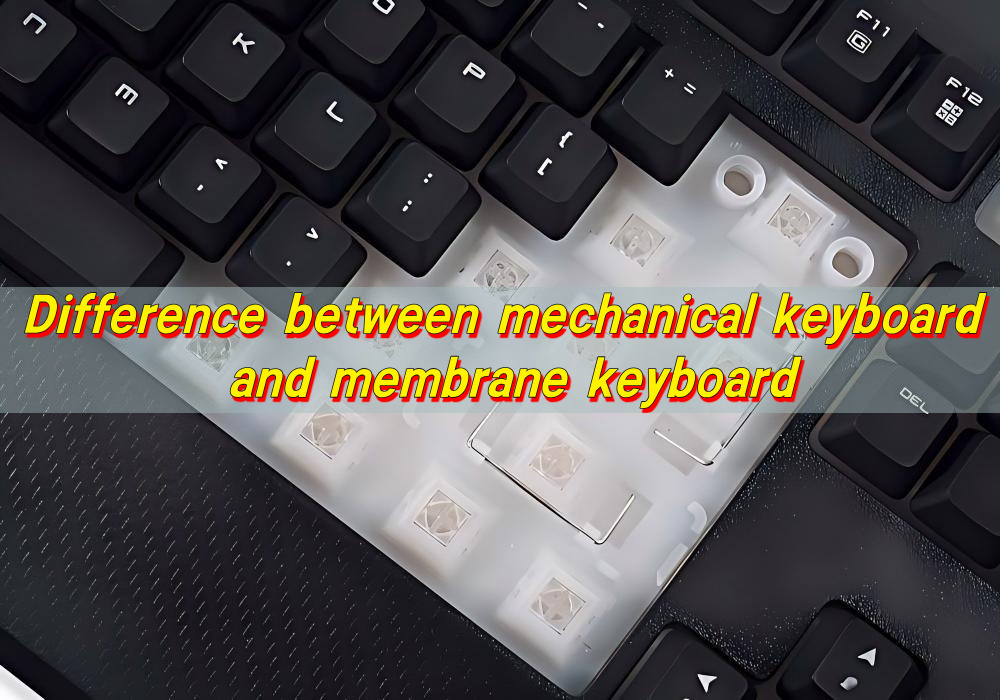
Difference between Mechanical Keyboard and Membrane Keyboard
Choosing between different keyboard technologies is no longer a simple matter of preference. As user expectations continue to evolve—especially in gaming, office productivity, and industrial control systems—the underlying structure of a keyboard plays a decisive role in performance, longevity, and overall user satisfaction. Understanding the difference between mechanical keyboard and membrane keyboard allows buyers and ...
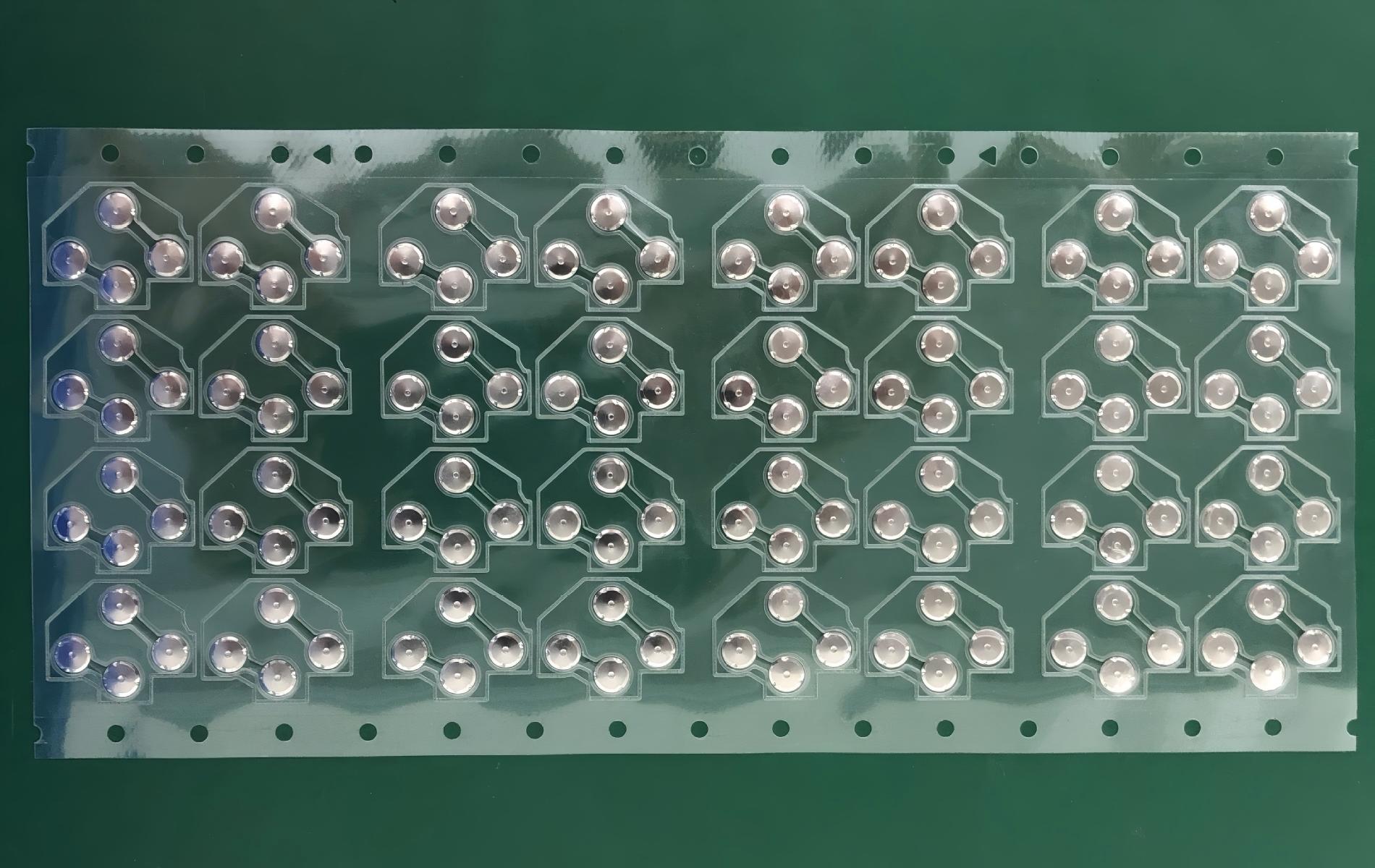
Top Advantages of Using an LGF Membrane Switch in Modern Electronics
Electronics have advanced rapidly over the years. The buttons and controls people use every day have also quietly advanced. Today, thin panel-based controls are replacing old, bulky buttons in almost every industry, and for good reason. Even Lighting Across Every Key Older backlit panels always had that annoying problem of bright spots near the light ...

Understanding the Benefits of Using Tactile Membrane Switch
Modern devices use a tactile membrane switch as it is durable, attractive, and user-friendly. These switches have a user-friendly interface. As users press them, they receive a physical response to understand their input is correct. A tactile membrane switch enables users to access different applications accurately. Here are some benefits of the switch. Read on ...

Contact us online


