

Know the Difference between Tactile and Non-Tactile Membrane Switching
Know the Difference between Tactile and Non-Tactile Membrane Switching


When selecting the appropriate interface for a product, it can be wise to understand the differences between tactile and non-tactile membrane switches so that the engineer and the purchaser make a better decision. They are both very common in medical equipment, domestic appliances, and industrial equipment, though they do not present the same user experience.
What Does a Tactile Membrane Switch Do?
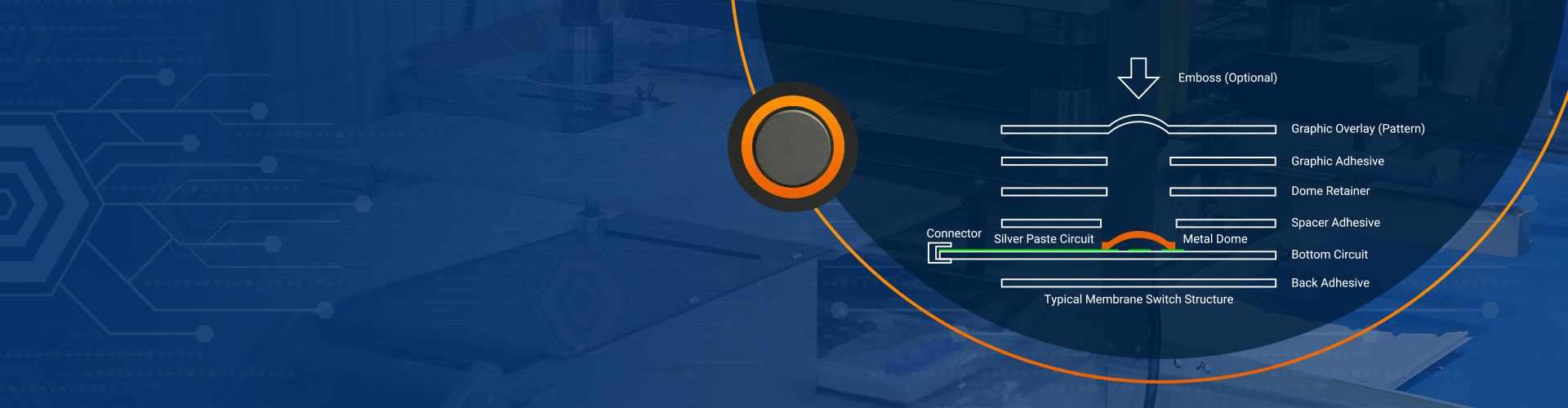
A tactile membrane switch provides a physical detection or a click when pushed. This is fed back by an inbuilt metal dome or mechanical component beneath the top surface.
Why it matters:
• Gives accurate and confident information.
• Reduces accidental presses.
• Applicable when operators are required to touch each command.
What Does a Non-Tactile Membrane Switch Do?
A non-tactile membrane switch does not give a physical click. Rather, it is a smooth surface, and the activation is signified either visually or auditory, by LEDs or beeps. For a backlit graphic, a non-tactile backlit membrane switch may be used as the thin sheet allows even light distribution behind the graphics.
Why it matters:
• Supports smooth, contemporary forms.
• Has fewer moving parts, so its life cycles are longer.
• Best used in small or enclosed spaces.
Final Thoughts: Which One Should You Choose?
For better feel and precision, go with a tactile option. If you want something quiet and minimalist, try a non-tactile one. What you pick really comes down to the device, where you are using it, and what you expect.
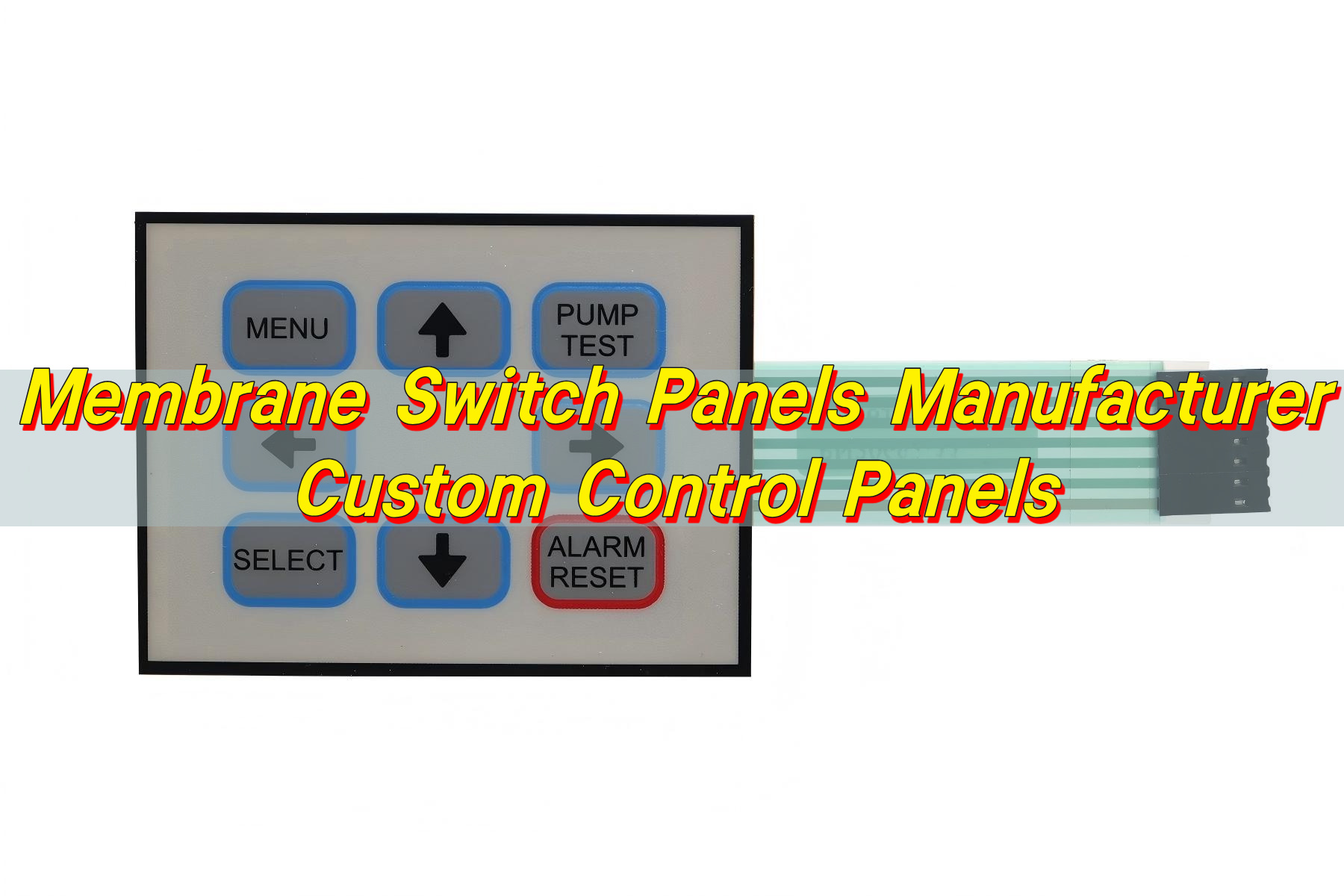
Membrane Switch Panels Manufacturer | Custom Control Panels
Membrane switch panels sit at the core of many modern control interfaces, from medical devices to industrial equipment. When businesses look for a reliable membrane switch panels manufacturer, they are not just buying a product—they are choosing a long-term partner that shapes usability, durability, and overall product performance. What is a membrane panel? A membrane ...

Ways in Which a Rubber Membrane Switch Contributes To the Quality of an Appliance
The control panels through which you operate an appliance or machines contribute to the overall device quality. The rubber membrane switch variety is a popular option for modern appliances. These switches upgrade the overall electronic appliance in several ways. Enjoy perfect and smooth controls The membrane keypad with LED enhances the appliance functionality by many ...
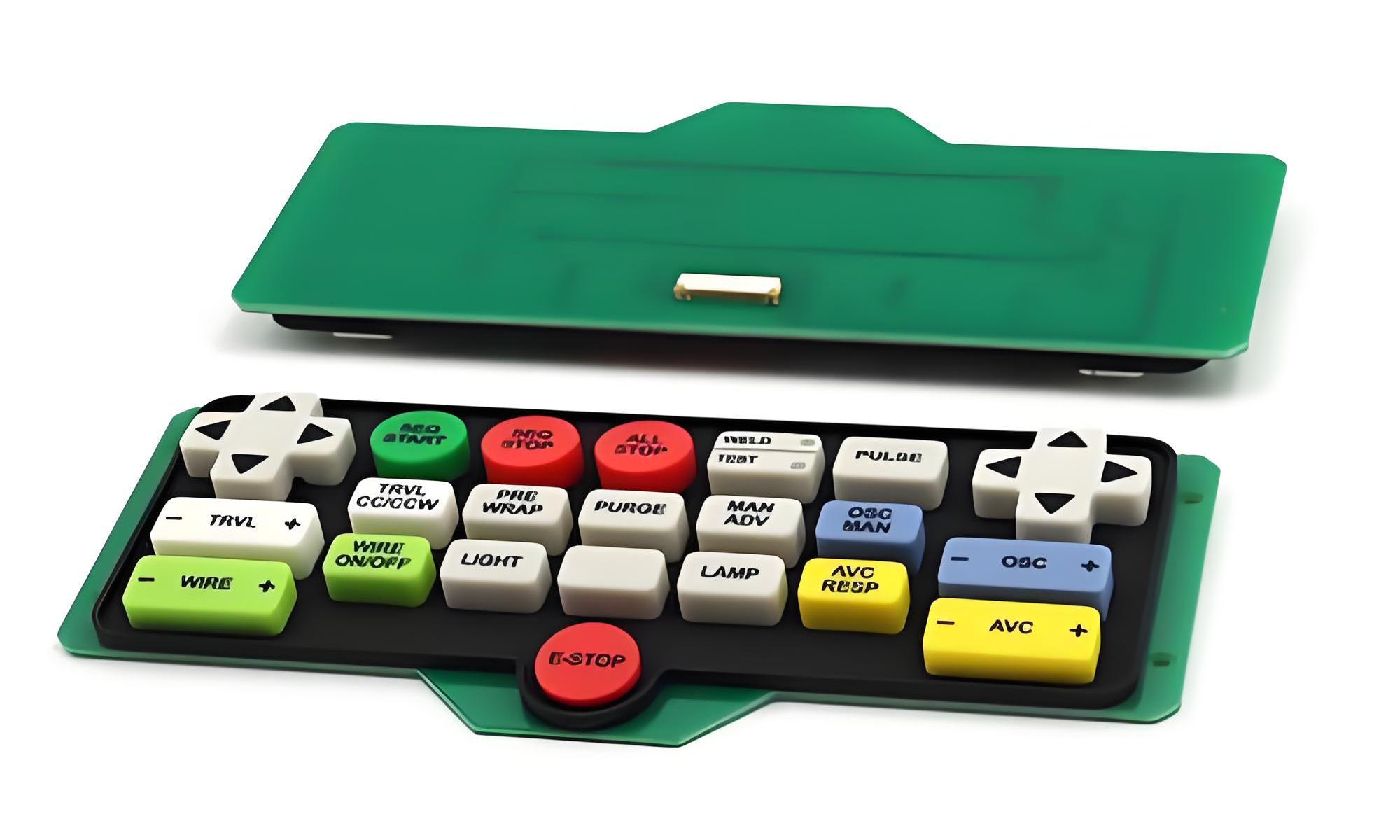
Buy Your Tactile Membrane Switch Prudently For Maximum Value
Appliance and electronic device manufacturers must procure vital spare parts and device components and assemble them for final production. A tactile membrane switch is a pertinent part of modern gadgets. As an electronic appliance or machine producer, you must procure these switches. Balance quality and cost Two aspects that you must balance while buying these ...

Contact us online


