

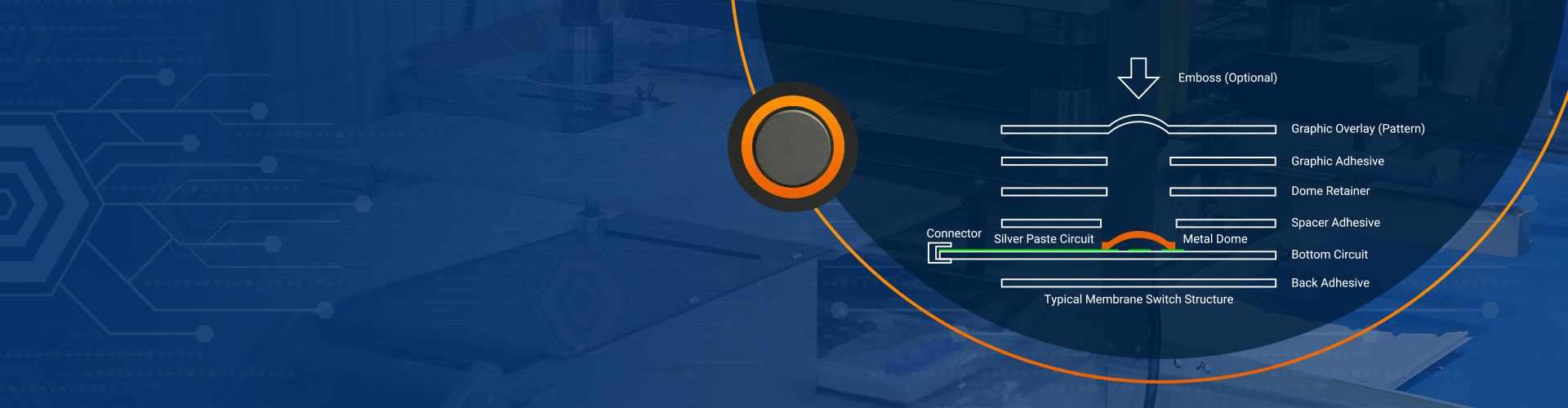
Step-by-Step Guide to Selecting the Right Membrane Switch for Your Product
Step-by-Step Guide to Selecting the Right Membrane Switch for Your Product


It is not easy to choose the appropriate interface for an electronic device with the number of various types of membrane switches. This is a basic, stepwise analysis to help product designers and manufacturers select the optimal choice.
Step 1: Determine your Application Requirements
Begin by making a list of locations where switches are used, including indoors, outdoors, on industrial machinery, medical devices, or in households. This assists in establishing durability, tactile feel, and environmental-resistance requirements.
Step 2: Know What Switch Structure You Require
A PCB membrane switch is a better choice when you need integrated circuitry, a longer lifespan, and higher levels of reliability in your design. A flexible film-based design may be sufficient for a simpler control panel.
Step 3: Tactile or Non-Tactile Feedback
When a tactile dome structure is required, a user can opt for a tactile dome shape. With no or low-profile devices, it is better to use non-tactile.
Step 4: Include Visual or Functional Enhancements
You may require backlighting, shielding, embossing, or colored overlays. A membrane switch keypad with a backlight LED feature is handy in low-light settings or consumer interfaces.
Step 5: Check Material and Seal Quality
Check whether waterproofing, chemical, and UV protection are needed. A PET layer made from high-quality material extends the switch’s lifespan.
Follow these 5 easy steps, and you will be good to go!

How Long Does Keyboard Last? Average Lifespan Guide
Understanding how long does keyboard last is not just about numbers—it’s about how design, usage habits, and environmental conditions come together over time. Whether you’re working with a membrane keyboard, a mechanical unit, or a custom membrane keyboard built for industrial use, lifespan varies widely based on real-world factors. How long do keyboards last? Most ...
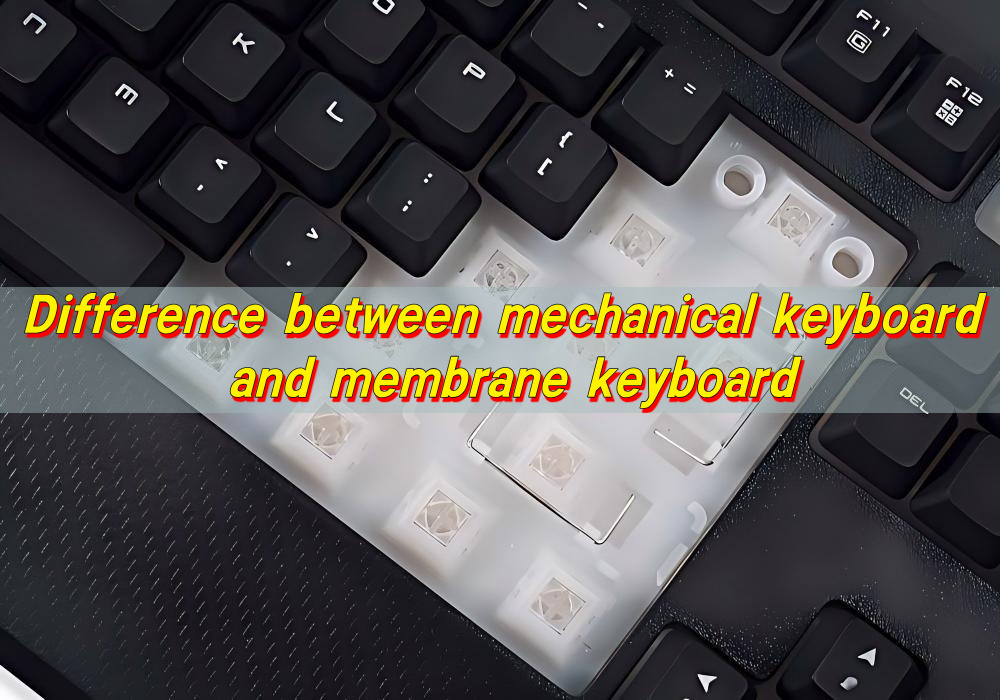
Difference between Mechanical Keyboard and Membrane Keyboard
Choosing between different keyboard technologies is no longer a simple matter of preference. As user expectations continue to evolve—especially in gaming, office productivity, and industrial control systems—the underlying structure of a keyboard plays a decisive role in performance, longevity, and overall user satisfaction. Understanding the difference between mechanical keyboard and membrane keyboard allows buyers and ...
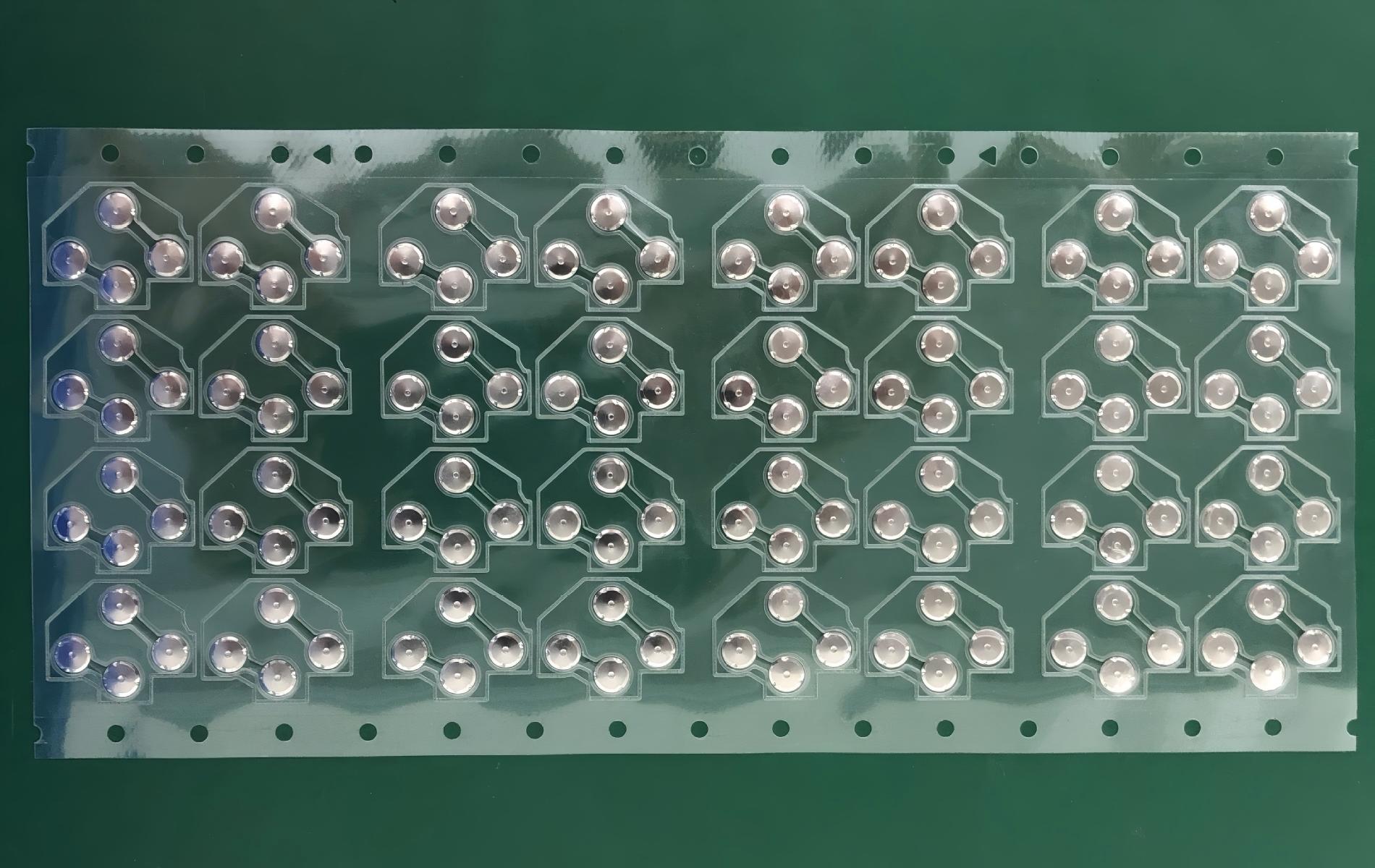
Top Advantages of Using an LGF Membrane Switch in Modern Electronics
Electronics have advanced rapidly over the years. The buttons and controls people use every day have also quietly advanced. Today, thin panel-based controls are replacing old, bulky buttons in almost every industry, and for good reason. Even Lighting Across Every Key Older backlit panels always had that annoying problem of bright spots near the light ...

Contact us online


