

Know the Difference between Tactile and Non-Tactile Membrane Switching
Know the Difference between Tactile and Non-Tactile Membrane Switching


When selecting the appropriate interface for a product, it can be wise to understand the differences between tactile and non-tactile membrane switches so that the engineer and the purchaser make a better decision. They are both very common in medical equipment, domestic appliances, and industrial equipment, though they do not present the same user experience.
What Does a Tactile Membrane Switch Do?
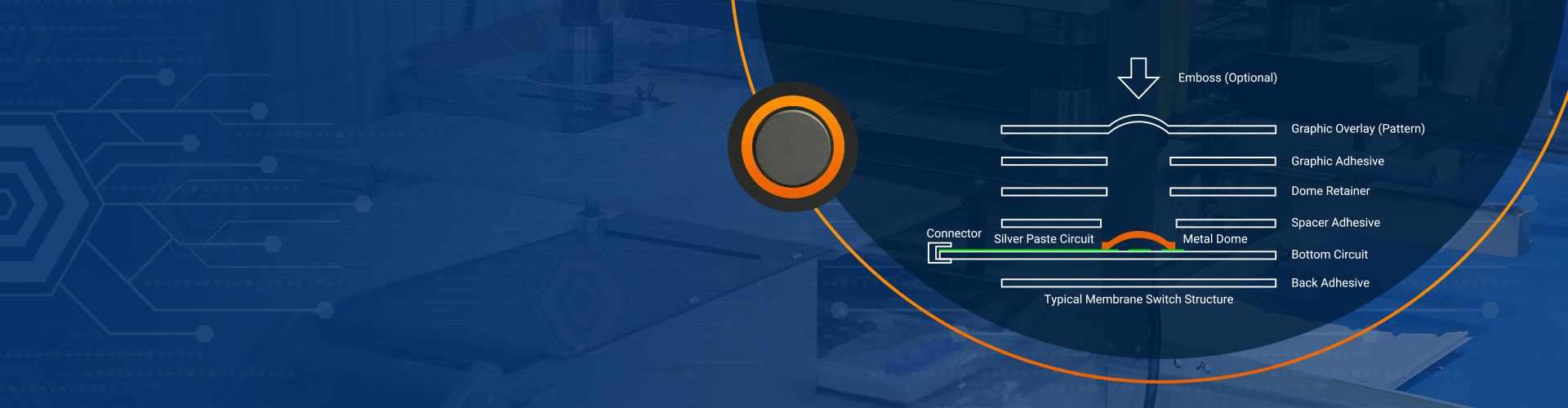
A tactile membrane switch provides a physical detection or a click when pushed. This is fed back by an inbuilt metal dome or mechanical component beneath the top surface.
Why it matters:
• Gives accurate and confident information.
• Reduces accidental presses.
• Applicable when operators are required to touch each command.
What Does a Non-Tactile Membrane Switch Do?
A non-tactile membrane switch does not give a physical click. Rather, it is a smooth surface, and the activation is signified either visually or auditory, by LEDs or beeps. For a backlit graphic, a non-tactile backlit membrane switch may be used as the thin sheet allows even light distribution behind the graphics.
Why it matters:
• Supports smooth, contemporary forms.
• Has fewer moving parts, so its life cycles are longer.
• Best used in small or enclosed spaces.
Final Thoughts: Which One Should You Choose?
For better feel and precision, go with a tactile option. If you want something quiet and minimalist, try a non-tactile one. What you pick really comes down to the device, where you are using it, and what you expect.
How Long Does Keyboard Last? Average Lifespan Guide
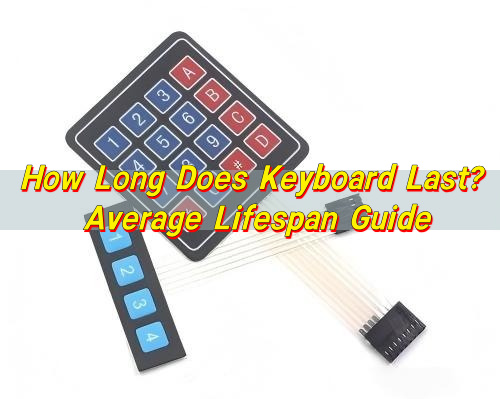
Understanding how long does keyboard last is not just about numbers—it’s about how design, usage habits, and environmental conditions come together over time. Whether you’re working with a membrane keyboard, a mechanical unit, or a custom membrane keyboard built for industrial use, lifespan varies widely based on real-world factors. How long do keyboards last? Most ...
Difference between Mechanical Keyboard and Membrane Keyboard
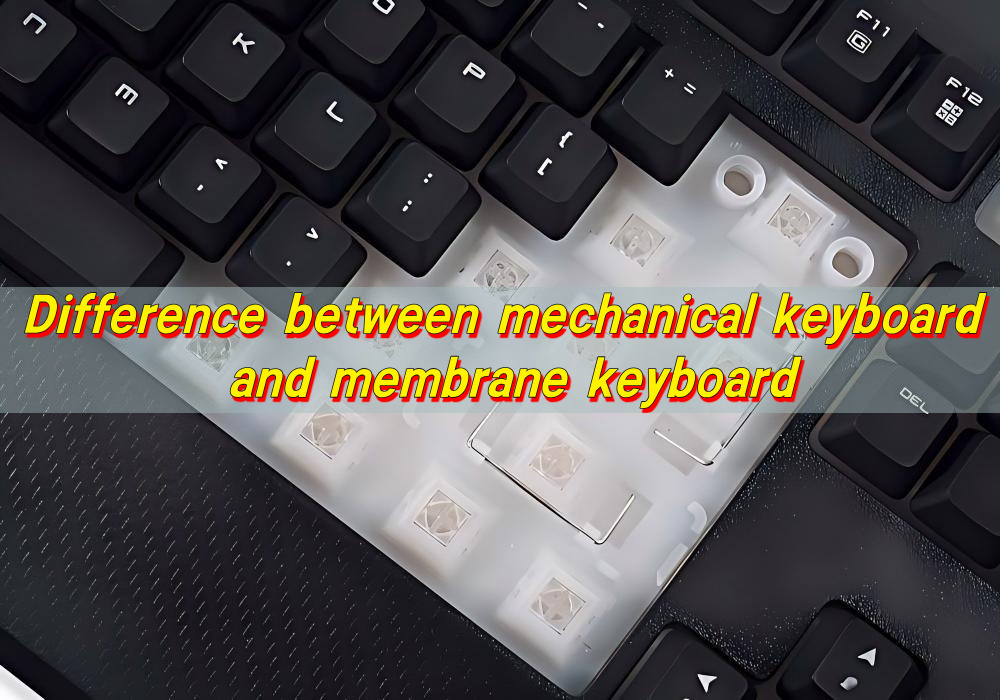
Choosing between different keyboard technologies is no longer a simple matter of preference. As user expectations continue to evolve—especially in gaming, office productivity, and industrial control systems—the underlying structure of a keyboard plays a decisive role in performance, longevity, and overall user satisfaction. Understanding the difference between mechanical keyboard and membrane keyboard allows buyers and ...
Top Advantages of Using an LGF Membrane Switch in Modern Electronics
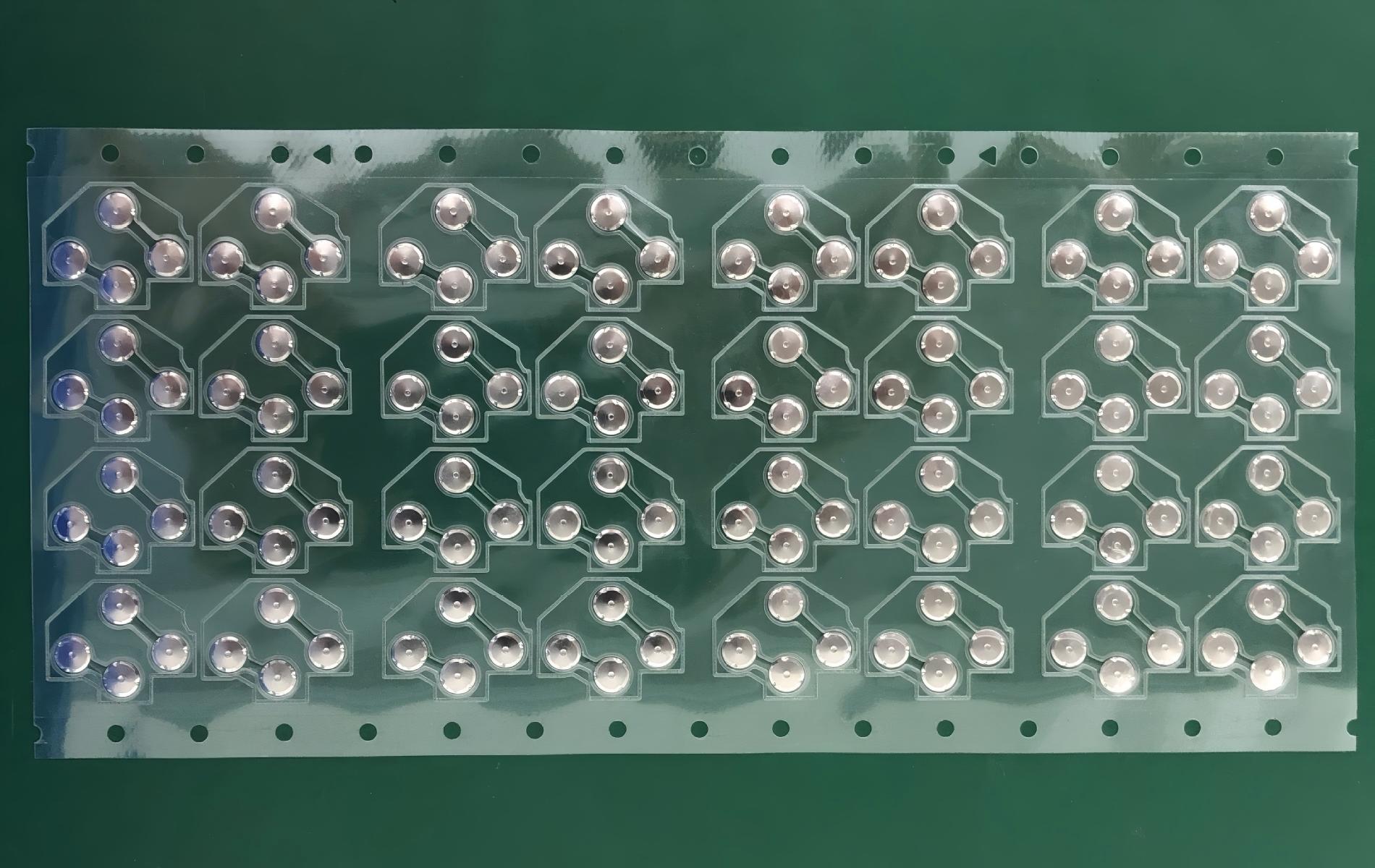
Electronics have advanced rapidly over the years. The buttons and controls people use every day have also quietly advanced. Today, thin panel-based controls are replacing old, bulky buttons in almost every industry, and for good reason. Even Lighting Across Every Key Older backlit panels always had that annoying problem of bright spots near the light ...

Contact us online


