

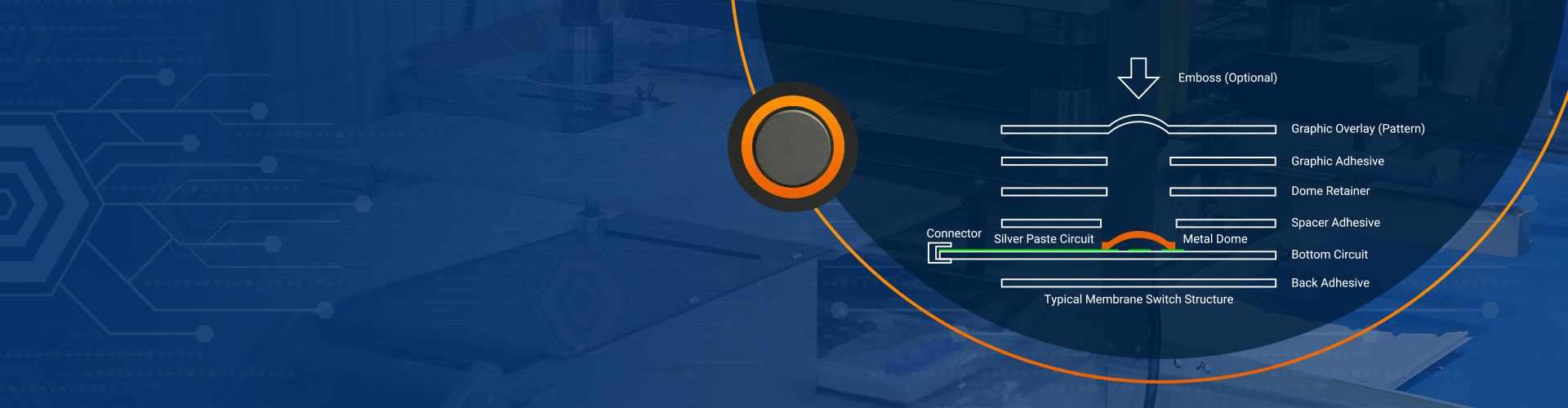
Step-by-Step Guide to Selecting the Right Membrane Switch for Your Product
Step-by-Step Guide to Selecting the Right Membrane Switch for Your Product


It is not easy to choose the appropriate interface for an electronic device with the number of various types of membrane switches. This is a basic, stepwise analysis to help product designers and manufacturers select the optimal choice.
Step 1: Determine your Application Requirements
Begin by making a list of locations where switches are used, including indoors, outdoors, on industrial machinery, medical devices, or in households. This assists in establishing durability, tactile feel, and environmental-resistance requirements.
Step 2: Know What Switch Structure You Require
A PCB membrane switch is a better choice when you need integrated circuitry, a longer lifespan, and higher levels of reliability in your design. A flexible film-based design may be sufficient for a simpler control panel.
Step 3: Tactile or Non-Tactile Feedback
When a tactile dome structure is required, a user can opt for a tactile dome shape. With no or low-profile devices, it is better to use non-tactile.
Step 4: Include Visual or Functional Enhancements
You may require backlighting, shielding, embossing, or colored overlays. A membrane switch keypad with a backlight LED feature is handy in low-light settings or consumer interfaces.
Step 5: Check Material and Seal Quality
Check whether waterproofing, chemical, and UV protection are needed. A PET layer made from high-quality material extends the switch’s lifespan.
Follow these 5 easy steps, and you will be good to go!
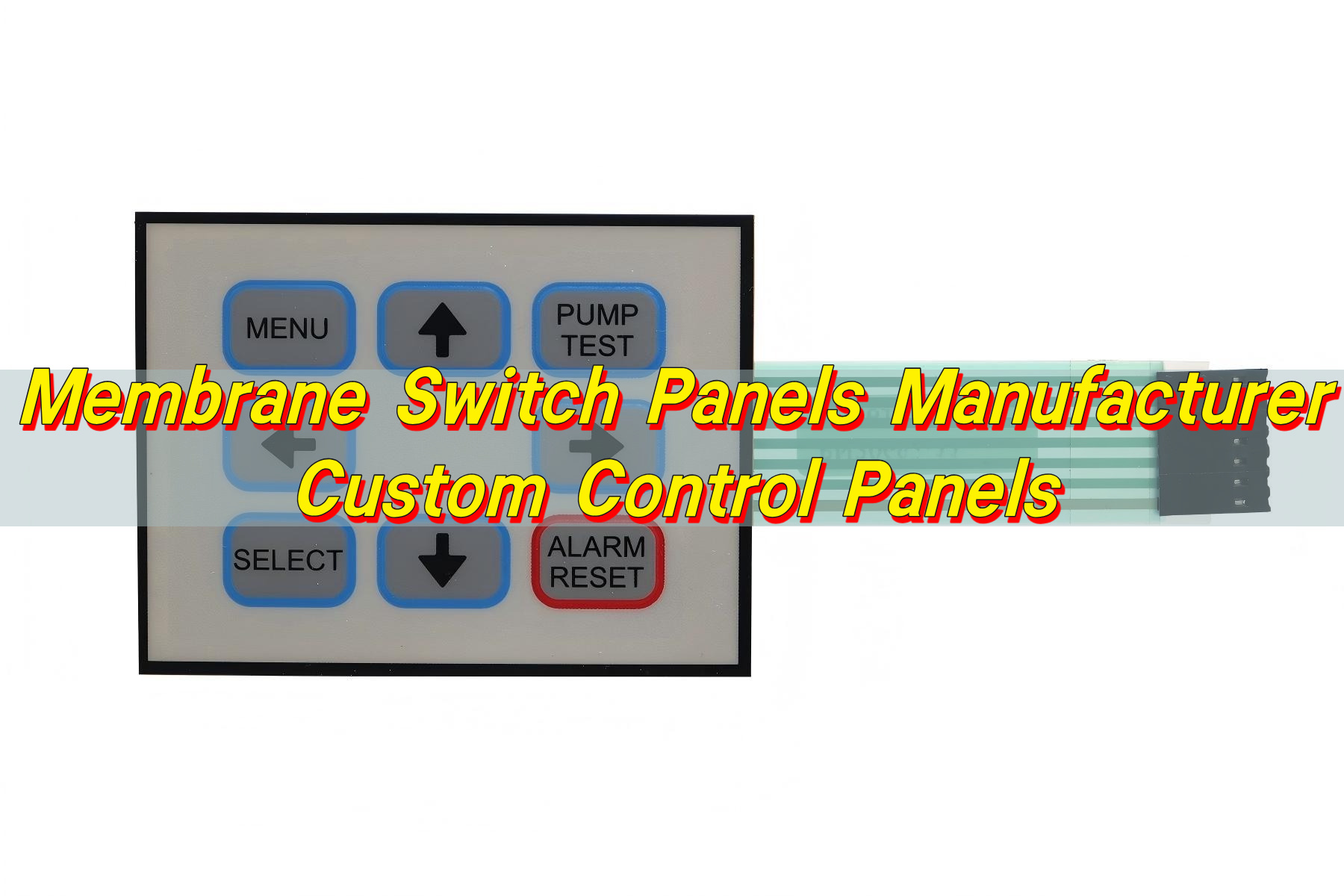
Membrane Switch Panels Manufacturer | Custom Control Panels
Membrane switch panels sit at the core of many modern control interfaces, from medical devices to industrial equipment. When businesses look for a reliable membrane switch panels manufacturer, they are not just buying a product—they are choosing a long-term partner that shapes usability, durability, and overall product performance. What is a membrane panel? A membrane ...

Ways in Which a Rubber Membrane Switch Contributes To the Quality of an Appliance
The control panels through which you operate an appliance or machines contribute to the overall device quality. The rubber membrane switch variety is a popular option for modern appliances. These switches upgrade the overall electronic appliance in several ways. Enjoy perfect and smooth controls The membrane keypad with LED enhances the appliance functionality by many ...
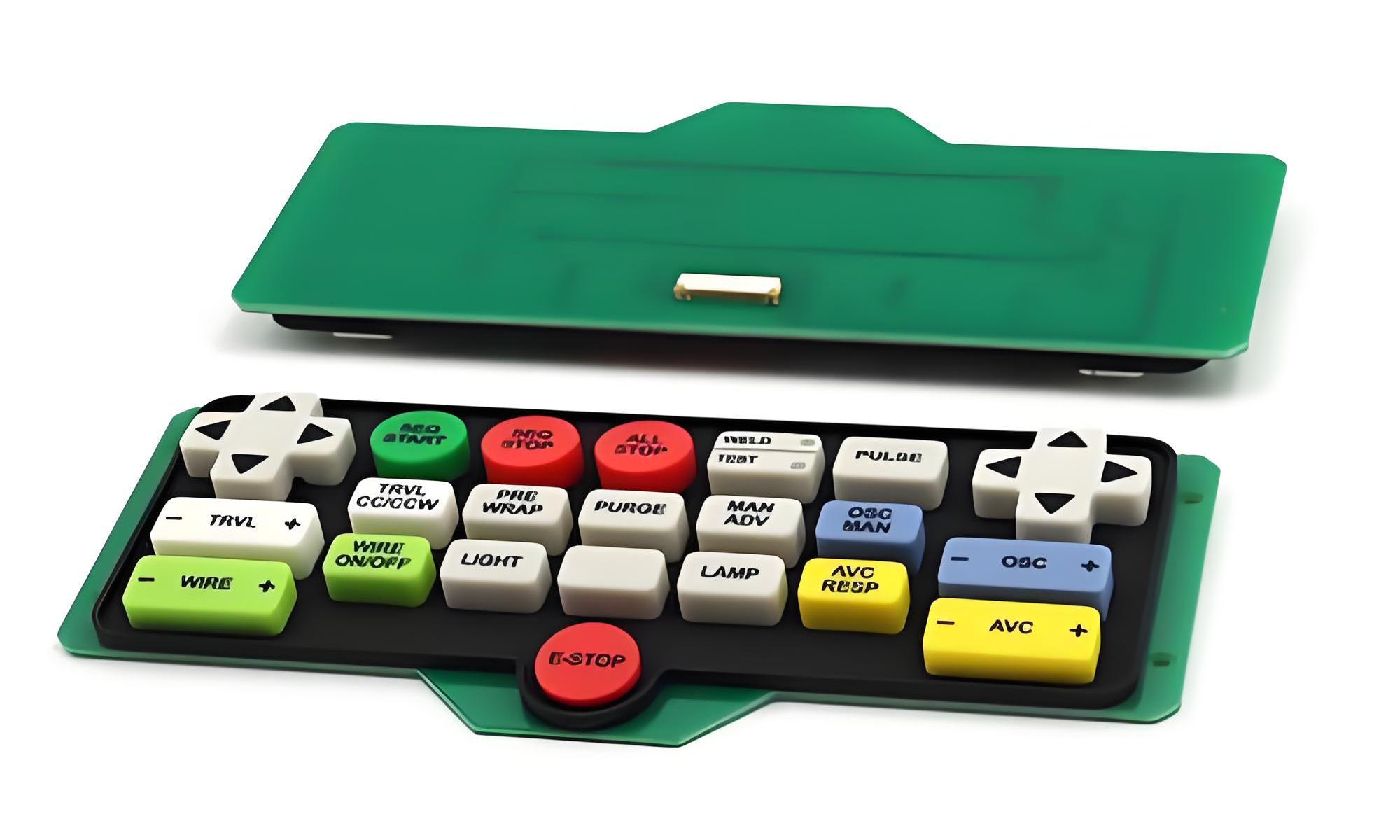
Buy Your Tactile Membrane Switch Prudently For Maximum Value
Appliance and electronic device manufacturers must procure vital spare parts and device components and assemble them for final production. A tactile membrane switch is a pertinent part of modern gadgets. As an electronic appliance or machine producer, you must procure these switches. Balance quality and cost Two aspects that you must balance while buying these ...

Contact us online


