

Smart Device Interface Operating System-Membrane Switch
Smart Device Interface Operating System-Membrane Switch


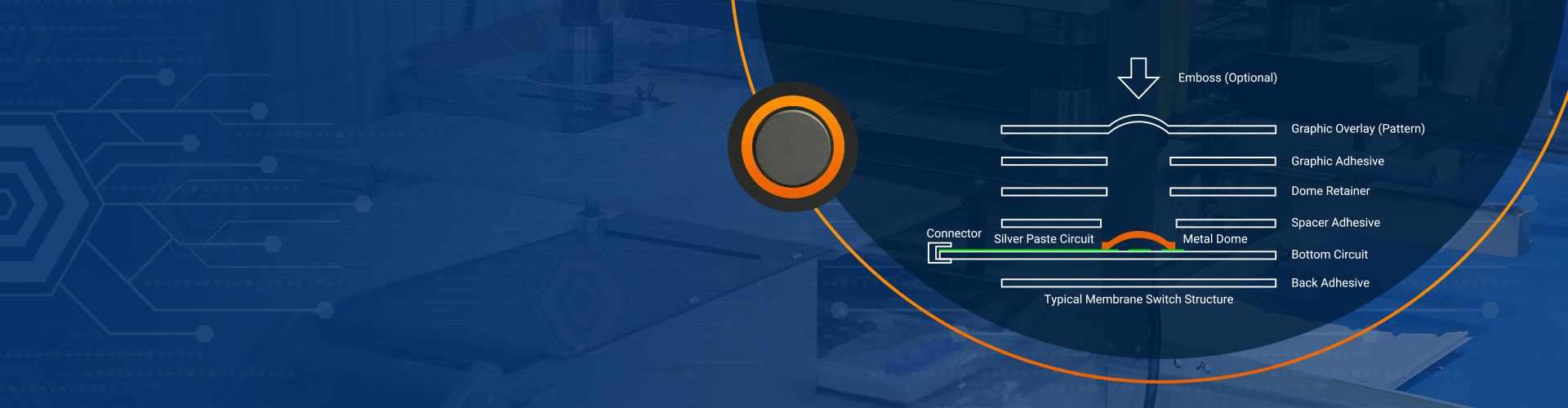
With the needs of the market, the design of membrane switches has become more and more user-friendly. Nowadays, membrane switches are commonly used in intelligent consumer electronics products, general durable household appliances and even industrial machinery applications. The typical structure of a membrane switch is a multi-layer structure, planar self-locking key switch composed of a certain elastic insulating material and a conductive material layer.
Traditional membrane switch manufacturing process
The manufacturing process of membrane switches mostly adopts the screen printing method. According to the pre-designed contacts and circuits, the conductive printing material is screen-printed on the flexible polyester (PET) film, and then the screen-printed circuit film and screen-printed It is composed of flexible substrate, PCB board or other panel materials. Compared with traditional mechanical switches, membrane switches have the advantages of simple structure, beautiful appearance, excellent environmental resistance and long service life. At the same time, due to the unique structural form of the membrane switch, it is more conducive to the development of electronic machines in the direction of being light, thin, short, small and highly intelligent.
Function and application scope of membrane switch
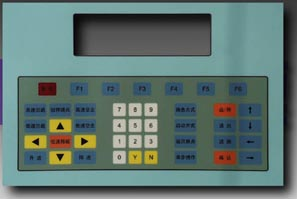
The membrane switch is neither a single new panel nor a single switching element, but a comprehensive electronic device that combines sensors and switching elements. It can be installed on the panel of the entire machine and used to perform mechanical functional operations; it can be used as an exterior decoration or simply as a switch button. With the core of the membrane switch sensor, regardless of the base material, the product can achieve many different functions. Nowadays, it can be seen in household appliances, 3C electronics, automobile control and other fields.
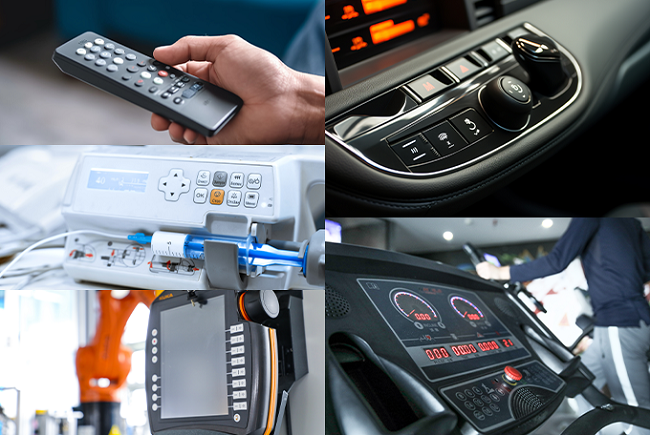
As an electronic component, membrane switches are used in various fields such as industry, agriculture, national defense, scientific research, medical care, office automation, household appliances, and children’s toys. In particular, the popularity of the 3C consumer electronics market is driving the continuous development of membrane switches in the direction of miniaturization, intelligence and multi-function. Membrane switches are used in some electronic products as shown below:
Why choose membrane switch?
•Flexible design: Membrane switches can be customized in shape, color and pattern according to product requirements, perfectly integrating into various design styles.
•Strong durability: Excellent environmental adaptability and long service life ensure stable operation under various conditions.
•Saving space: The thin and light characteristics comply with the trend of miniaturization of modern electronic equipment and provide more possibilities for product design.
•Multi-function integration: Not only switches, but also functions such as displays and indicators can be integrated to achieve a more complex interactive experience.
•Intelligent application: adapt to the rapid development of intelligent equipment and support high-precision and rapid response control requirements.
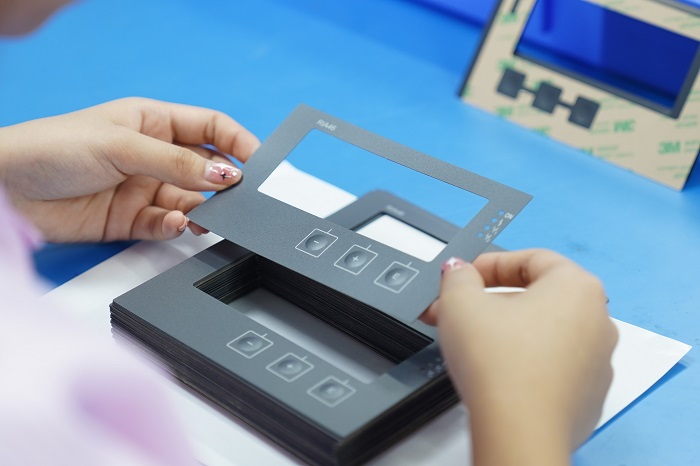
In today’s pursuit of ultimate user experience and technological innovation, membrane switches are not only an indispensable component of electronic equipment, but also the key to improving product competitiveness. Whether you are an electronic product designer or a manufacturer looking for efficient solutions, membrane switches will be your ideal choice, leading your products to a smarter and more humane future. Explore the infinite possibilities of membrane switches now, let your products stand out in the fierce market competition, and touch the future, starting now.

How Long Does Keyboard Last? Average Lifespan Guide
Understanding how long does keyboard last is not just about numbers—it’s about how design, usage habits, and environmental conditions come together over time. Whether you’re working with a membrane keyboard, a mechanical unit, or a custom membrane keyboard built for industrial use, lifespan varies widely based on real-world factors. How long do keyboards last? Most ...
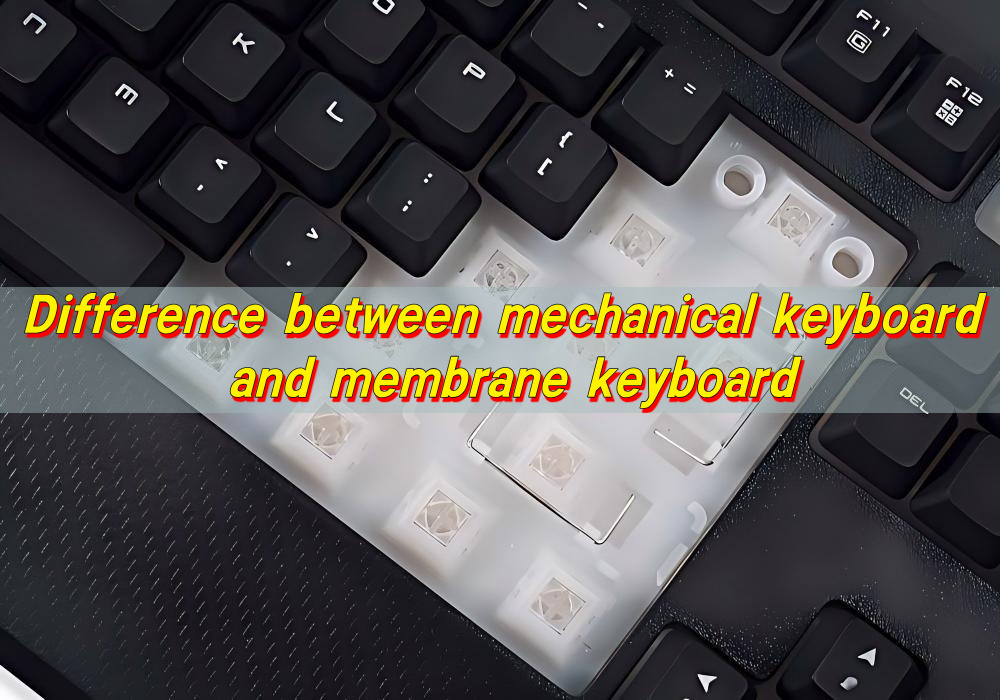
Difference between Mechanical Keyboard and Membrane Keyboard
Choosing between different keyboard technologies is no longer a simple matter of preference. As user expectations continue to evolve—especially in gaming, office productivity, and industrial control systems—the underlying structure of a keyboard plays a decisive role in performance, longevity, and overall user satisfaction. Understanding the difference between mechanical keyboard and membrane keyboard allows buyers and ...
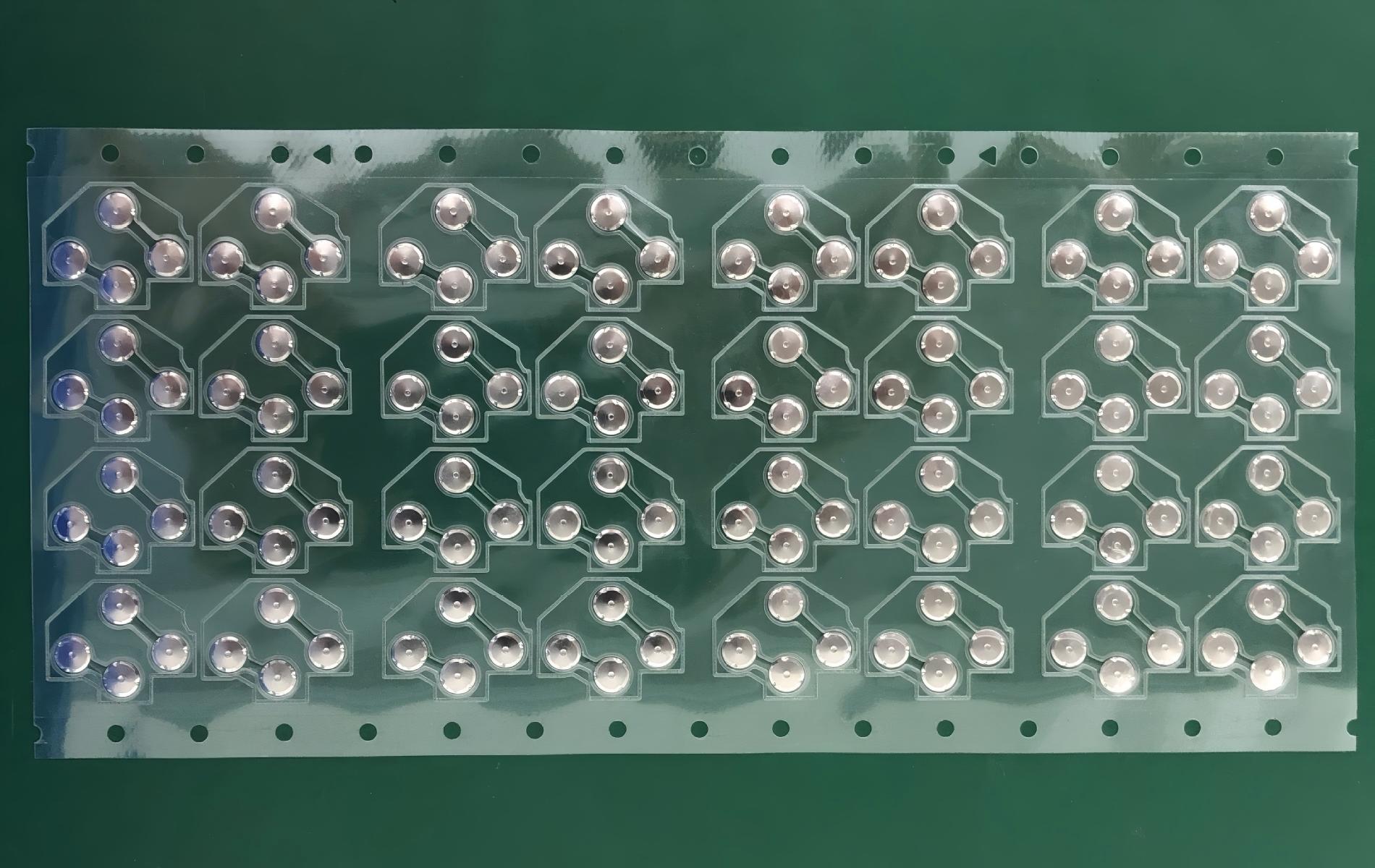
Top Advantages of Using an LGF Membrane Switch in Modern Electronics
Electronics have advanced rapidly over the years. The buttons and controls people use every day have also quietly advanced. Today, thin panel-based controls are replacing old, bulky buttons in almost every industry, and for good reason. Even Lighting Across Every Key Older backlit panels always had that annoying problem of bright spots near the light ...

Contact us online


