

Practical Comparison between Mechanical Buttons and Membrane-Based Control Systems
Practical Comparison between Mechanical Buttons and Membrane-Based Control Systems


Modern electronic devices are heavily dependent on the user input system, and the selection of
an appropriate control interface has an impact on durability, usability, and maintenance.
Understanding the disparity between the old mechanical type and membrane-based controls
will help designers and purchasers make decisions based on the information.
How Mechanical Buttons Work
Mechanical buttons use moving parts to register when you push them. Each press activates the
switch underneath. Such interfaces are typically used with older equipment and consumer
electronics, where a strong response of clicking is desired. Because they move a lot, they can
wear out, oxidize, and eventually break down.
How Membranes Work
switch underneath. Such interfaces are typically used with older equipment and consumer
electronics, where a strong response of clicking is desired. Because they move a lot, they can
wear out, oxidize, and eventually break down.
How Membranes Work
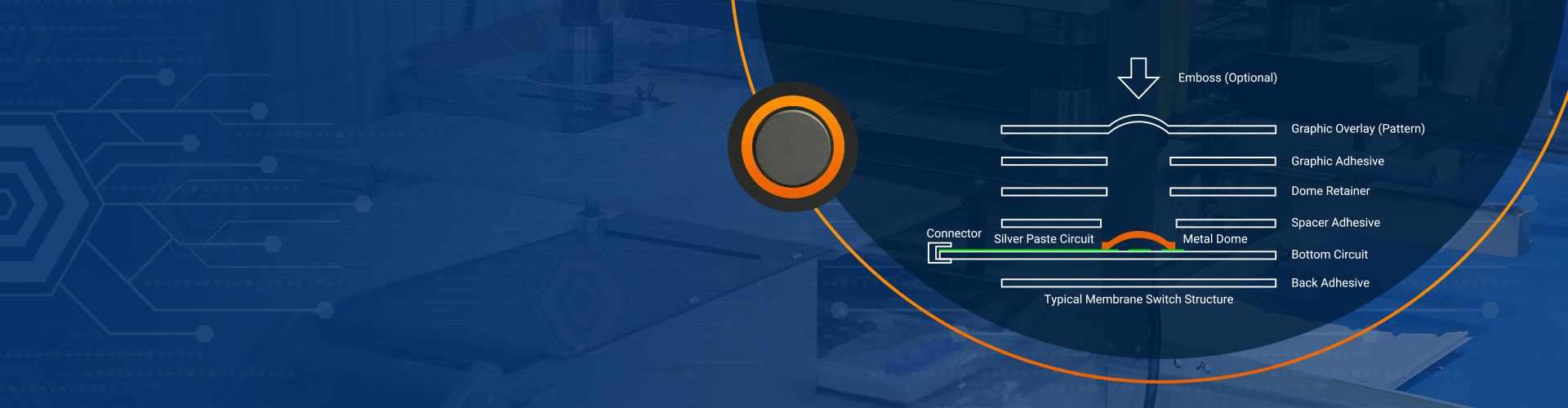
Membrane systems have circuits in layers. A membrane switch keypad utilizes conductive
traces in closed layers so that there are no moving components exposed to the external
environment. Such a construction makes it resistant to dust, moisture, and contaminants,
making it suitable in harsh environments.
Durability and Maintenance Factors
Mechanical buttons can wear out, so they need cleaning or replacing frequently. But a
membrane touch control panel is easy to clean due to itssmooth, sealed surface. This helps
reduce maintenance costs.
Conclusion: Selecting the Right Interface for Your Application
The decision will vary with the conditions of usage, lifespan expectations, and hygiene needs.
Using mechanical buttons can be appropriate in low-cost or low-usage products. But if you
need something tough, sealed tight, and always working right, then go with membrane
controls.

Transforming Human-Machine Interfaces with Innovative Membrane Switch Solutions
In the fast-evolving world of electronic controls and user interfaces, Shenzhen Yu An Electronics Co., Ltd stands out as a leader in membrane switch design and manufacturing. Founded in 2006 in Shenzhen, China, Yu An Electronics has grown into a trusted provider of high-quality membrane switches and related products that serve diverse industries—from medical and ...

Know the Difference between Tactile and Non-Tactile Membrane Switching
When selecting the appropriate interface for a product, it can be wise to understand the differences between tactile and non-tactile membrane switches so that the engineer and the purchaser make a better decision. They are both very common in medical equipment, domestic appliances, and industrial equipment, though they do not present the same user experience. ...

Step-by-Step Guide to Selecting the Right Membrane Switch for Your Product
It is not easy to choose the appropriate interface for an electronic device with the number of various types of membrane switches. This is a basic, stepwise analysis to help product designers and manufacturers select the optimal choice. Step 1: Determine your Application Requirements Begin by making a list of locations where switches are used, ...

Contact us online


