


Why use a membrane switch with LED? Membrane switch design
Why use a membrane switch with LED? Membrane switch design


Why use a membrane switch with LED? The membrane switch with LED not only provides tactile feedback, but also intuitively displays the operating status of the device through the LED light to enhance the operating experience. It has the advantages of durability, waterproofness, beauty and quick response, and is widely used in home appliances, automobiles, medical and industrial fields, especially in low-light environments, bringing users a more convenient, efficient and visually friendly operation method.
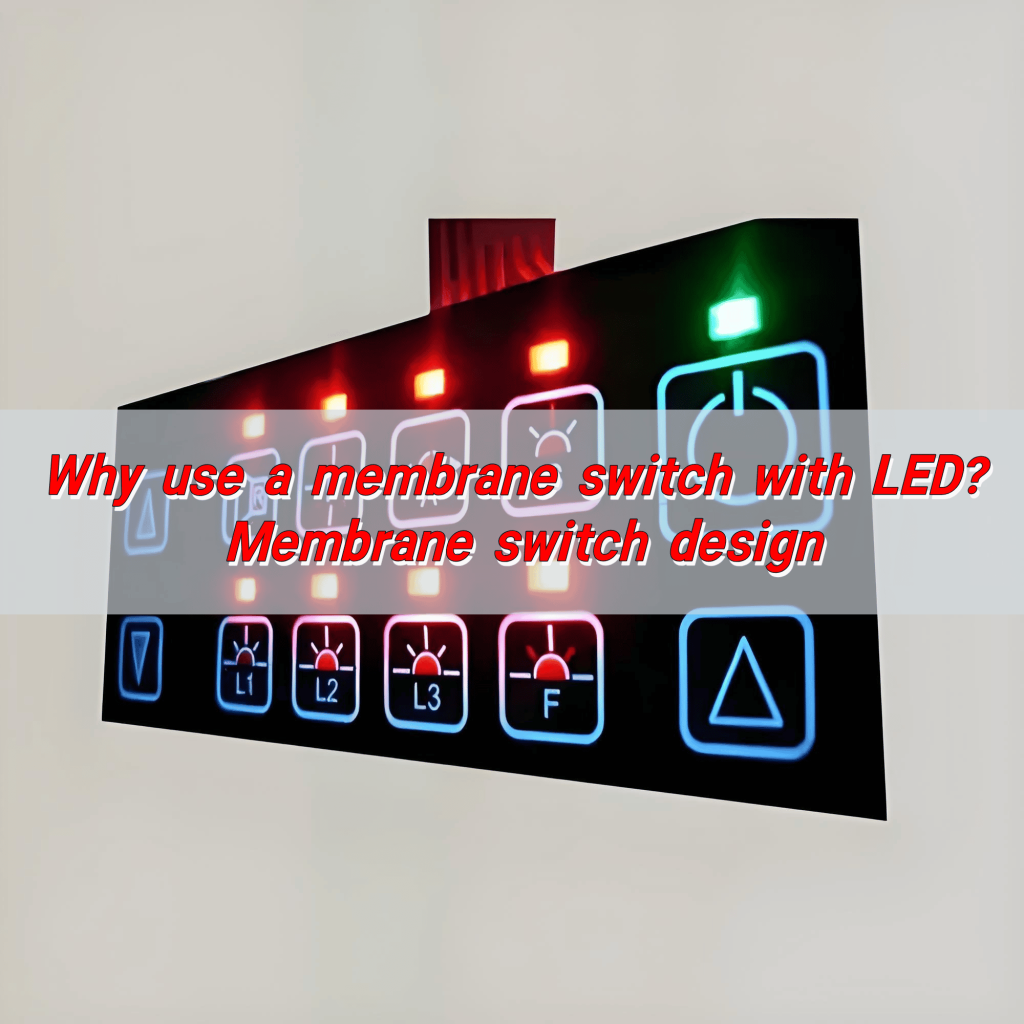
What is a membrane switch?
Membrane switch is a pressure-sensitive interface used to control electronic devices. It consists of multiple layers, including a graphic overlay, spacer, and circuit layers.
Unlike traditional mechanical switches, membrane switches have no moving parts. This makes them more reliable, cost-effective, and resistant to wear.
These switches are widely used in medical devices, industrial equipment, consumer electronics, and more. They provide a smooth, easy-to-clean surface, making them ideal for harsh environments.
How to design a membrane switch with LED backlighting?
Designing a membrane switch and panel with LED backlighting requires careful planning. The goal is to achieve even illumination without compromising functionality.
Key Factors to Consider:
- LED Placement: The positioning of LEDs determines brightness and uniformity. Proper spacing ensures even light distribution.
- Light Guide Layer: A light guide panel helps spread light efficiently. It prevents hotspots and enhances brightness.
- Graphic Overlay: The overlay material should diffuse light well. Translucent inks or windows improve visibility.
- Power Consumption: LEDs must be energy-efficient. Proper voltage regulation extends lifespan.
- Color & Brightness: Different LED colors create distinct visual effects. Adjustable brightness improves adaptability.
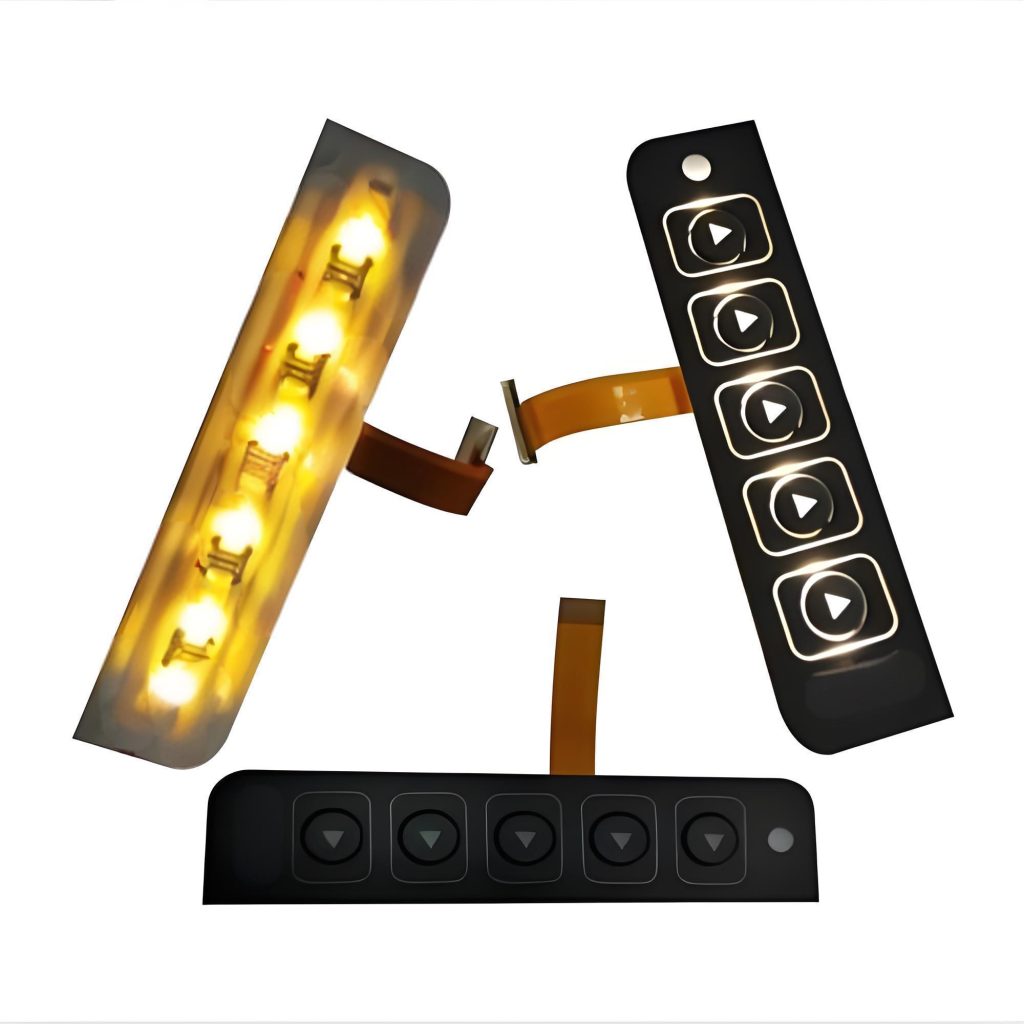
A well-designed backlit membrane switch provides a clear and intuitive user experience. It enhances visibility in low-light environments, improving accuracy and efficiency.
How to install LED light in membrane switch?
Integrating LEDs into a membrane switch requires precision. The goal is to embed lighting without affecting switch performance.
- Choose the Right LED Type: Surface-mounted LEDs (SMD) are ideal. They are compact, efficient, and produce bright illumination.
- Determine Placement: LEDs are placed on a flexible circuit layer.
- Use a Light Guide Film: This layer directs light evenly across the panel. It prevents dark spots and improves brightness.
- Connect to Power Source: A membrane switch connector links the circuit to a power supply.
- Seal and Test: Once installed, the switch is sealed for protection. Testing ensures uniform lighting and proper function.
With the right installation method, LEDs enhance usability without compromising durability. A well-lit interface improves efficiency, making operations smoother and faster.
Why choose a backlit membrane switch?
Backlit membrane switch and panel provides more than just illumination. It offers functional and aesthetic advantages that enhance usability.
Key Benefits:
- Better Visibility: LED backlighting improves readability in dark or bright environments.
- Enhanced User Experience: Clear labels and illuminated keys reduce errors.
- Energy Efficiency: LEDs consume minimal power, making them cost-effective.
- Customizable Colors: Different LED colors create eye-catching effects.
- Long-Lasting Performance: LEDs have a long lifespan, reducing maintenance needs.
- Modern Aesthetic: A sleek, illuminated interface adds a high-tech appeal.
Industries that require accuracy and efficiency benefit the most. Medical devices, industrial controls, and consumer electronics often rely on backlit designs. The combination of durability, clarity, and energy savings makes them a superior choice.
What are the disadvantages of membrane switch with LED?
While membrane switch types with LEDs offer many advantages, there are a few drawbacks.
- Higher Initial Cost: Adding LEDs increases production costs.
- Complex Manufacturing: Precise engineering is required for even lighting.
- Power Dependency: LEDs require a power source.
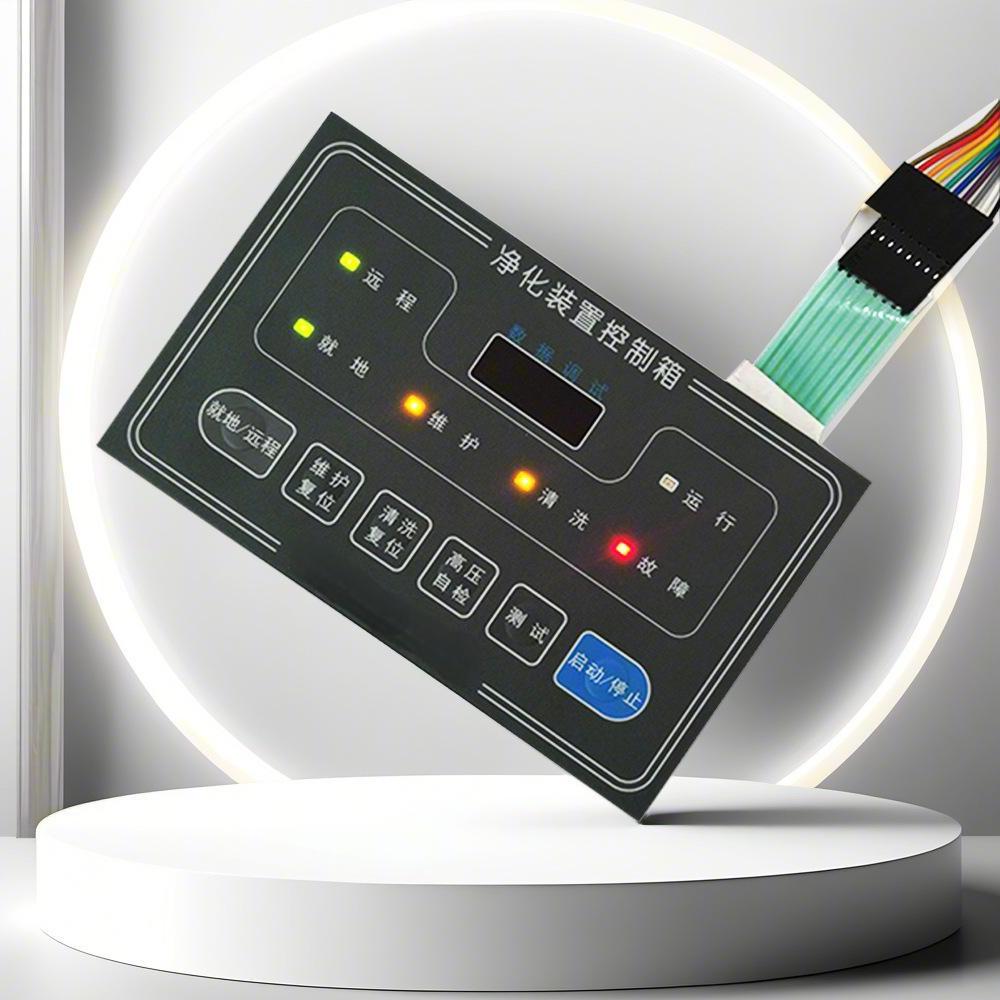
Despite these minor drawbacks, the benefits far outweigh the challenges. With the right design, LED membrane switches deliver exceptional performance and value.
How does a membrane switch connector work?
A membrane switch connector plays a crucial role in functionality. It links the switch to the circuit board, ensuring seamless electrical connections.
How It Works:
The connector attaches to the flexible tail of the membrane switch. It transmits signals when a key is pressed. It connects to a printed circuit board (PCB) or control module. A secure connection ensures fast and accurate response times.
Common connector types include ZIF (Zero Insertion Force) and FFC (Flat Flexible Cable). The choice depends on application needs. A reliable connector enhances durability and performance.
Where are LED membrane switches used?
LED membrane switches are found in various industries. Their ability to provide illuminated, responsive controls makes them indispensable.
Popular Applications:
- Medical Equipment: Ensures visibility in dimly lit environments. Used in monitors, diagnostic tools, and life-saving devices.
- Industrial Control Panels: Used in automation systems and machinery controls.
- Consumer Electronics: Found in appliances, remote controls, and smart devices.
- Automotive Interfaces: Used in dashboard controls, keypads, and infotainment systems.
- Military & Aerospace: Used in communication devices and navigation panels.
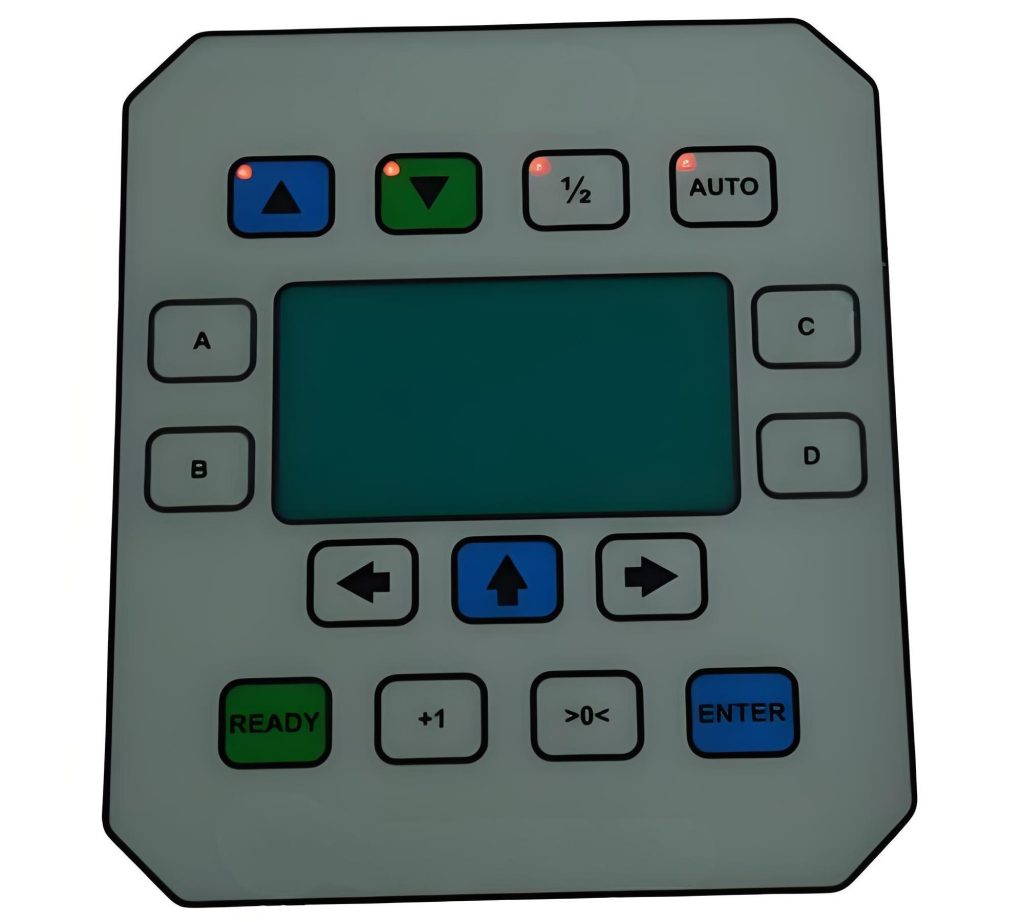
With their versatility and efficiency, LED membrane switches continue to grow in popularity. They offer reliability, sleek designs, and enhanced user experiences.
Conclusion:
Membrane switch with LED is a game-changer in user interface technology. It combines durability, efficiency, and modern aesthetics. With better visibility, energy efficiency, and long-lasting performance, it is an ideal choice for many industries. For expert guidance on designing LED membrane switches, reach out to sales@best-membraneswitch.com

How Long Does Keyboard Last? Average Lifespan Guide
Understanding how long does keyboard last is not just about numbers—it’s about how design, usage habits, and environmental conditions come together over time. Whether you’re working with a membrane keyboard, a mechanical unit, or a custom membrane keyboard built for industrial use, lifespan varies widely based on real-world factors. How long do keyboards last? Most ...

Difference between Mechanical Keyboard and Membrane Keyboard
Choosing between different keyboard technologies is no longer a simple matter of preference. As user expectations continue to evolve—especially in gaming, office productivity, and industrial control systems—the underlying structure of a keyboard plays a decisive role in performance, longevity, and overall user satisfaction. Understanding the difference between mechanical keyboard and membrane keyboard allows buyers and ...
Top Advantages of Using an LGF Membrane Switch in Modern Electronics
Electronics have advanced rapidly over the years. The buttons and controls people use every day have also quietly advanced. Today, thin panel-based controls are replacing old, bulky buttons in almost every industry, and for good reason. Even Lighting Across Every Key Older backlit panels always had that annoying problem of bright spots near the light ...

Contact us online


